 English
 русский
 Español
 中文简体
中文简体
Article Directory
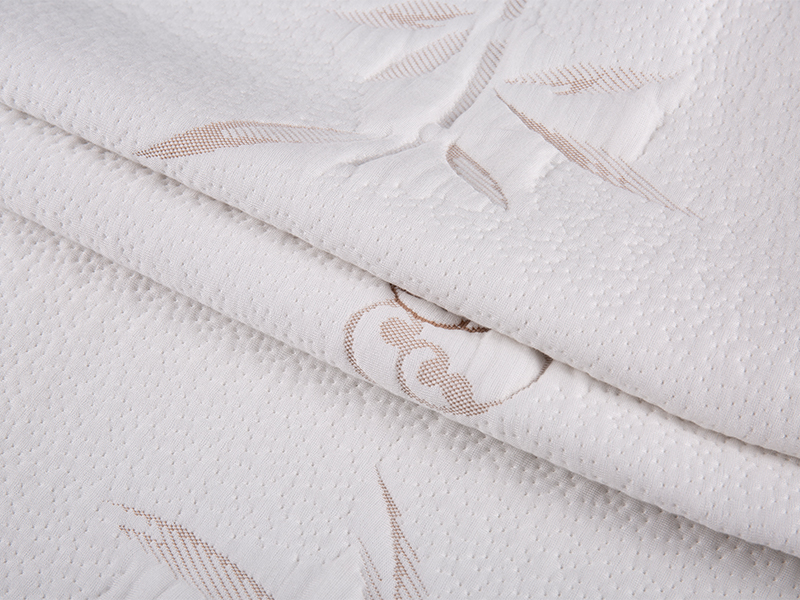
In the high-end bedding industry, the technical integrity of Cotton mattress fabric is the foundation of sleep quality and product longevity. For B2B procurement managers and manufacturers, ensuring that a bulk shipment adheres to strict specifications for air permeability and weight consistency is a significant challenge. Hangzhou Xiaoshan RongLi Clothing Co., Ltd., established in 1989, operates across 100,000 square meters with a focus on modern mattress textiles. As an ISO9001:2000 accredited "AAA enterprise," we integrate advanced weaving machinery from West Germany and Italy to produce high density woven cotton for mattress protectors and jacquard fabrics that meet German Oeko-Tex Standard 100 and EU REACH requirements. Understanding the engineering behind these fabrics is essential for global market success.
Verifying Air Permeability and Breathability Metrics
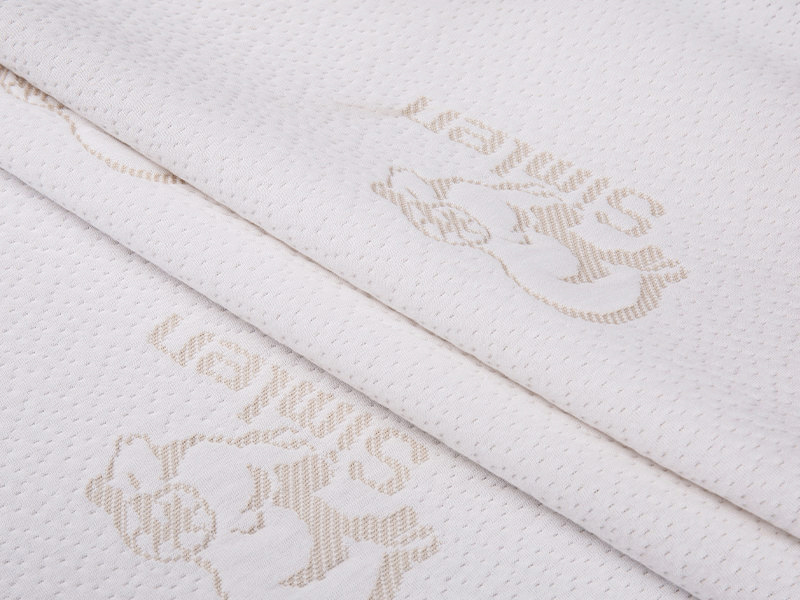
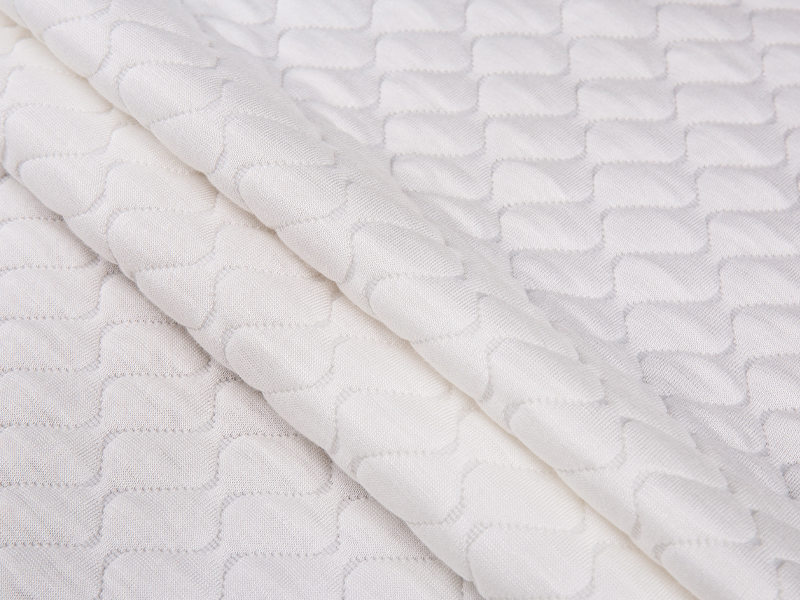
The breathability of Cotton mattress fabric is measured by its air permeability—the rate of airflow passing perpendicularly through a known area under a specific pressure differential. High-quality breathable jacquard cotton mattress ticking must facilitate heat dissipation to maintain a neutral microclimate. According to the 2024 updates to the ASTM D737 standard, professional testing requires a calibrated air pressure of 125 Pa. While synthetic blends might mimic the feel of cotton, pure cotton's porous cellulose structure provides superior moisture vapor transmission rates (MVTR), which is critical for hypoallergenic 100 percent cotton mattress covers aimed at the health-conscious market.
Source: ASTM International: Standard Test Method for Air Permeability of Textile Fabrics
Comparison: Natural Cotton vs. Synthetic Blends in Airflow
Natural cotton fibers possess a hollow core (lumen) that naturally facilitates airflow, whereas synthetic polyester fibers are often solid and rely on chemical finishes or specific knit patterns to achieve breathability.
| Material Property | 100% Natural Cotton | Polyester/Synthetic Blend |
| Moisture Absorption | High (Absorbs up to 27x its weight) | Low (Hydrophobic nature) |
| Static Generation | Low (Naturally anti-static) | High (Requires chemical treatment) |
| Thermal Conductivity | Excellent (Cool in summer, warm in winter) | Poor (Tends to trap body heat) |
Technical Protocols for GSM Stability and Weight Verification
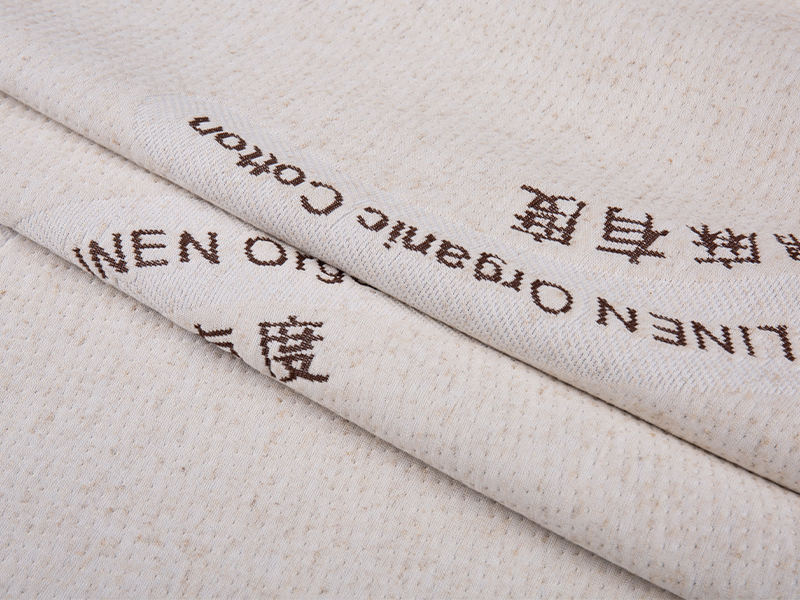
GSM (Grams per Square Meter) stability is the most accurate indicator of fabric density and durability. For bulk orders of wholesale organic cotton mattress fabric, a deviation of more than ±5% from the agreed specification can lead to structural failures during the mattress tufting process. Engineers use a circular GSM cutter and a high-precision electronic balance to verify weight across multiple rolls. In 2025, the International Organization for Standardization released updated guidelines under ISO 3801, emphasizing that moisture regain in cotton must be accounted for during weight testing, as cotton's weight fluctuates based on ambient humidity levels.
Source: ISO 3801: Textiles — Woven fabrics — Determination of mass per unit length and mass per unit area
R&D and Quality Control in Large-Scale Production
At RongLi, we utilize advanced weaving machinery to ensure durable cotton twill for mattress upholstery maintains consistent tension and yarn count. Our R&D group focuses on "Technology, innovation, honesty, and development," ensuring that every batch of jacquard or printed tatting cloth sold to Europe, America, or the Middle East maintains a uniform hand-feel and technical specification.
- Yarn Count Verification: Ensuring the thread density matches the GSM requirements for durability.
- Dimensional Stability: Testing for shrinkage under the ISO 6330 standard to ensure the fabric remains stable after washing or steam treatment.
- REACH Compliance: Verifying that no harmful chemicals are present that could compromise the breathability of the Cotton mattress fabric.
Comparison: Impact of Weave Patterns on GSM and Durability
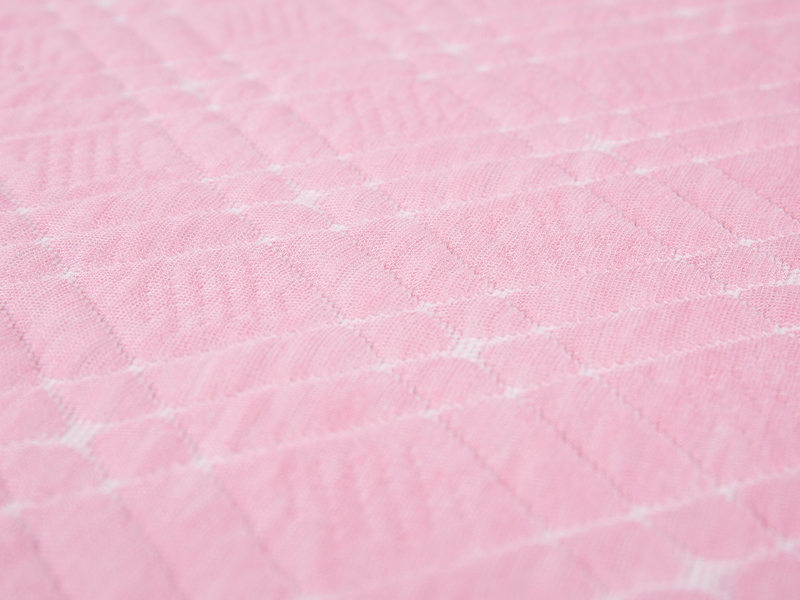
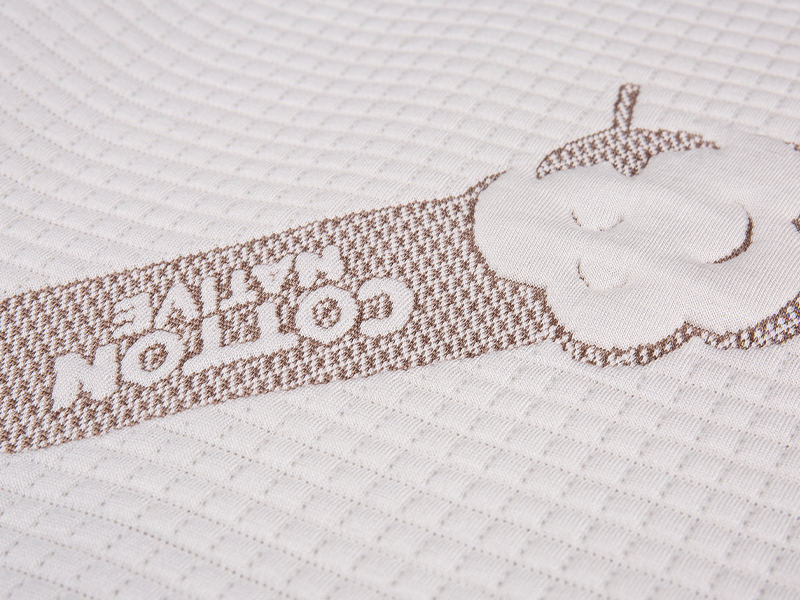
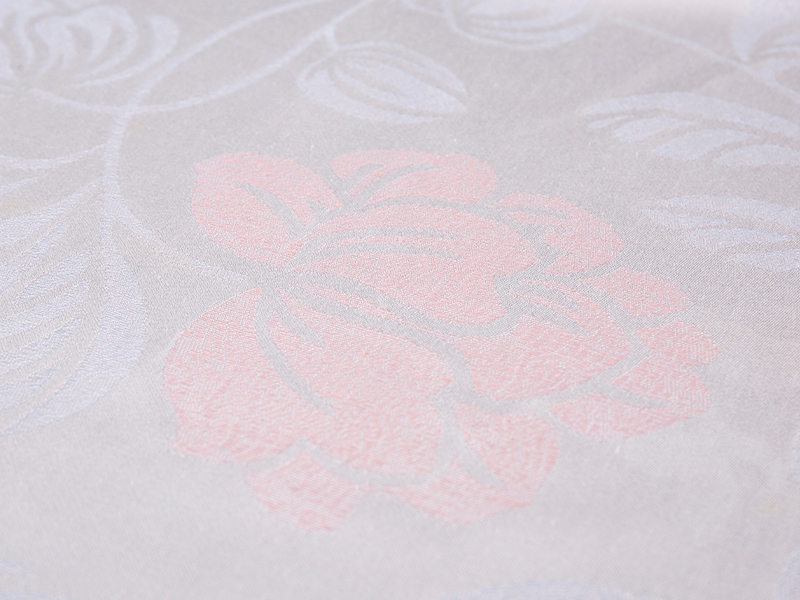
A jacquard weave offers higher aesthetic value and weight complexity compared to a standard thermal transfer printed material, which typically focuses on surface design rather than structural thickness.
| Fabric Type | Structural Stability | Typical GSM Range |
| Jacquard Woven | Superior (Interlocked yarn structure) | 180 - 450 GSM |
| Printed Tatting Cloth | High (Reliable base weave) | 120 - 250 GSM |
| Thermal Transfer Printed | Moderate (Focused on design) | 90 - 180 GSM |
Conclusion: Ensuring Excellence in Global Distribution
Verifying Cotton mattress fabric for bulk orders requires a blend of traditional expertise and modern laboratory testing. By focusing on GSM stability and air permeability, procurement professionals can guarantee a product that stands the test of time. Hangzhou Xiaoshan RongLi Clothing Co., Ltd. continues to uphold the highest standards of production and innovation, providing global markets with reliable, high-performance mattress textiles that bridge the gap between fashion and functionality.
Frequently Asked Questions (FAQ)
- How does humidity affect the GSM of Cotton mattress fabric during inspection? Since cotton is hygroscopic, it absorbs moisture from the air. Testing must be performed in a conditioned environment (typically 20°C and 65% humidity) to ensure accurate weight measurements.
- Why is breathable jacquard cotton mattress ticking preferred for luxury mattresses? Jacquard weaves create a multidimensional texture that increases surface area for airflow while maintaining a high GSM for a premium, heavy-duty feel.
- Can high density woven cotton for mattress protectors be made waterproof without losing breathability? Yes, through the application of advanced TPU membranes that allow vapor molecules to escape while preventing liquid molecules from passing through.
- What is the typical lead time for wholesale organic cotton mattress fabric at RongLi? Depending on the complexity of the design and machinery availability, lead times generally range from 3 to 5 weeks for large-scale production.
- Does Cotton mattress fabric meet international fire safety standards? Many of our fabrics can be treated with fire-retardant finishes that comply with British (BS7177) and American (CFR 1633) safety regulations without compromising skin comfort.