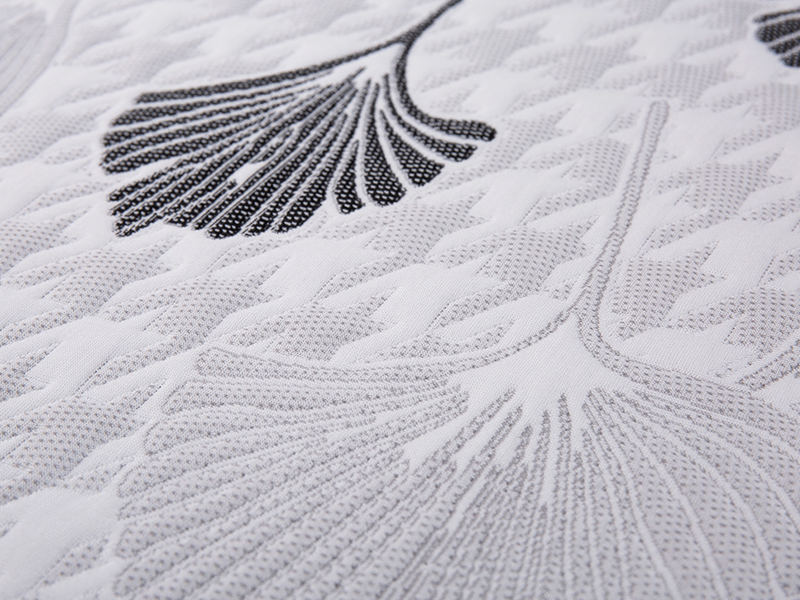
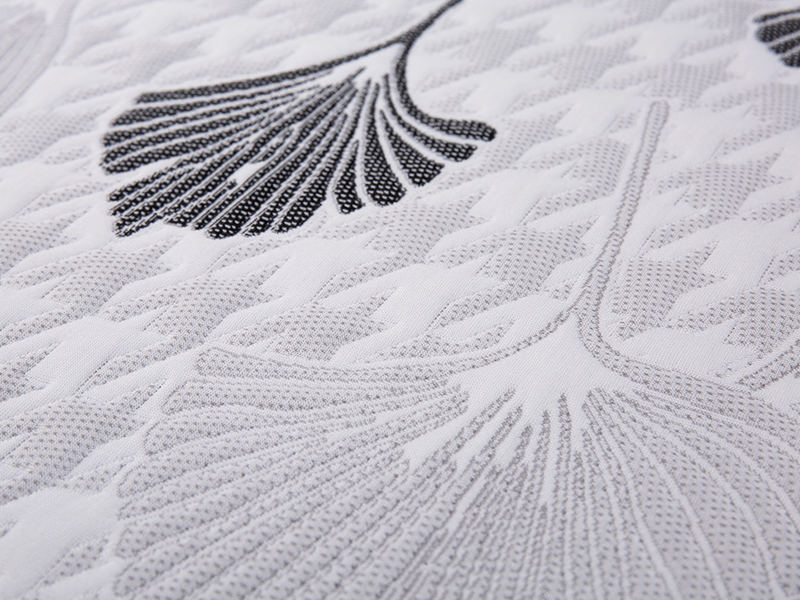
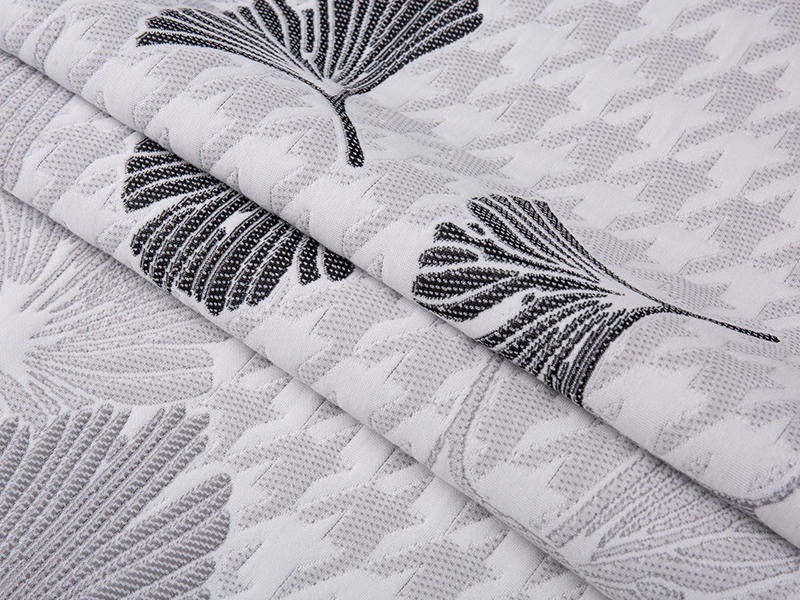
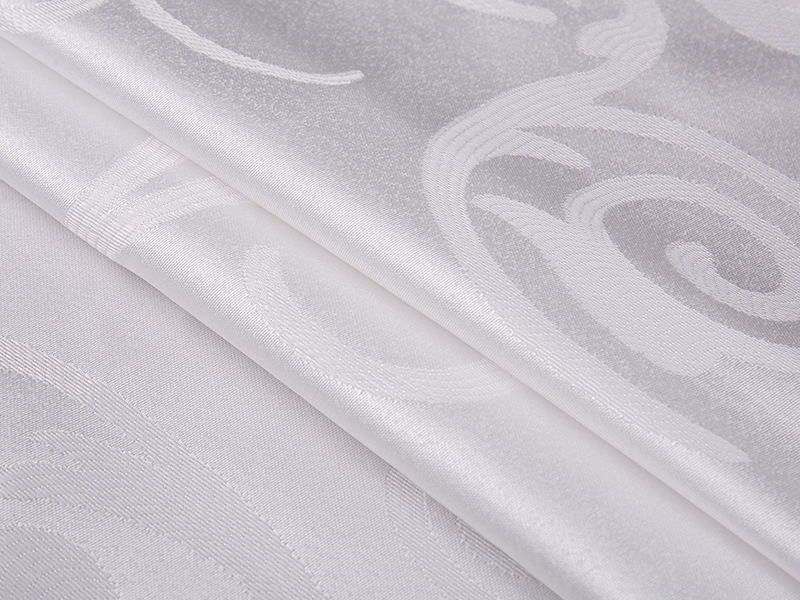
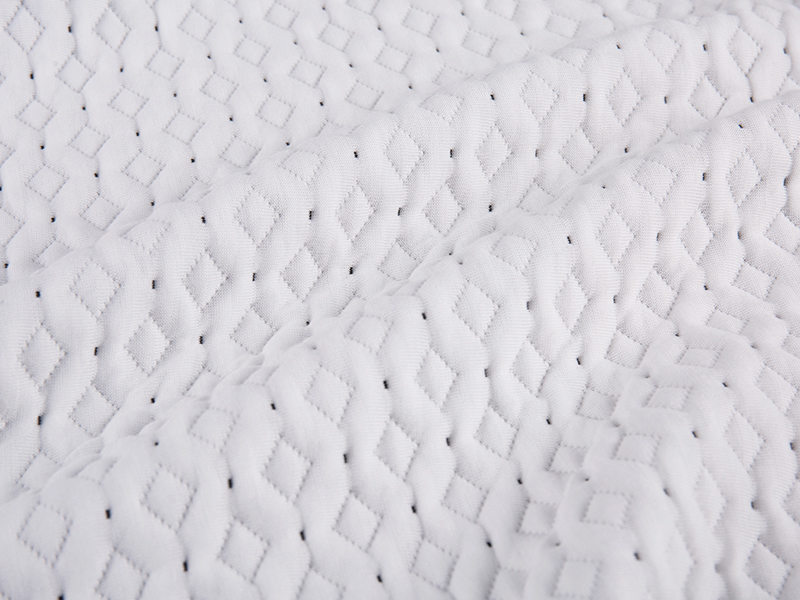
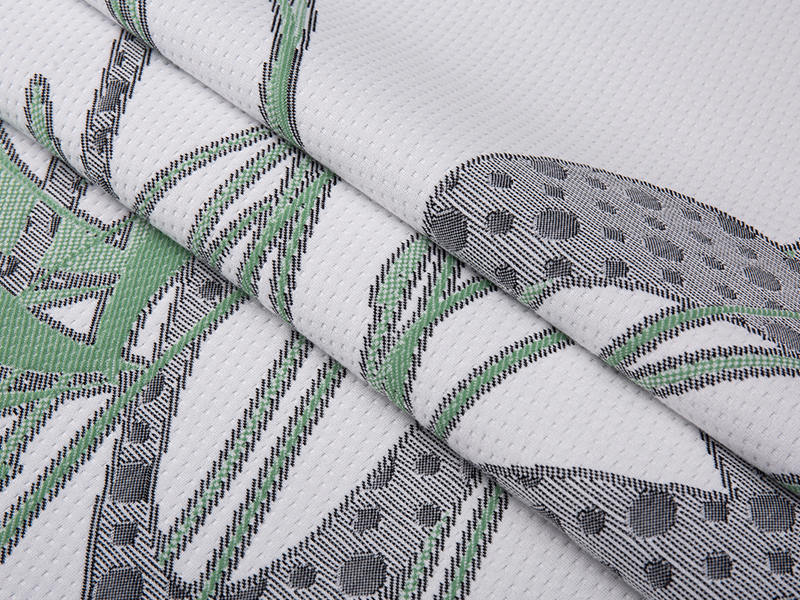
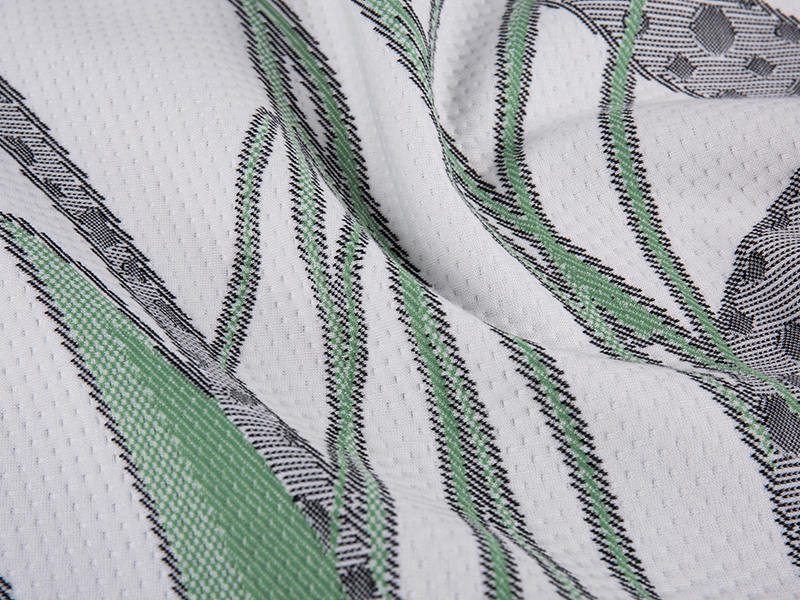
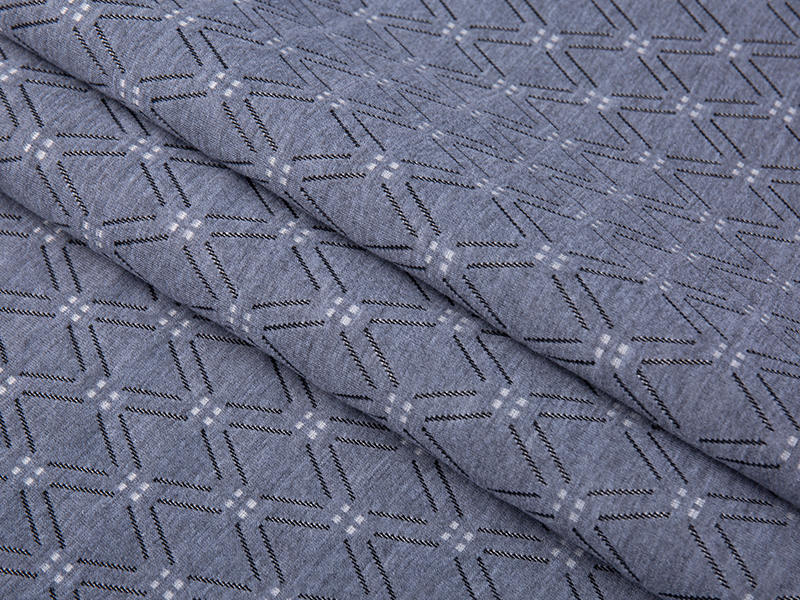
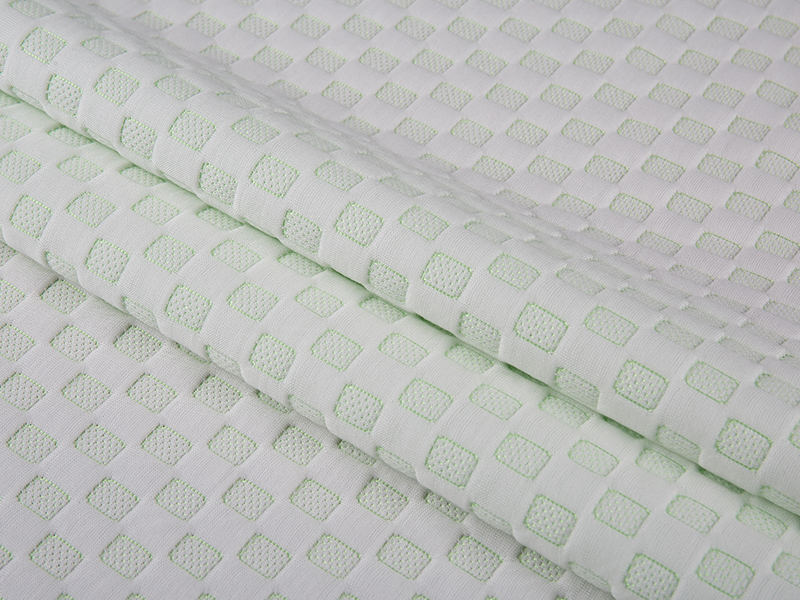
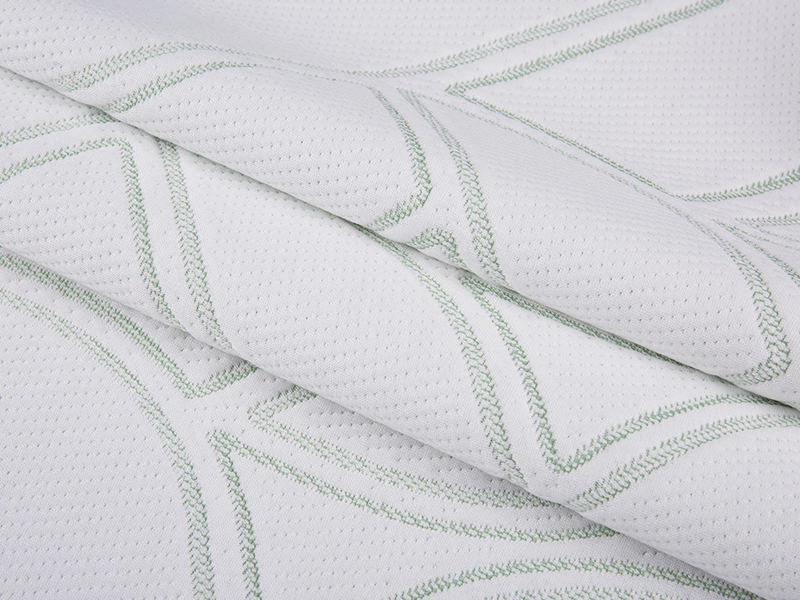
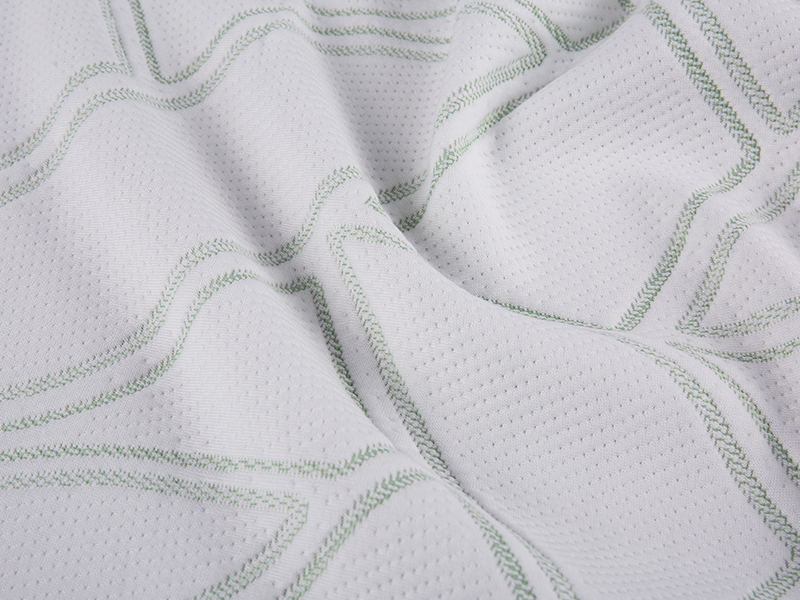
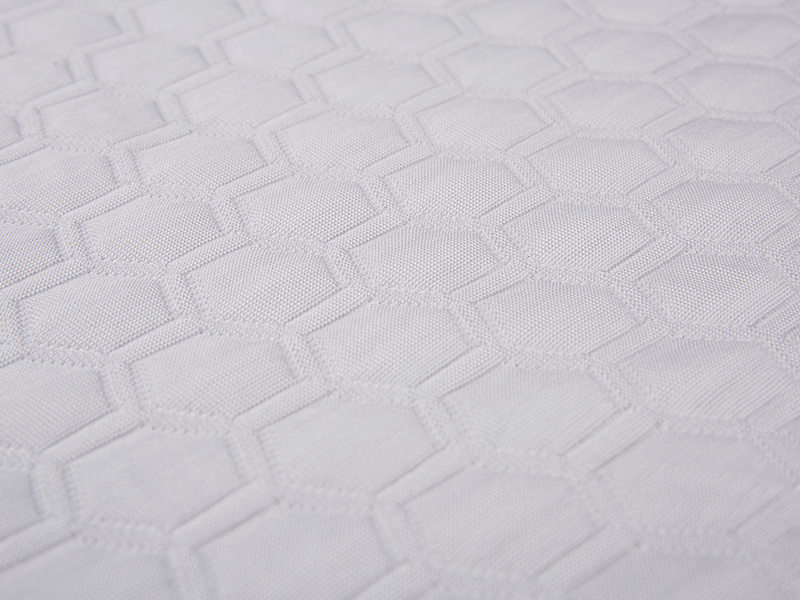
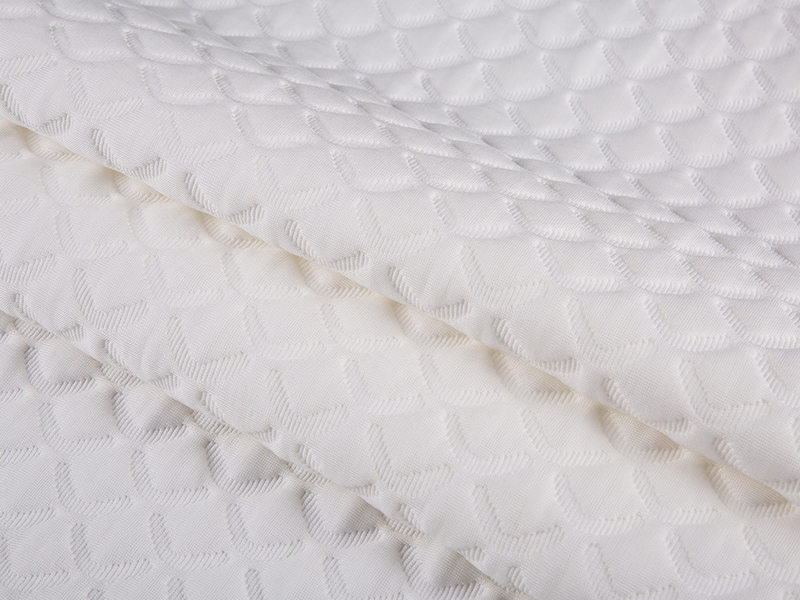
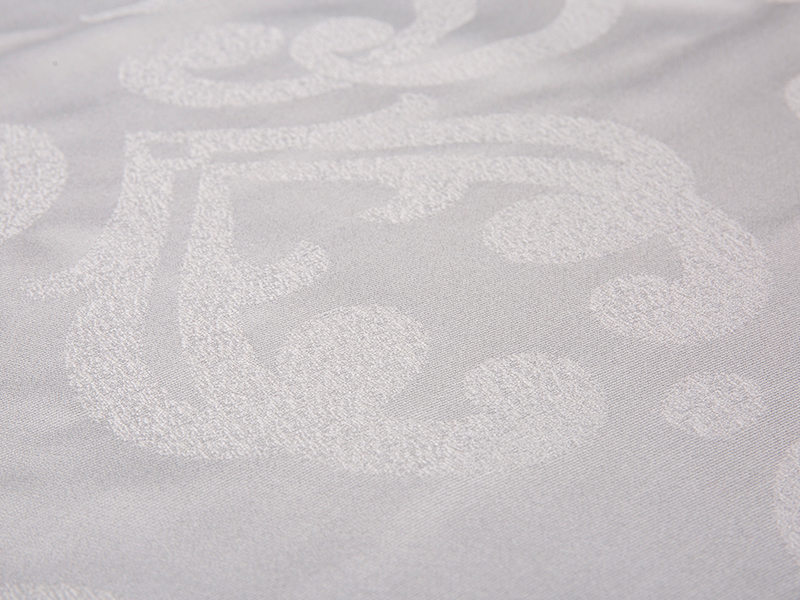
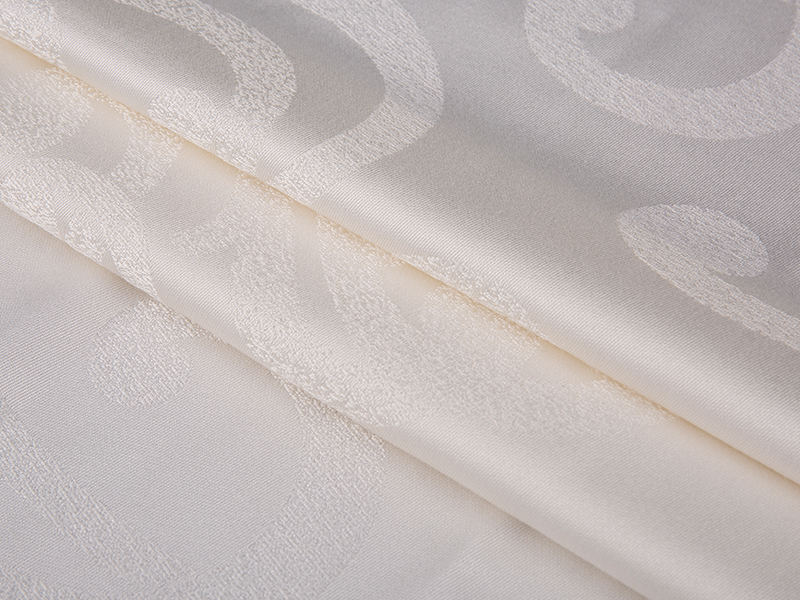
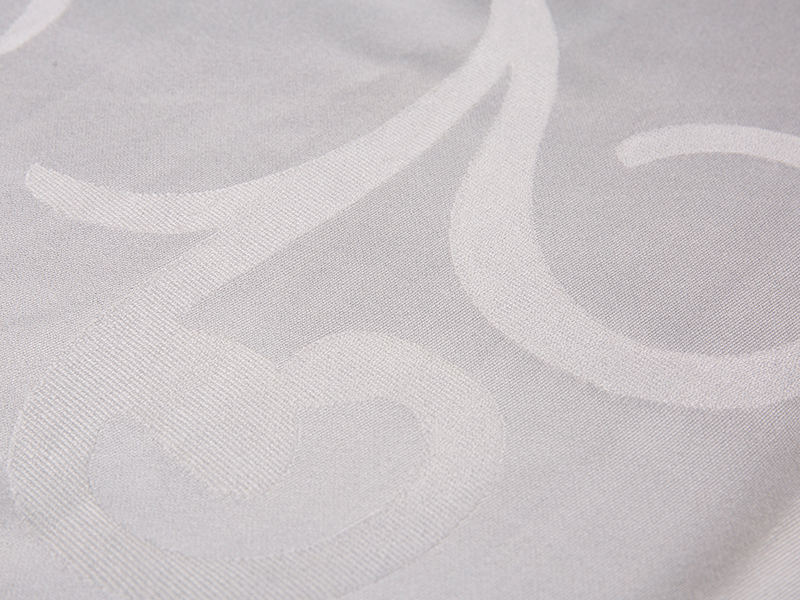
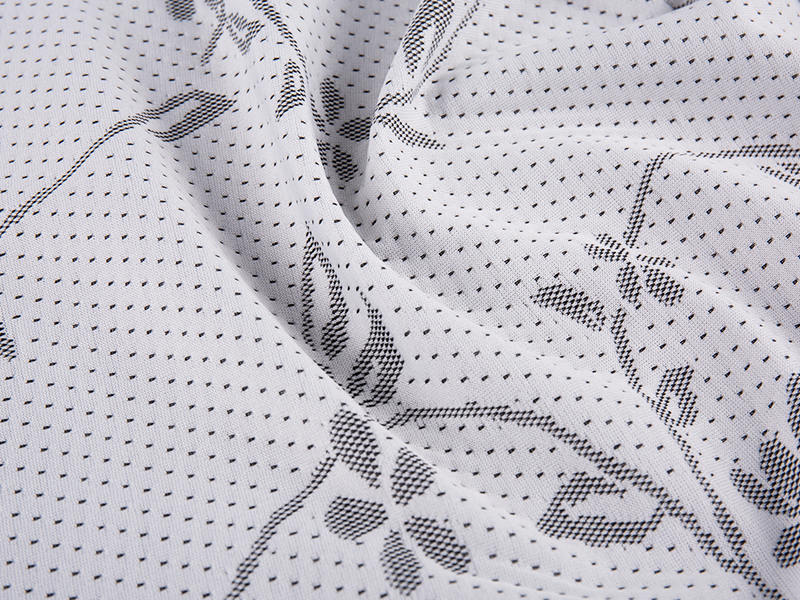
Custom Jacquard mattress fabric

Home / Products / Sustainable Mattress Fabrics / Jacquard mattress fabric

Jacquard mattress fabric Manufacturers

Dobby & Jacquard Weave Construction Multi-pattern Capability

Jacquard Mattress Fabric

Product Description

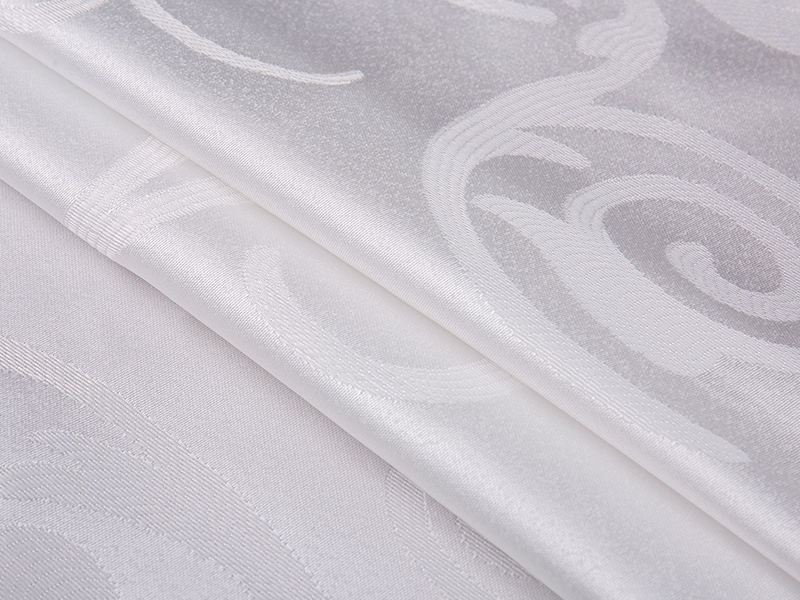
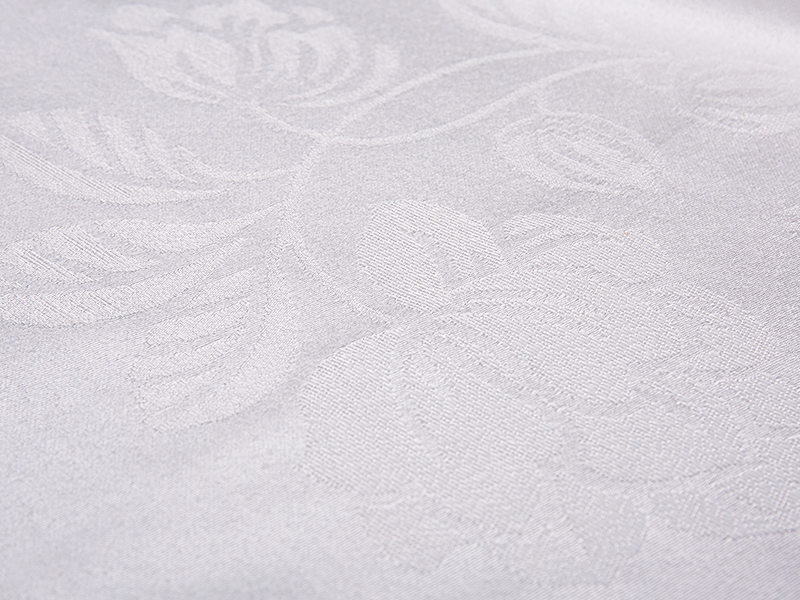
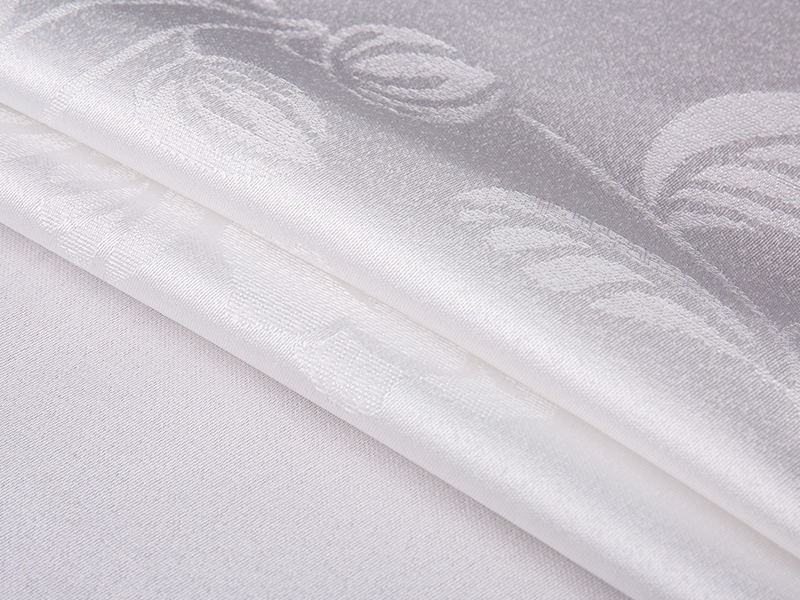
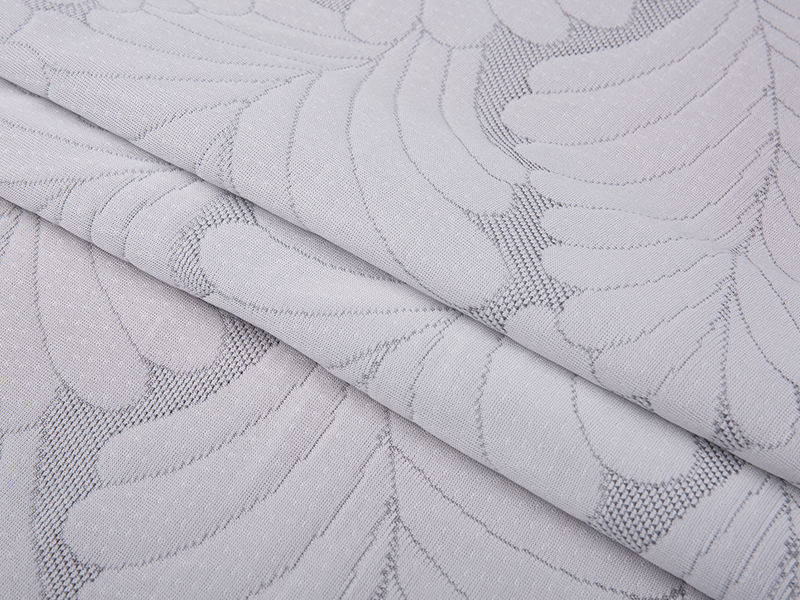
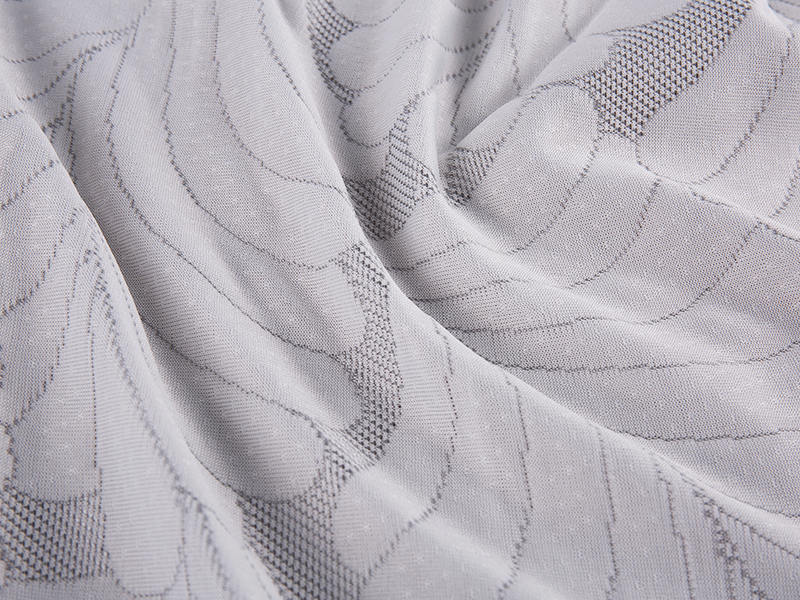
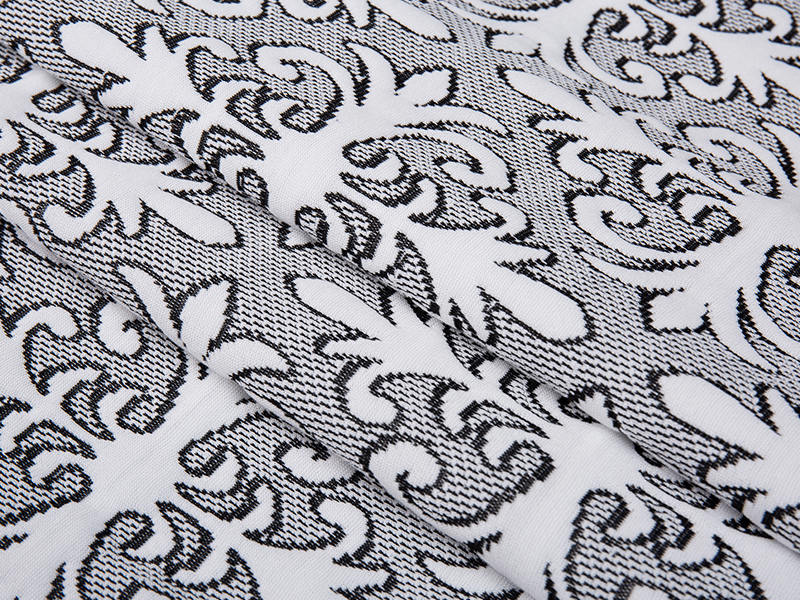
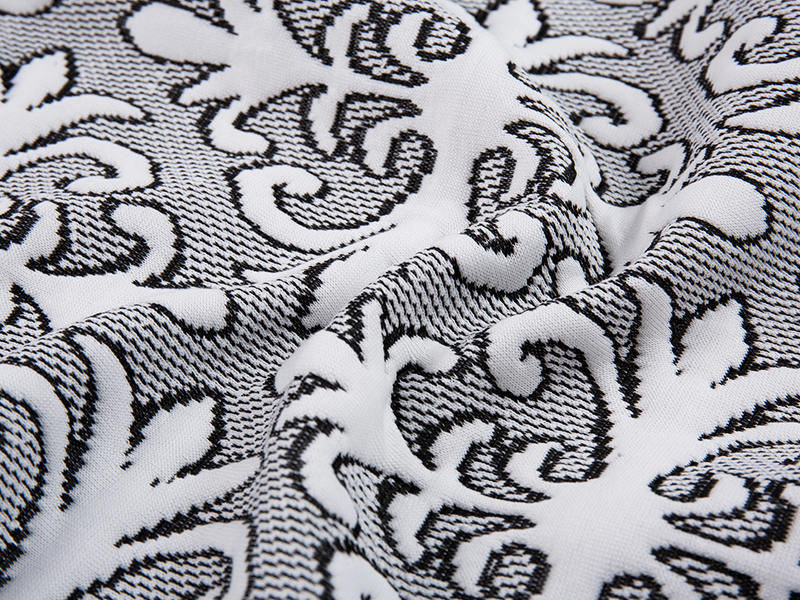
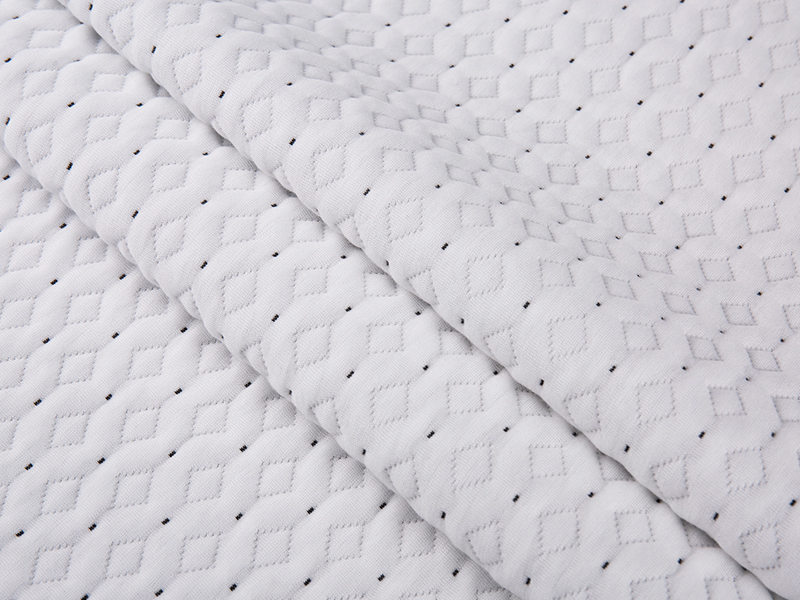
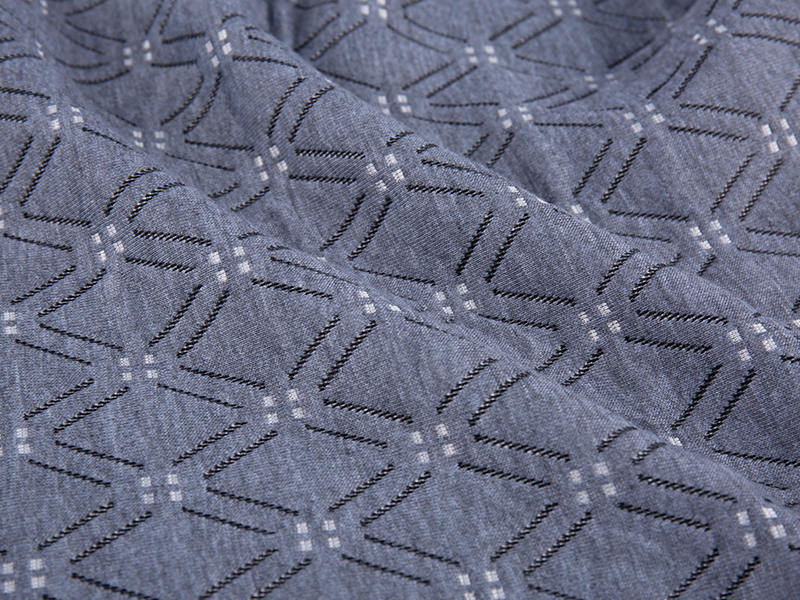
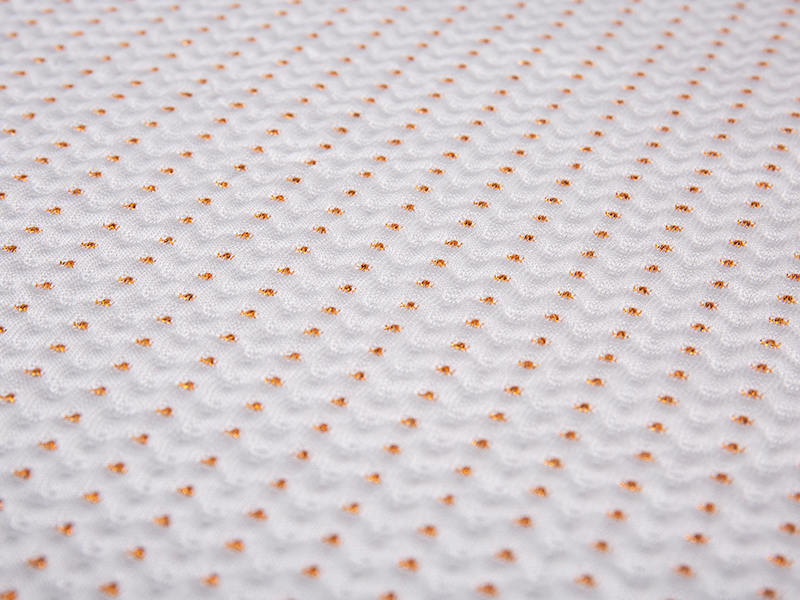
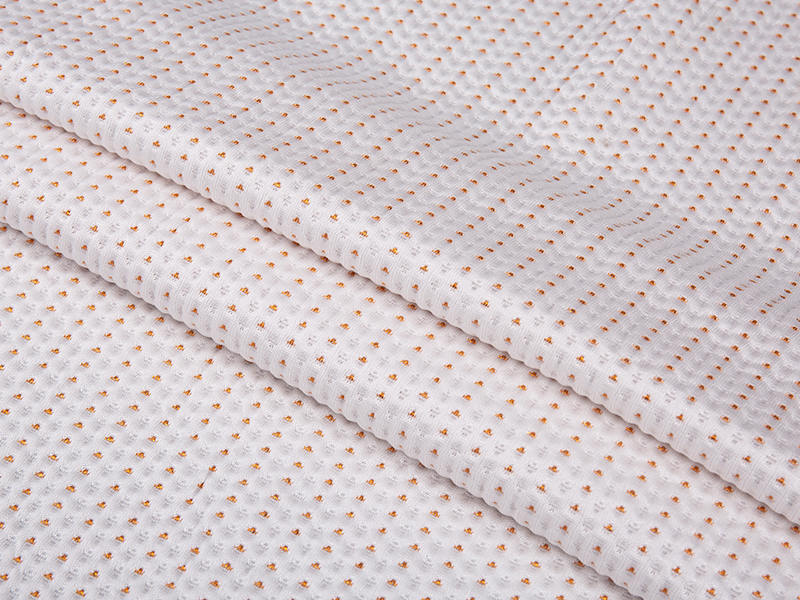
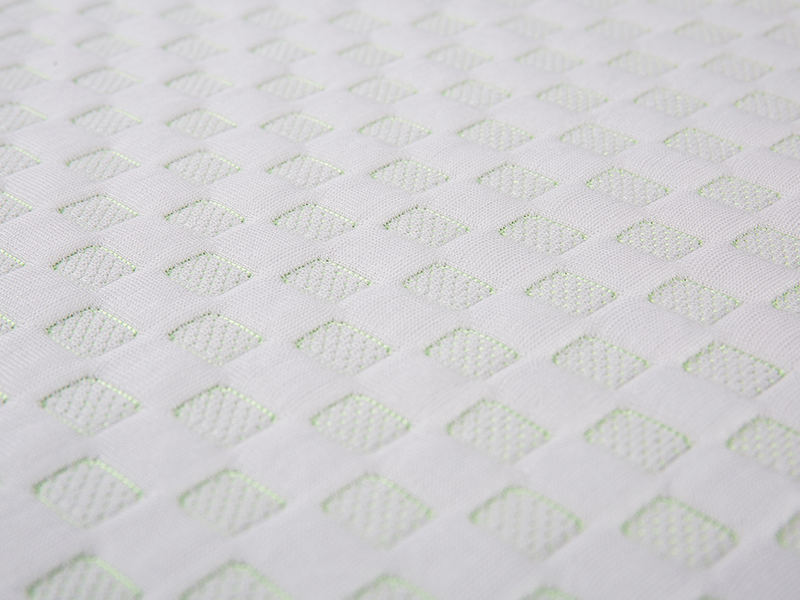
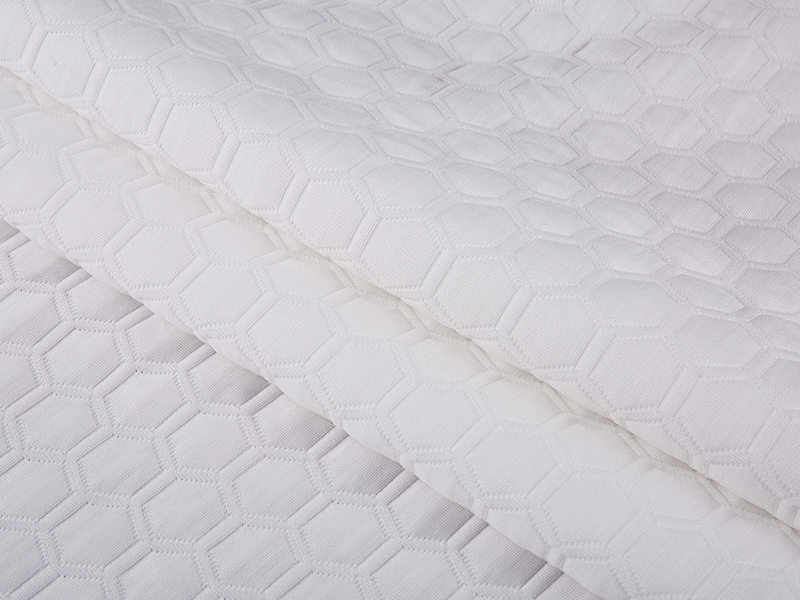
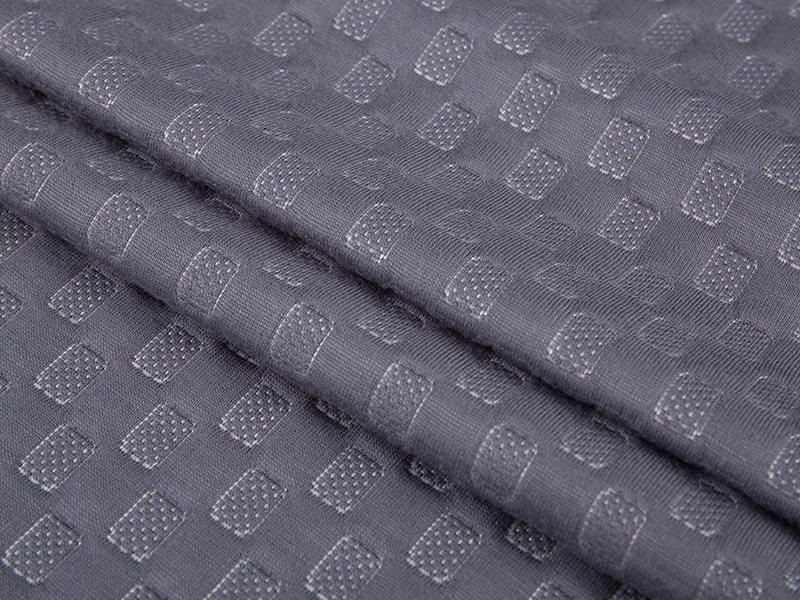
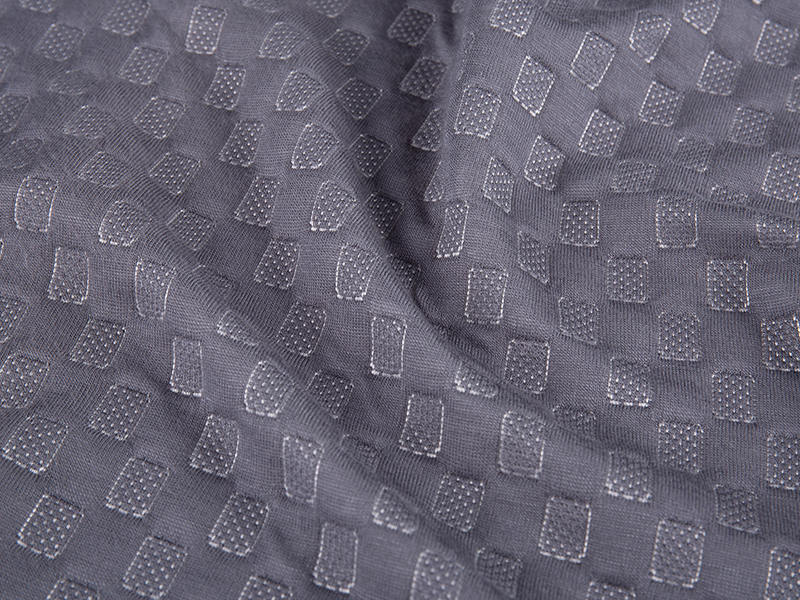
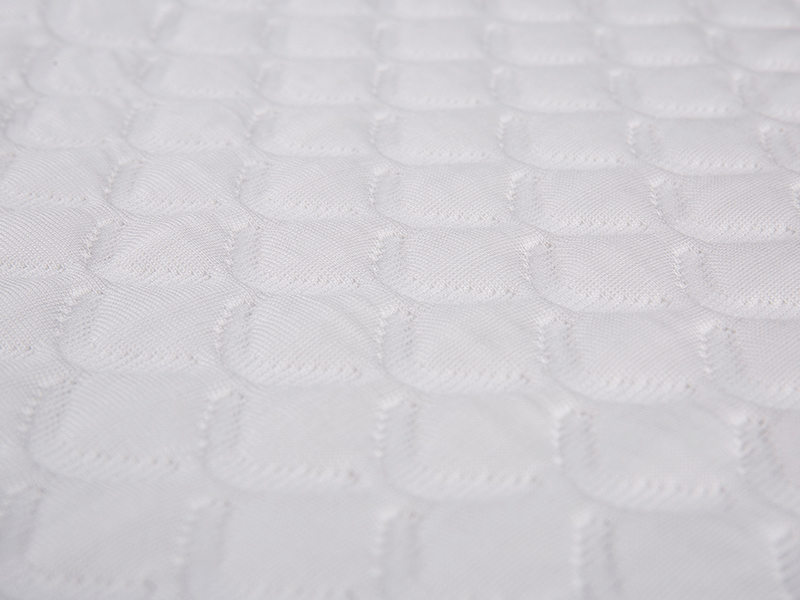
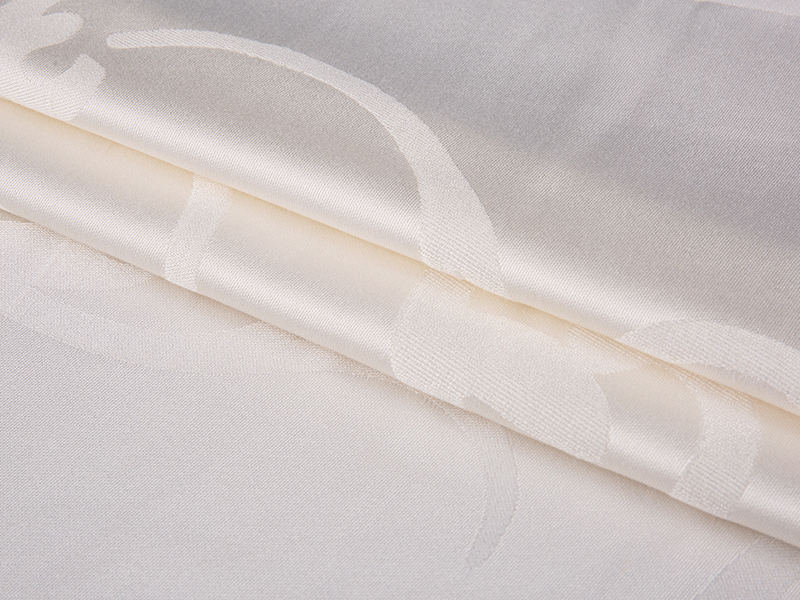
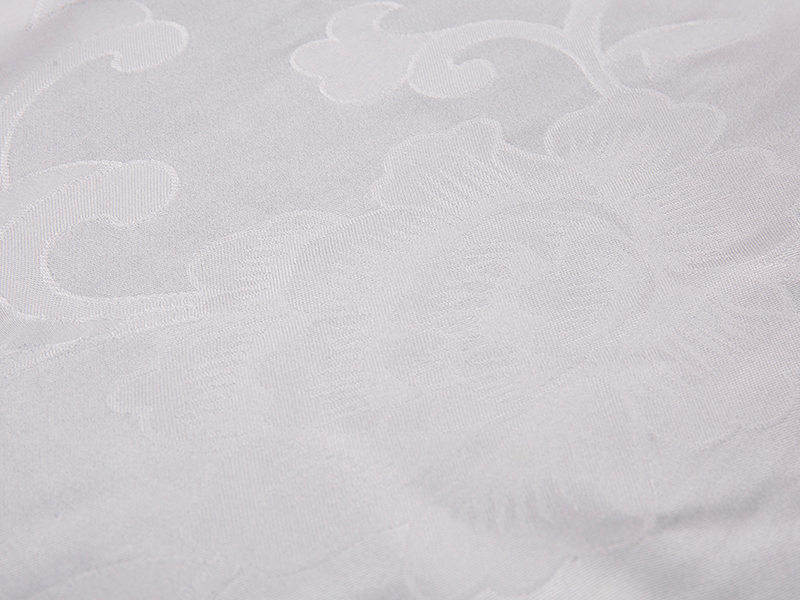
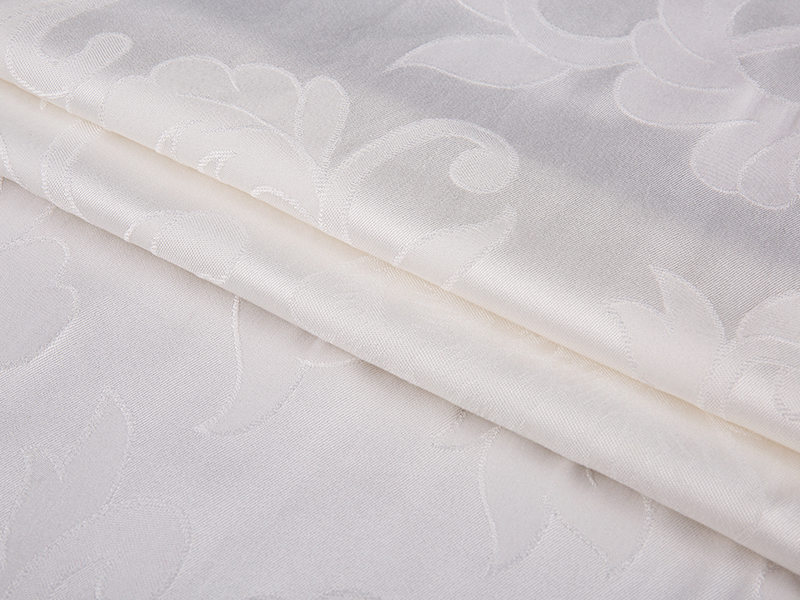
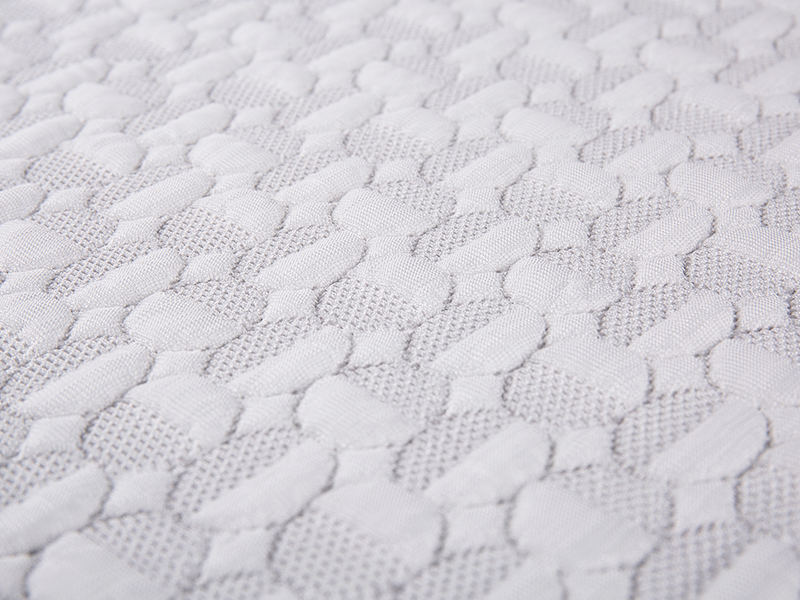
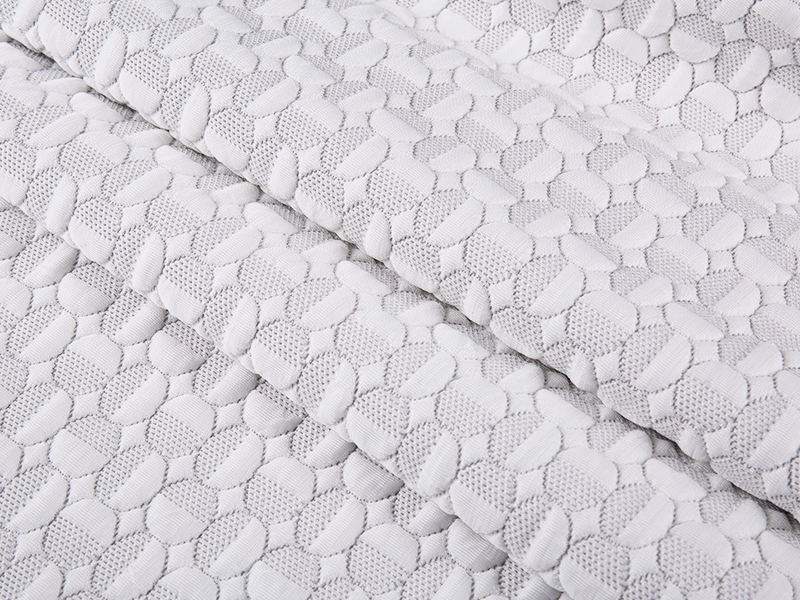
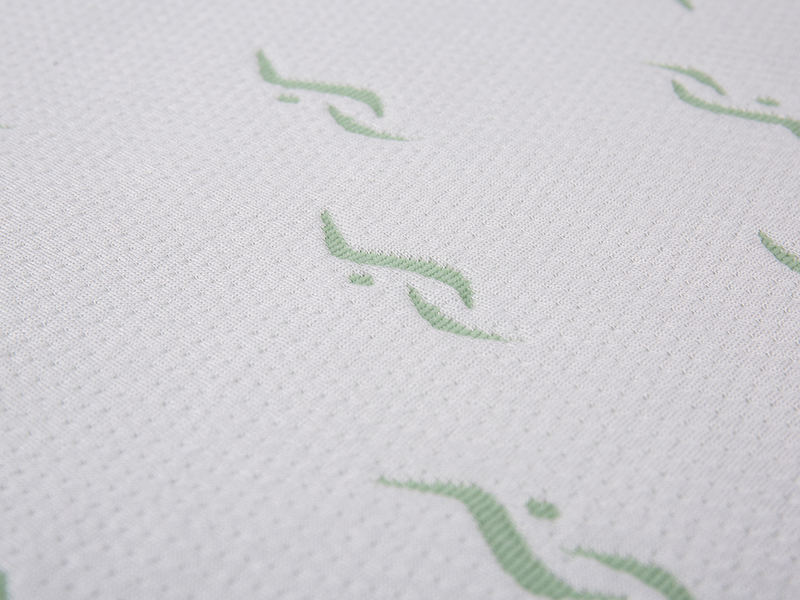
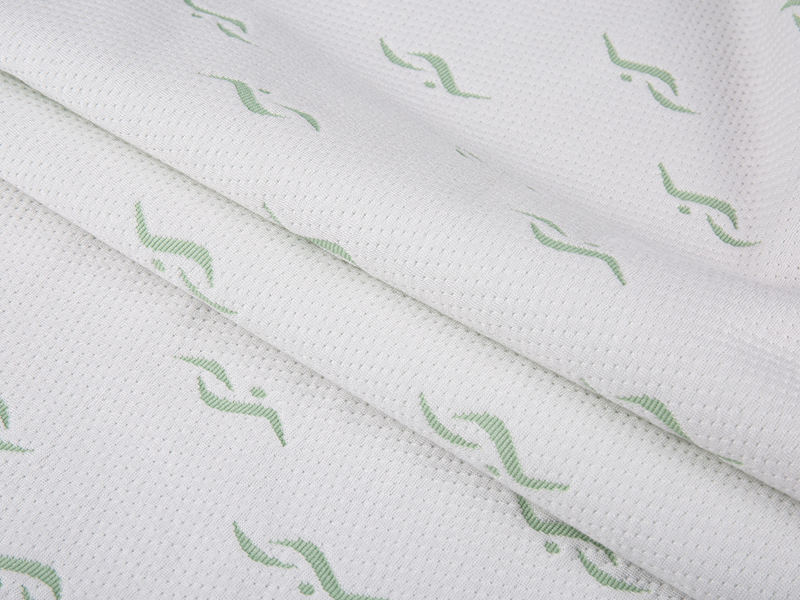
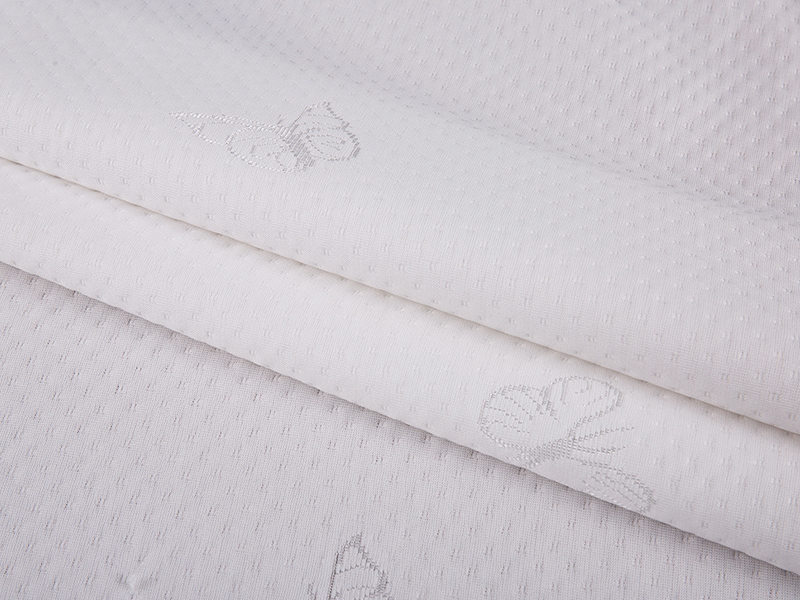
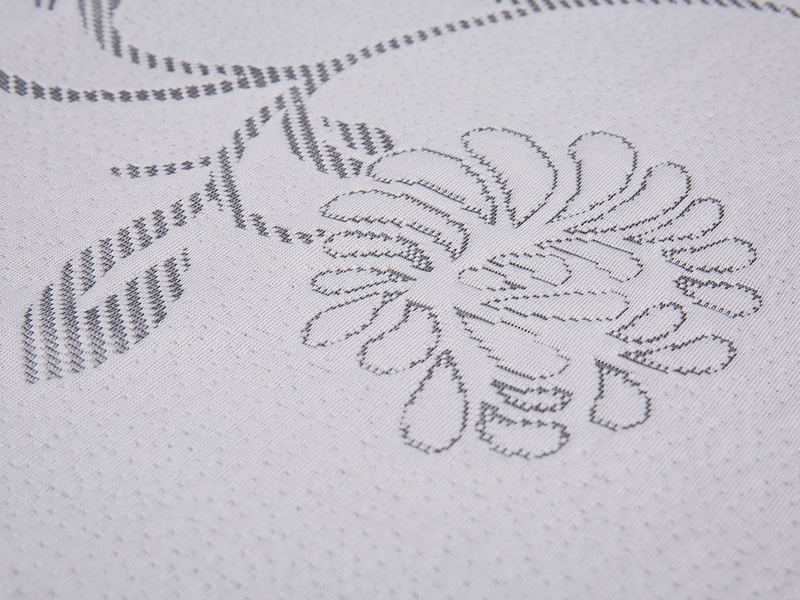
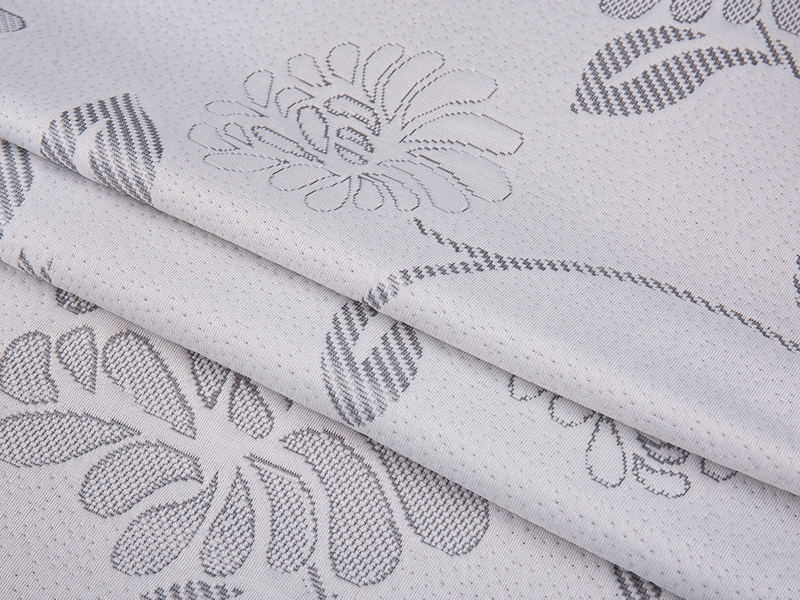
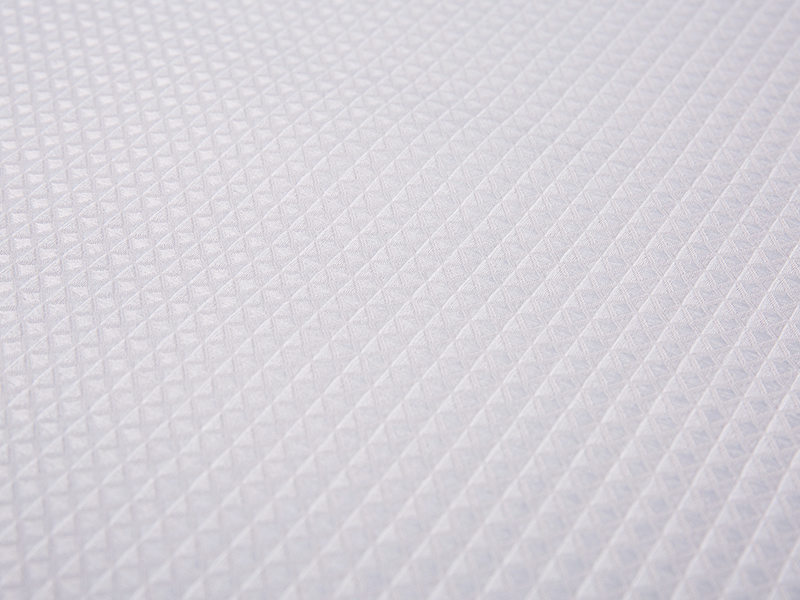
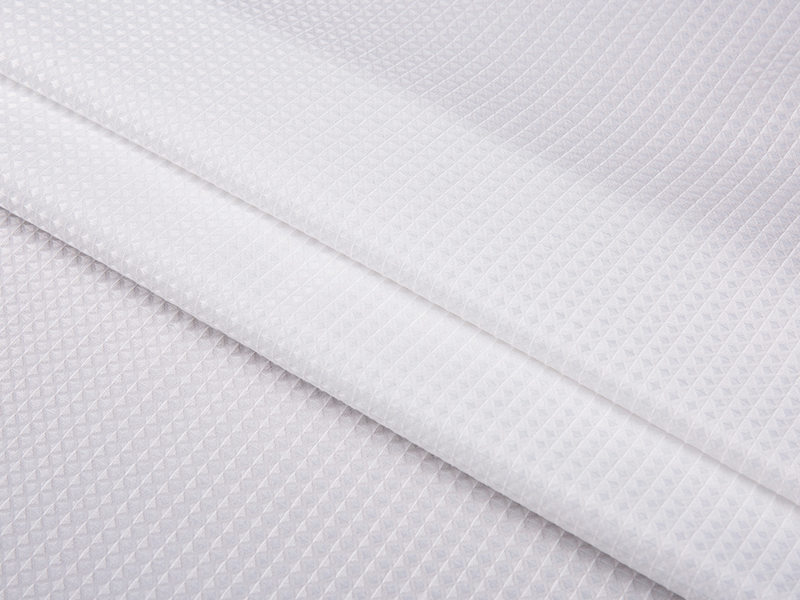
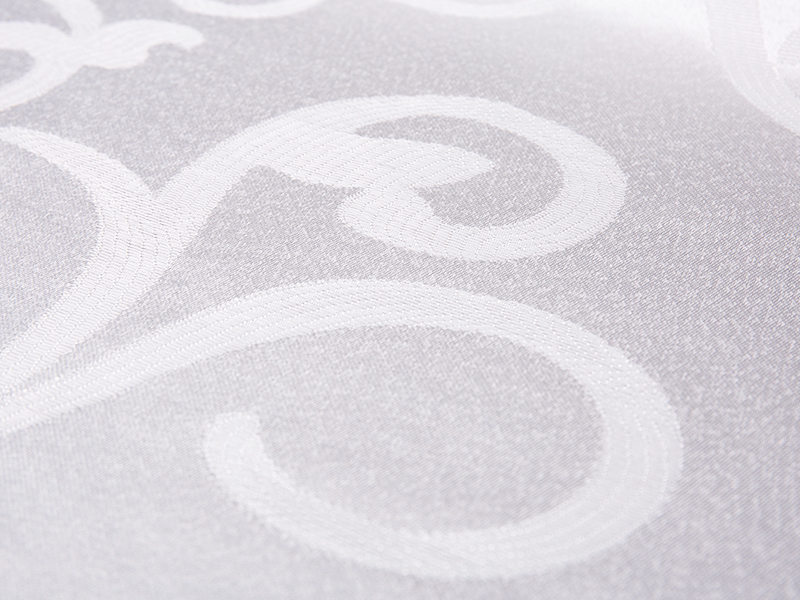
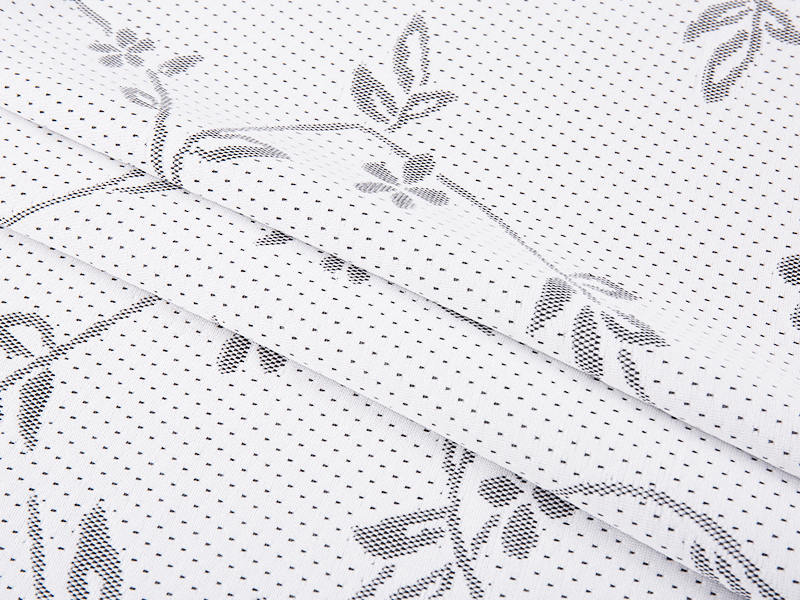
Jacquard mattress fabric uses specialized looms with individual warp control to weave complex, repeating patterns. Unlike printing or embroidery, it integrates color via differently colored yarns, making the design visible on both sides without coating degradation. Materials (polyester, cotton, TENCEL, or blends) are chosen for breathability, abrasion resistance, and shrinkage control. This method eliminates printing inks, reducing VOCs. Pattern contrast comes from mixing matte and semi-lustrous yarns.

Technical Construction

Weave Technology Electronic Jacquard loom / 1344-2688 hooks
Fiber Composition Polyester / Cotton / Viscose blends (custom ratios)
Thread Count Range 180 TC – 500 TC (depending on pattern density)
Fabric Weight 130 gsm – 280 gsm
Pattern Repeat Up to 50 cm vertical repeat (customizable)

Core Advantages

Abrasion Resistance – Jacquard interlacing creates a denser surface structure; Martindale test results ≥ 30,000 cycles without yarn breakage.
Chemical-free Patterning – No surface inks, dyes, or coatings used to generate the pattern; colorfastness rating Grade 4-5 (AATCC 61).
Two-sided Visibility – Pattern structure remains legible on both fabric faces, allowing reversible mattress cover construction.
Dimensional Consistency – Heat-set during finishing; shrinkage rate ≤ 2.8% across warp and weft directions after laundering.

Mechanical Specifications

Physical Properties
Tensile Strength (Warp)≥ 550 N (ISO 13934-1)
Tensile Strength (Weft)≥ 420 N (ISO 13934-1)
Tear Strength≥ 25 N (ASTM D1424)
Durability Metrics
Pilling ResistanceGrade 4 (ISO 12945-2)
Seam Slippage≤ 3 mm (ASTM D434)
Colorfastness to LightGrade 4 (AATCC 16.3)

Application Scenarios

Hotel Bedding Collections – Patterned mattress covers for brand identity differentiation in 4-5 star properties.
Showroom & Display Mattresses – Aesthetic surface layer for retail exhibition where visual appeal influences purchasing decisions.
Premium Residential Lines – Mattress ticking for direct-to-consumer brands requiring patterned surfaces without printed ink transfer.
Box Spring & Foundation Covers – Woven pattern panels for bed base upholstery requiring surface uniformity across large areas.

Technical Considerations & Mitigations

Pattern distortion during sewing
Jacquard fabrics require pattern alignment during cutting. Solution: CAD-generated cutting markers with pattern registration marks reduce misalignment to ≤ 2 mm per linear meter.
Yarn tension inconsistency
Electronic jacquard looms with individual servo-controlled harnesses maintain tension variance below 5% across pattern repeats, eliminating visible banding.
Shrinkage after first wash
Pre-shrinking through stenter frame heat-setting (190°C, 20 m/min) reduces post-laundry shrinkage to ≤ 2.2% in warp direction.
Cost vs printed alternatives
Jacquard production carries higher initial loom setup cost (USD 800-1500 per pattern) but eliminates recurring printing plate expenses for orders exceeding 10,000 linear meters.

Care Parameters

Wash Temperature 40°C maximum; higher temperatures (≥60°C) may cause differential shrinkage between warp and weft yarn systems.
Detergent Type pH-neutral liquid detergents without optical brighteners; powder detergents may leave residues in jacquard recesses.
Drying Method Tumble dry low (≤55°C) or line dry; high heat degrades polyester filament crimp, flattening pattern relief.
Ironing Instructions Iron reverse side at 150°C maximum; direct heat on patterned face may compress raised weave structures.

Certification & Compliance

OEKO-TEX Standard 100 (Class I or II dependent on end use)
REACH Regulation (EC 1907/2006) compliant
Flammability standard: BS 5852 / CA TB 117 (when combined with FR interliner)
GOTS certification available for organic cotton jacquard variants
About Us
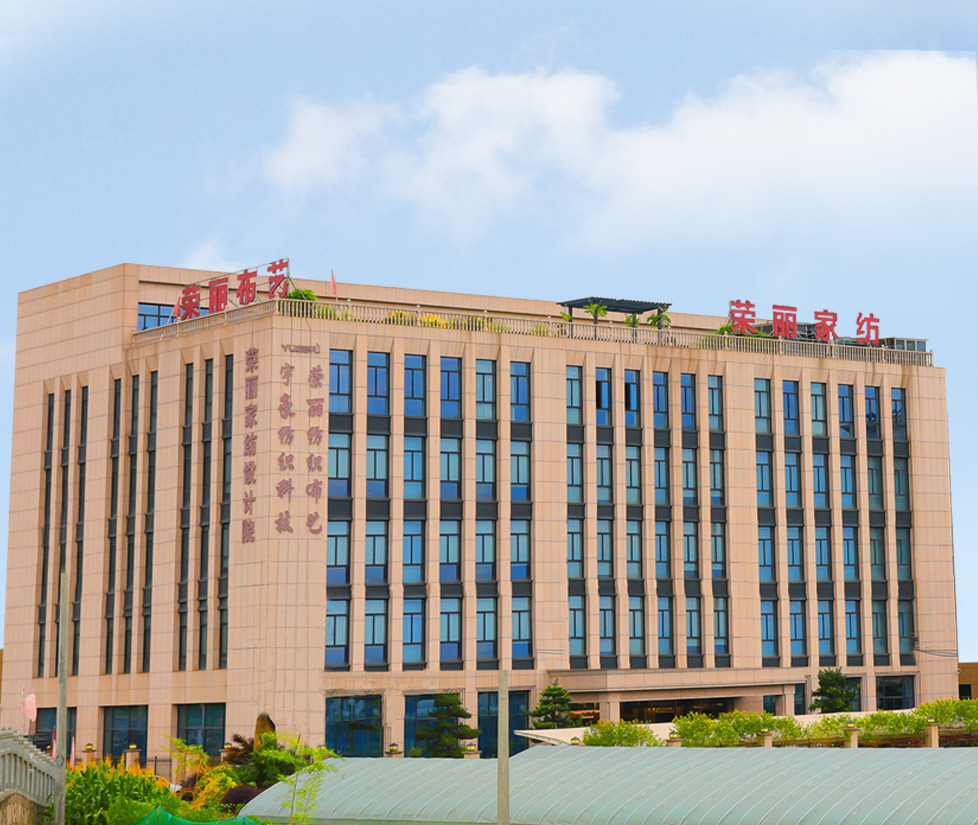
image front
Hangzhou Xiaoshan RongLi Clothing Co.,Ltd.

Hangzhou Xiaoshan RongLi Clothing Co.,Ltd. was established in 1989 and has been a professional company dedicated to modern mattress fabric. Our company covers 100000 ㎡, and has been honored with "AAA enterprise" of Hangzhou enterprise credit rating, "Xiaoshan brand products", and "Hangzhou famous brand" of our "Rongli trademark". Meanwhile, our company has passed ISO9001:2000 quality system accreditation and all our fabrics have passed the inspection of EU REACH and accreditation of German Hein Stan Oeko-TexStand100.xStand100 certificate.

We are China Jacquard mattress fabric Manufacturers and Custom ODM/OEM Jacquard mattress fabric Factory. Our company integrates mattresses, design, production, R&D, and sales of home textiles, and imports advanced waving machinery from West Germany and Italy, among others. Produced jacquard, printed, dyed, and color-dyed fabric, knitting mattress, tatting materials, and thermal transfer printed material are of fashionable style and have wide varieties. Knitted and printed tatting cloths are widely applied to cushions, mattresses, pillow covers, sofas, and the manufacturing of thermally transferred printed fabrics. At present, our products are not only sold to all major cities but also sold to countries and regions such as Europe, America, South-East Asia, the Middle East, Japan, and Korea, enjoying a good reputation at home and abroad and are very popular among customers.

News
Jacquard mattress fabric Industry knowledge
Product Range & Application Engineering

Jacquard mattress fabric

Hangzhou Xiaoshan RongLi Clothing Co., Ltd. is a Jacquard mattress fabric manufacturer serving industrial projects that require a defined process window, reliable integration and a documented technical scope.

Our approach connects the product configuration with the workpiece, production target, quality requirement and automation plan. The resulting scope covers the main equipment, line interfaces, acceptance basis and lifecycle support needed for a coordinated installation.

Configured Around the Application

We define the configuration around the required operation, material grade, workpiece dimensions, processing sequence, tolerance and output per shift. Product variety and changeover frequency are also incorporated because they affect capacity margin, tooling, controls, access and automation level.

Our technical proposal states the sizing assumptions and normal operating range instead of relying only on a theoretical maximum. Drawings, representative samples and process-trial data allow the product and tooling arrangement to be aligned before configuration approval.

Technical Scope and Configuration

The technical scope can cover rated capacity, working range, stroke or travel, speed, usable work area, clearance, accuracy, repeatability, rigidity, drive and control architecture, power requirements and compatible tooling. We distinguish rated values, adjustable ranges and configuration-dependent performance in the proposal.

  • Performance is matched to the intended working point, not only to a headline maximum.
  • Our scope identifies included equipment, optional equipment and site-supplied interfaces.
  • Drawings, layout data and utility requirements support project planning.
  • Control language, data interfaces, recipes, traceability and line communication are defined for the application.

Automation, Safety and Site Integration

The base machine or product is one part of the complete installation. Our integration scope can account for feeding, transfer, tooling, guarding, sensors, conveyors, lubrication, scrap handling, inspection and connected equipment, with physical interfaces, signals and commissioning responsibilities defined in an interface document.

Safety provisions are aligned with the destination market and plant requirements. The documented scope identifies guards, interlocks, emergency-stop circuits, risk-reduction features and conformity documents applicable to the delivered configuration.

Quality Control and Acceptance

Our project scope connects critical-component selection, fabrication, assembly, inspection and pre-shipment testing with the agreed specifications. Factory acceptance conditions can define the test material, operating duration, measurement method and records supplied with the equipment.

Relevant factory resources, quality records, technical drawings and change-control documents provide a practical basis for technical review. Certification references are applied only when their issuer, scope and validity match the delivered configuration.

Application and Project Matrix

Project Area Application Information Our Technical Output
Application fit Material, part drawing, process and output target Sizing calculation and recommended configuration
Acceptance Measured tolerances, test duration and sample Inspection plan and FAT record
Lifecycle support Shift pattern, maintenance resources and destination Service scope, manuals and spare-parts plan

Total Cost, Delivery and Lifecycle Support

Our proposal can separate the base product, tooling, options, auxiliary equipment, packaging, delivery documents, installation, commissioning, training and initial spare parts. It also defines delivery terms, production milestones, approval points and the effect of approved changes on price or lead time.

Lifecycle support considers energy use, consumables, lubrication, wear parts, maintenance access, diagnostics, software and spare-parts availability. Maintenance intervals, recommended spares, warranty boundaries and available remote or on-site support can be documented for the destination country.

Information We Use to Configure Your Solution

  • Part drawing, material specification, dimensions and tolerance requirements
  • Process sequence, tooling information and representative samples
  • Target cycle rate, shifts per day, annual volume and planned capacity margin
  • Required configuration, automation level and line interfaces
  • Destination voltage, frequency, utilities, floor space and environmental conditions
  • Safety, documentation, certification and language requirements
  • Inspection method and factory/site acceptance criteria
  • Packaging, delivery terms, installation, training and service expectations
  • Requested spare-parts package, warranty terms and quotation validity

Related Equipment Categories

Compare Soft knit mattress fabric when the application requires a different frame, working area, drive arrangement or automation level.

A Configuration Built Around Your Project

Share the application details above with Hangzhou Xiaoshan RongLi Clothing Co., Ltd.. We will connect each major configuration choice to the production requirement and prepare a proposal that separates standard scope, options, site responsibilities and items requiring technical confirmation.