Product Range & Application Engineering
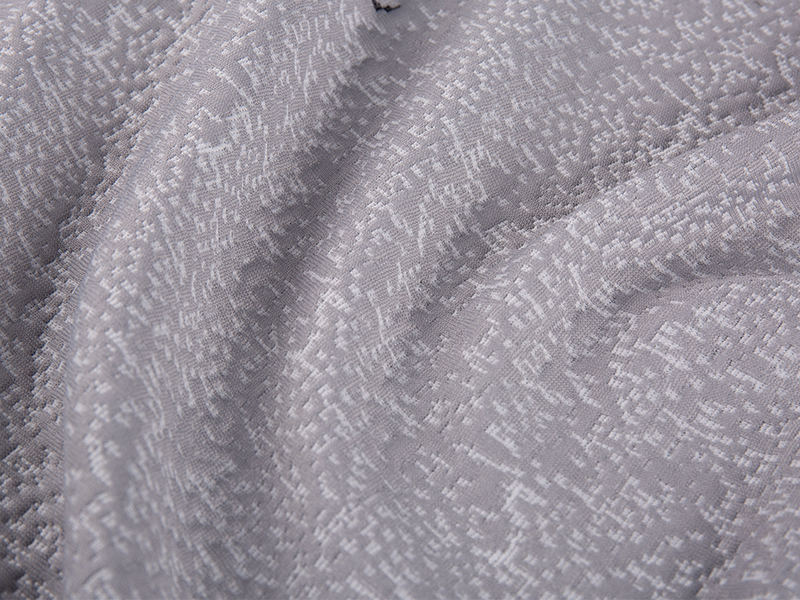
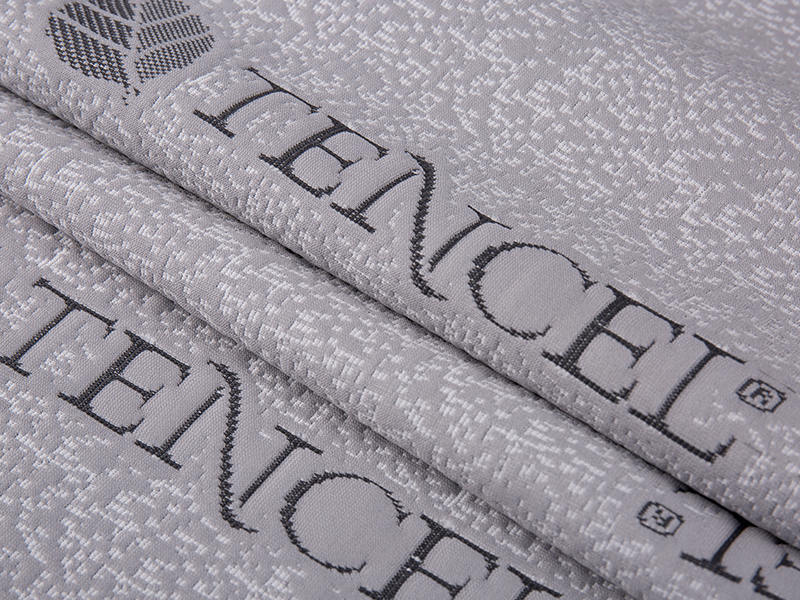
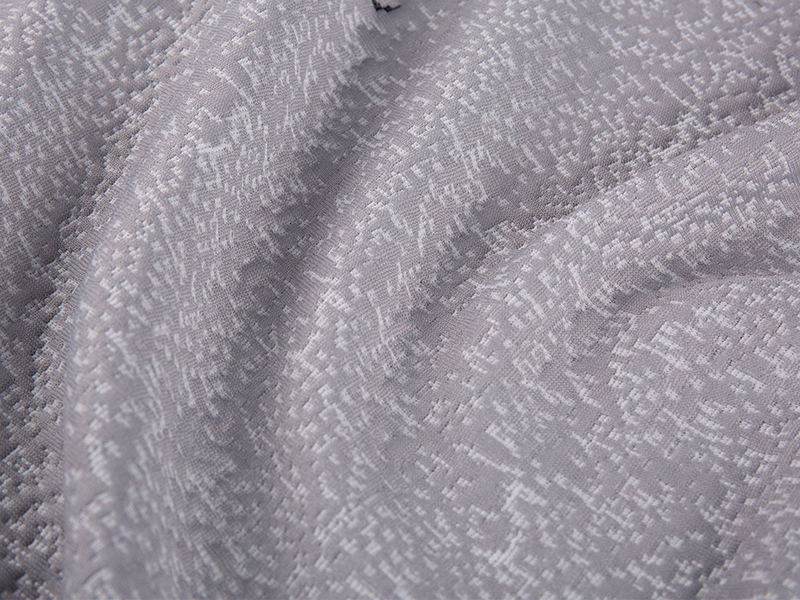
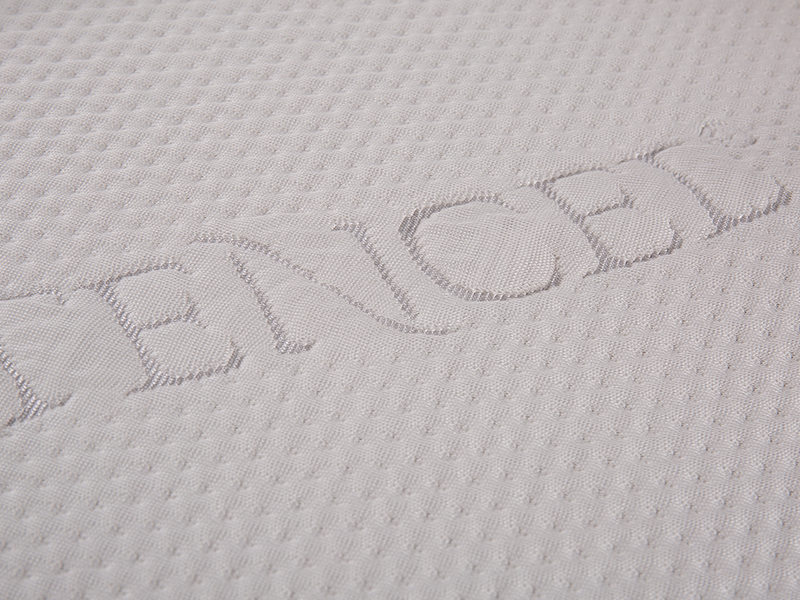
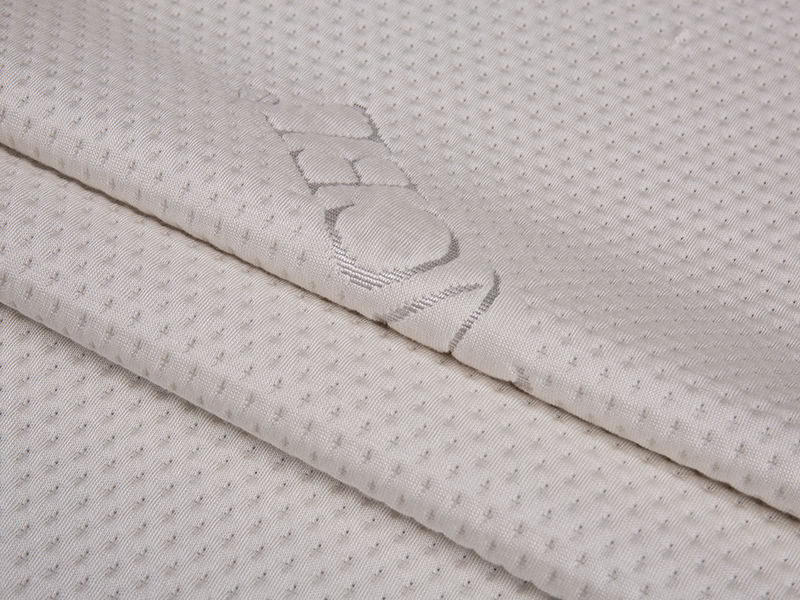
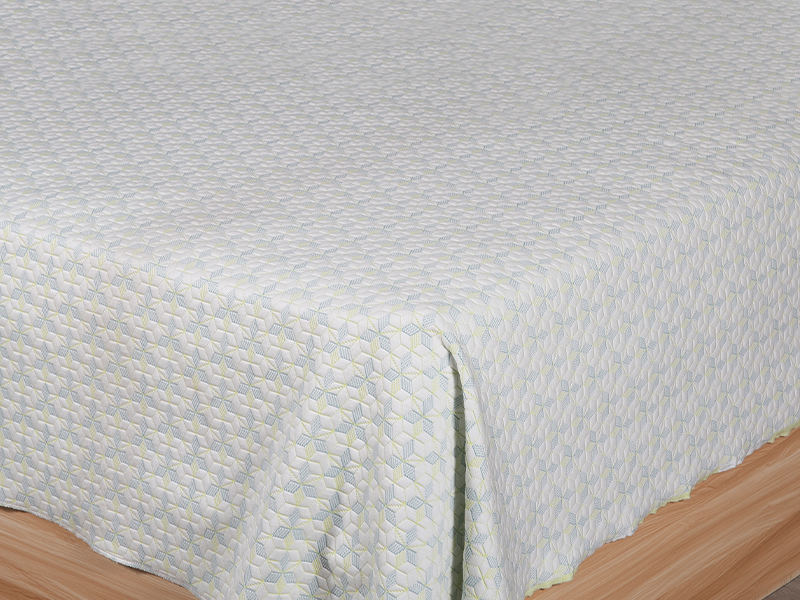
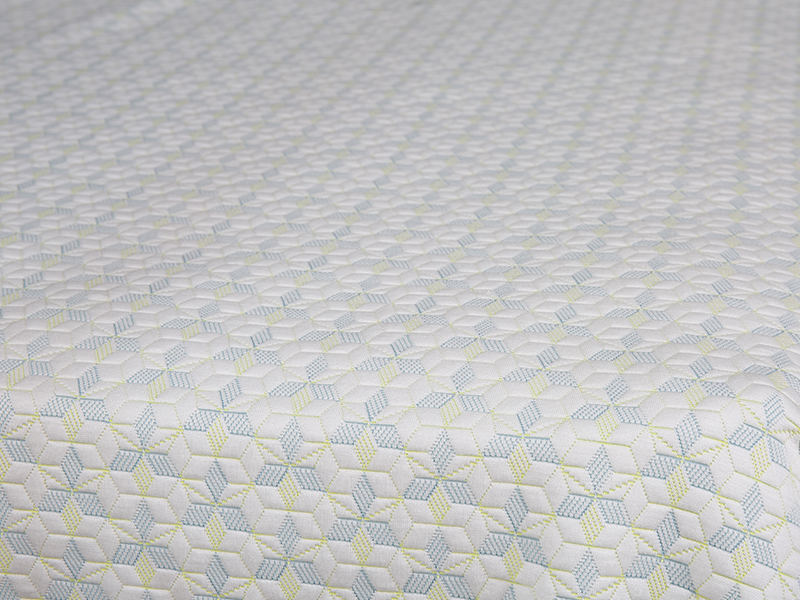
Tencel/Lyocell pillow fabric
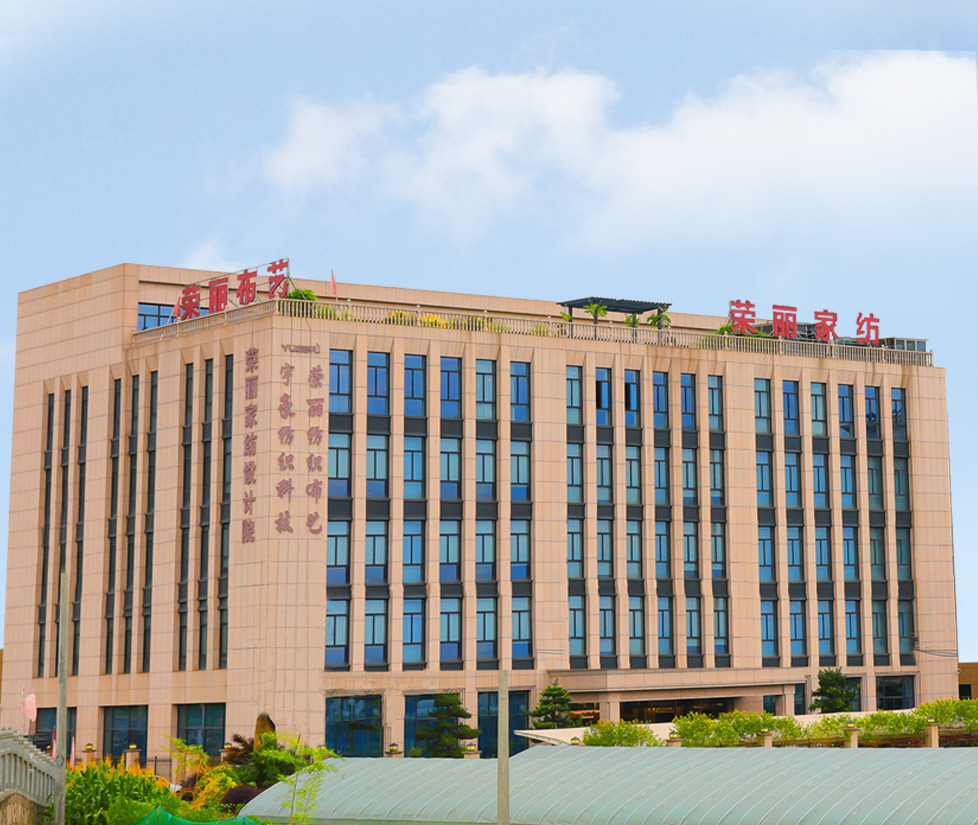
Hangzhou Xiaoshan RongLi Clothing Co., Ltd. is a Tencel/Lyocell pillow fabric manufacturer serving industrial projects that require a defined process window, reliable integration and a documented technical scope.
Our approach connects the product configuration with the workpiece, production target, quality requirement and automation plan. The resulting scope covers the main equipment, line interfaces, acceptance basis and lifecycle support needed for a coordinated installation.
Configured Around the Application
We define the configuration around the required operation, material grade, workpiece dimensions, processing sequence, tolerance and output per shift. Product variety and changeover frequency are also incorporated because they affect capacity margin, tooling, controls, access and automation level.
Our technical proposal states the sizing assumptions and normal operating range instead of relying only on a theoretical maximum. Drawings, representative samples and process-trial data allow the product and tooling arrangement to be aligned before configuration approval.
Technical Scope and Configuration
The technical scope can cover rated capacity, working range, stroke or travel, speed, usable work area, clearance, accuracy, repeatability, rigidity, drive and control architecture, power requirements and compatible tooling. We distinguish rated values, adjustable ranges and configuration-dependent performance in the proposal.
- Performance is matched to the intended working point, not only to a headline maximum.
- Our scope identifies included equipment, optional equipment and site-supplied interfaces.
- Drawings, layout data and utility requirements support project planning.
- Control language, data interfaces, recipes, traceability and line communication are defined for the application.
Automation, Safety and Site Integration
The base machine or product is one part of the complete installation. Our integration scope can account for feeding, transfer, tooling, guarding, sensors, conveyors, lubrication, scrap handling, inspection and connected equipment, with physical interfaces, signals and commissioning responsibilities defined in an interface document.
Safety provisions are aligned with the destination market and plant requirements. The documented scope identifies guards, interlocks, emergency-stop circuits, risk-reduction features and conformity documents applicable to the delivered configuration.
Quality Control and Acceptance
Our project scope connects critical-component selection, fabrication, assembly, inspection and pre-shipment testing with the agreed specifications. Factory acceptance conditions can define the test material, operating duration, measurement method and records supplied with the equipment.
Relevant factory resources, quality records, technical drawings and change-control documents provide a practical basis for technical review. Certification references are applied only when their issuer, scope and validity match the delivered configuration.
Application and Project Matrix
| Project Area |
Application Information |
Our Technical Output |
| Application fit |
Material, part drawing, process and output target |
Sizing calculation and recommended configuration |
| Acceptance |
Measured tolerances, test duration and sample |
Inspection plan and FAT record |
| Lifecycle support |
Shift pattern, maintenance resources and destination |
Service scope, manuals and spare-parts plan |
Total Cost, Delivery and Lifecycle Support
Our proposal can separate the base product, tooling, options, auxiliary equipment, packaging, delivery documents, installation, commissioning, training and initial spare parts. It also defines delivery terms, production milestones, approval points and the effect of approved changes on price or lead time.
Lifecycle support considers energy use, consumables, lubrication, wear parts, maintenance access, diagnostics, software and spare-parts availability. Maintenance intervals, recommended spares, warranty boundaries and available remote or on-site support can be documented for the destination country.
Information We Use to Configure Your Solution
- Part drawing, material specification, dimensions and tolerance requirements
- Process sequence, tooling information and representative samples
- Target cycle rate, shifts per day, annual volume and planned capacity margin
- Required configuration, automation level and line interfaces
- Destination voltage, frequency, utilities, floor space and environmental conditions
- Safety, documentation, certification and language requirements
- Inspection method and factory/site acceptance criteria
- Packaging, delivery terms, installation, training and service expectations
- Requested spare-parts package, warranty terms and quotation validity
Related Equipment Categories
Compare Mattress cover when the application requires a different frame, working area, drive arrangement or automation level.
A Configuration Built Around Your Project
Share the application details above with Hangzhou Xiaoshan RongLi Clothing Co., Ltd.. We will connect each major configuration choice to the production requirement and prepare a proposal that separates standard scope, options, site responsibilities and items requiring technical confirmation.

 English
 русский
 Español
 中文简体
中文简体