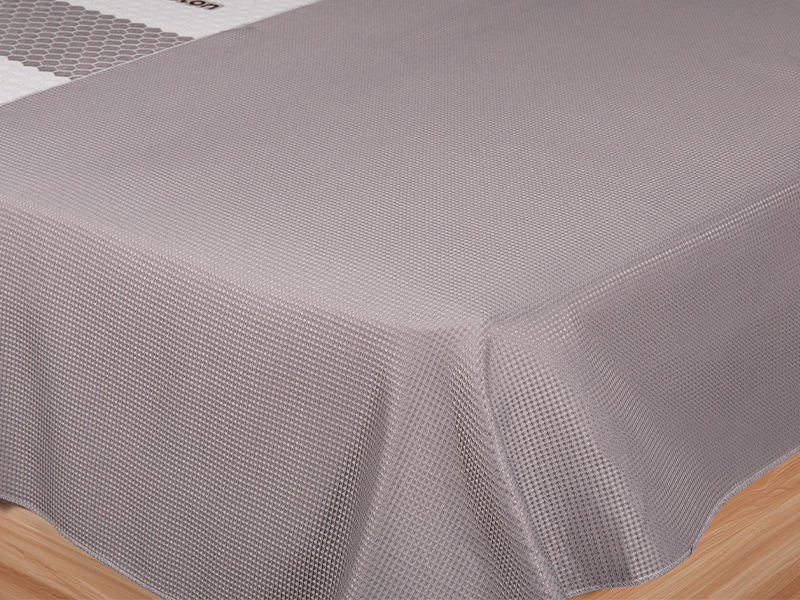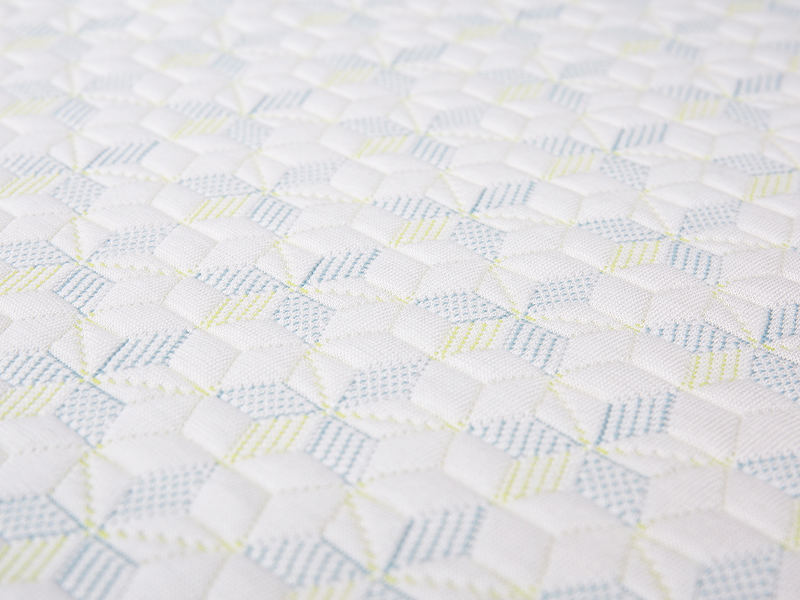
 English
 русский
 Español
 中文简体
中文简体
Article Directory
- 1 Understanding Structural Integrity through Weave Geometry
- 2 Jacquard Weaving: The Intersection of Aesthetics and Strength
- 3 The Role of Knit vs. Woven (Tatting) Materials
- 4 Finishing Processes and Pilling Resistance
- 5 Conclusion
- 6 Frequently Asked Questions (FAQ)
- 6.1 1. Which weave pattern is best for preventing pilling on Cotton mattress fabric?
- 6.2 2. Is 100% cotton fabric durable for mattresses compared to polyester blends?
- 6.3 3. How does jacquard cotton mattress fabric durability compare to printed fabrics?
- 6.4 4. What is the difference between knitted cotton mattress fabric vs woven regarding airflow?
- 6.5 5. Can Hangzhou Xiaoshan RongLi provide fabrics that meet specific safety standards?
- 7 Related Industry References
In the textile engineering sector, the longevity of a sleep surface is fundamentally linked to the structural integrity of its covering. Cotton mattress fabric remains a gold standard for premium sleep systems due to its natural breathability and tactile comfort. However, durability is not merely a result of fiber quality but is significantly influenced by the interlacing geometry of the yarns. Hangzhou Xiaoshan RongLi Clothing Co., Ltd., established in 1989, has spent over three decades perfecting modern mattress textiles. Operating across a 100,000 ㎡ facility and utilizing advanced machinery from West Germany and Italy, our "Rongli" brand integrates R&D and production to meet German Oeko-Tex Standard 100 and ISO9001:2000 requirements, ensuring that every cotton mattress fabric we produce adheres to global excellence.
Understanding Structural Integrity through Weave Geometry
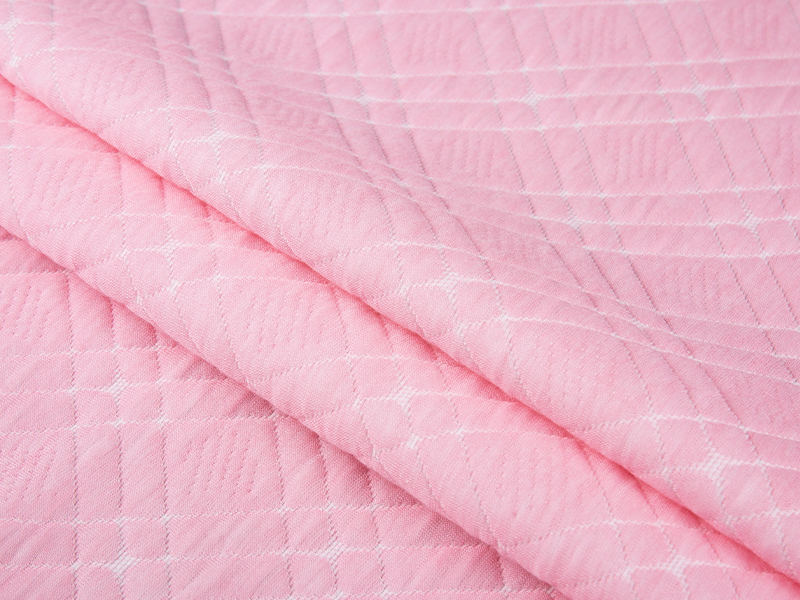
The mechanical strength of Cotton mattress fabric is determined by the frequency of interlacing between warp and weft threads. Higher interlacing frequency generally correlates with higher resistance to yarn slippage and pilling. When analyzing how to improve cotton mattress fabric lifespan, engineers must look at the float length—the distance a yarn travels over others without interlacing. Shorter floats, typical of plain or twill weaves, provide a tighter structure, whereas longer floats found in sateen weaves prioritize aesthetic sheen over rugged durability. Our organic cotton mattress ticking durability research indicates that structural density (thread count combined with weave type) is the primary predictor of abrasion resistance.
Comparison: Interlacing Density and Mechanical Resistance
Plain weave structures offer the highest interlacing density, making them extremely stable, while sateen structures trade some stability for a smoother surface and superior drape.
| Weave Type | Interlacing Frequency | Abrasion Resistance | Surface Smoothness |
| Plain Weave | Highest | Excellent | Moderate |
| Twill Weave | Moderate | High | High (Diagonal ribs) |
| Sateen Weave | Low | Moderate | Highest (Glossy) |
Jacquard Weaving: The Intersection of Aesthetics and Strength
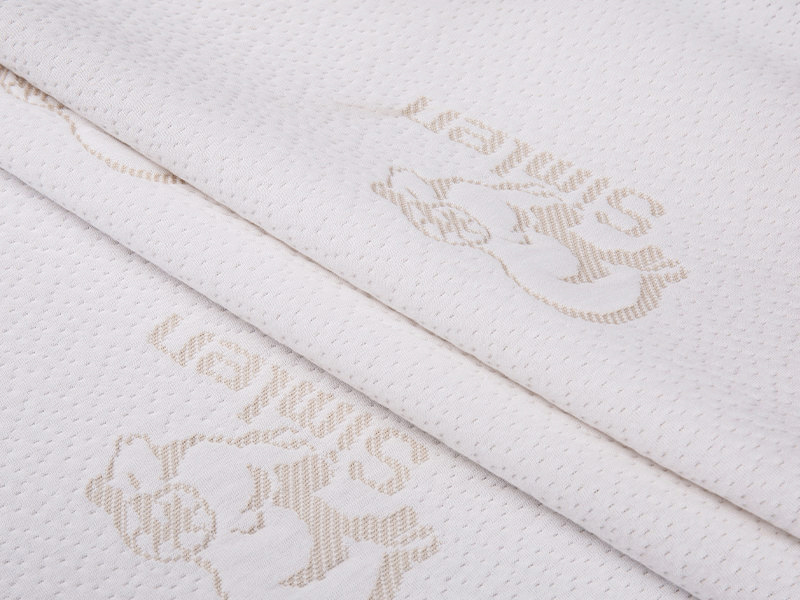
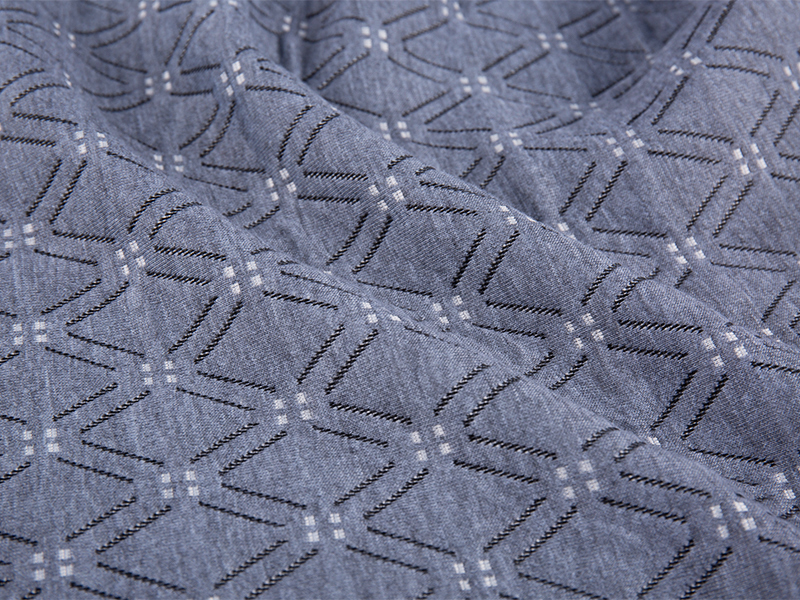
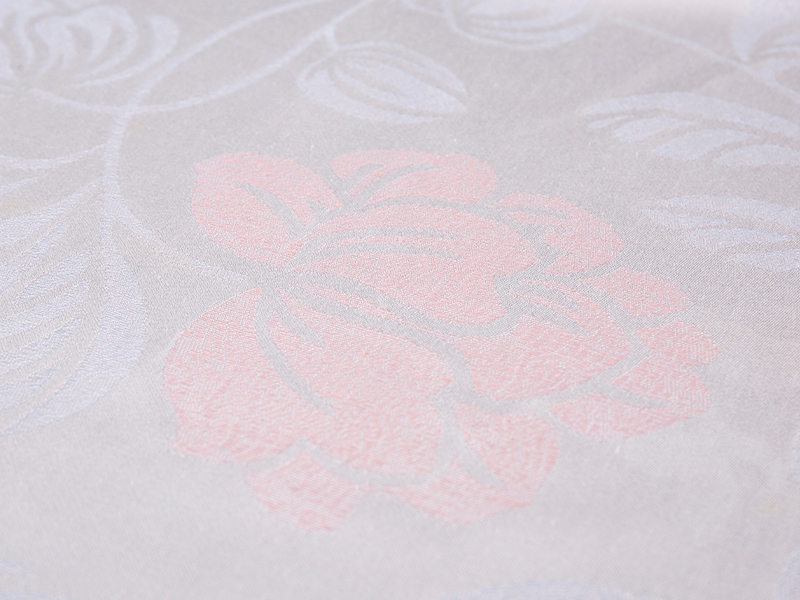
One of the most complex methods used at Hangzhou Xiaoshan RongLi Clothing Co., Ltd. is the production of jacquard cotton mattress fabric durability. Unlike printed designs, jacquard patterns are woven directly into the fabric using advanced machinery. This process creates a multi-layered effect that can actually enhance the thickness and puncture resistance of the ticking. A common inquiry from our global clients involves damask vs sateen mattress fabric for long term use; while sateen is luxurious, a high-density damask (a type of jacquard) provides a more robust barrier against the internal components of the mattress, preventing fiber migration over time.
Comparison: Damask vs. Sateen Performance
Damask weaves utilize complex structures to create reversible, high-strength patterns, whereas sateen focuses on four-over-one-under yarn mapping for maximum light reflection.
| Performance Metric | Damask (Jacquard) | Sateen Finish |
| Tensile Strength | Superior due to complex crossovers | Moderate (Long floats are vulnerable) |
| Pilling Resistance | High | Lower (Floats can snag) |
| Industrial Application | High-end, heavy-duty mattresses | Pillow tops and luxury overlays |
The Role of Knit vs. Woven (Tatting) Materials
In modern mattress manufacturing, the choice between knitted cotton mattress fabric vs woven is pivotal. Knitted fabrics offer a "stress-relief" benefit, conforming to the body's contours and the foam layers beneath. However, from a strictly engineering standpoint, woven (tatting) materials provide higher dimensional stability. For bariatric or heavy-duty mattress specifications, woven Cotton mattress fabric is preferred as it resists stretching and maintains the mattress's shape under high compressive loads. At Rongli, we utilize Italian weaving technology to produce both high-stretch knits and ultra-stable woven fabrics to satisfy diverse market demands.
Technical Advantages of Rongli Woven Fabrics:
- Dimensional Stability: Resists elongation under multi-directional stress.
- Bursting Strength: High-density weaves prevent coil or spring intrusion.
- Oeko-Tex Standard 100: Guaranteed free from harmful substances and irritants.
Finishing Processes and Pilling Resistance
Durability is also a function of the finishing stage. Breathable cotton mattress fabric for hot sleepers must maintain an open pore structure without sacrificing the strength of the weave. Processes such as singeing (to remove surface fuzz) and mercerization (to increase fiber strength and luster) are essential. When researching is 100% cotton fabric durable for mattresses, the answer depends on these post-weaving treatments. A high-quality mercerized cotton weave will resist the abrasion caused by the friction between the mattress protector and the ticking, significantly extending the aesthetic and structural life of the product.
Comparison: Finished vs. Unfinished Cotton Weaves
| Treatment | Unfinished Raw Cotton | Mercerized and Singed Cotton |
| Fiber Strength | Baseline | Increased by 15-20% |
| Pilling Propensity | High (Fuzzy surface) | Very Low (Smooth surface) |
| Color Retention | Standard | Superior (Deep dye penetration) |
Conclusion
The durability of Cotton mattress fabric is a sophisticated balance of weave geometry, interlacing density, and finishing precision. While plain and twill weaves offer the highest mechanical resilience, advanced jacquard techniques provide a blend of luxury and longevity. Hangzhou Xiaoshan RongLi Clothing Co., Ltd. continues to lead the industry by combining traditional "Technology and Innovation" with world-class machinery, ensuring our fabrics remain popular among customers in Europe, America, and beyond. By selecting the right weave pattern, manufacturers can ensure a product that is not only fashionable but also built to withstand years of rigorous use.
Frequently Asked Questions (FAQ)
1. Which weave pattern is best for preventing pilling on Cotton mattress fabric?
Plain and twill weaves are generally the most pill-resistant due to their high interlacing frequency, which keeps the fibers locked in place. Mercerized finishes also help significantly.
2. Is 100% cotton fabric durable for mattresses compared to polyester blends?
While polyester is harder to break, a high-density, high-thread-count 100% cotton weave provides sufficient durability for a 10-year mattress lifespan while offering superior breathability and moisture regulation.
3. How does jacquard cotton mattress fabric durability compare to printed fabrics?
Jacquard is typically more durable because the pattern is part of the structural weave itself, whereas printing is a surface treatment. Woven patterns do not fade or "wear off" through abrasion.
4. What is the difference between knitted cotton mattress fabric vs woven regarding airflow?
Knitted fabrics usually have a more open, porous structure which can enhance initial breathability, but high-quality woven cotton with a twill pattern also provides excellent air circulation while offering better protection for the mattress core.
5. Can Hangzhou Xiaoshan RongLi provide fabrics that meet specific safety standards?
Yes, all our fabrics pass EU REACH inspections and hold the German Oeko-Tex Standard 100 certificate, ensuring they are safe for skin contact and environmentally responsible.
Related Industry References
- ISO 12947-2: Textiles — Determination of the abrasion resistance of fabrics by the Martindale method.
- ASTM D3786: Standard Test Method for Bursting Strength of Textile Fabrics.
- Oeko-Tex Standard 100: Testing and Certification for Textile Products.
- Journal of the Textile Institute: "The Effect of Weave Structure on Mechanical Properties."