 English
 русский
 Español
 中文简体
中文简体
Article Directory
Can You Use Fabric Softener on a Mattress Protector?
The short answer is no — and it is one of the most common laundry mistakes that shortens the life of a mattress protector. Most mattress protectors use a polyurethane laminate (PUL) or TPU waterproof backing, and fabric softener chemically attacks this layer.
Here is what happens at the material level: fabric softener contains quaternary ammonium compounds and fatty acids that coat fibers to make them feel smooth. On waterproof membranes, this same coating fills and seals the microscopic pores in the laminate — the very pores that allow the fabric to breathe while blocking liquid. After 3–5 washes with fabric softener, most PUL-backed protectors lose measurable waterproofing.
- Wash with a mild, fragrance-free liquid detergent on a gentle or delicate cycle.
- Use warm water (40°C / 104°F maximum) rather than hot, which can also degrade laminate bonds.
- Tumble dry on low heat or air dry — high heat is as damaging as fabric softener to PUL membranes.
- Never use bleach or enzyme-based stain removers directly on the waterproof backing.
For protectors made from cotton terry without a waterproof layer, fabric softener is less harmful — but it still reduces the absorbency of terry loops over time. A half-cup of white vinegar added to the rinse cycle softens the fabric naturally without affecting performance.
Can You Use Fabric Refresher on a Mattress?
Fabric refresher sprays are safe to use on most mattress surfaces and are one of the most effective ways to eliminate odors between deep cleanings. The key is application volume and drying time — a mattress must not be saturated, as excess moisture can penetrate foam layers and create conditions for mold growth inside the core.
| Application Method | Safe Amount | Dry Before Use | Risk Level |
|---|---|---|---|
| Light mist from 30cm away | 2–4 sprays per side | 30–60 minutes | Low |
| Direct soaking spray | Not recommended | 4–8+ hours | High (mold risk) |
| Spray on mattress protector only | Moderate | 15–30 minutes | Very Low |
Safe application guidelines for fabric refresher on mattress surfaces.
The best technique: hold the bottle 25–30 cm from the surface, mist evenly, then allow the mattress to air dry completely in a ventilated room before making the bed. In humid climates (above 60% relative humidity), use a fan to speed drying and reduce any residual moisture risk.
Can You Use Febreze Fabric on a Mattress? Yes — With Conditions
Febreze Fabric (and Febreze Fabric Refresher) are both safe for use on mattresses. Febreze's active odor-eliminating ingredient — a cyclodextrin compound derived from corn starch — works by trapping odor molecules inside a ring-shaped molecular cage, neutralizing them rather than masking them with fragrance.
Febreze Fabric is specifically formulated for soft, porous surfaces and has been widely used on upholstery, carpets, and bedding without reported material damage to standard mattress fabrics including:
- Knitted polyester covers (the most common mattress ticking fabric)
- Quilted pillow-top surfaces with polyester fill
- Cotton and cotton-blend covers
- Viscose/rayon-blend ticking fabrics
Febreze should not be used on memory foam mattresses without a cover, as repeated direct application can gradually break down open-cell foam structure over time. Always spray onto the fabric surface, not directly into exposed foam.
Febreze Fabric and Febreze Fabric Refresher are the same product line — the "Fabric Refresher" label is used in some markets. Both use cyclodextrin odor elimination. Generic fabric refreshers may use masking fragrances only, providing shorter-lasting results on dense mattress fabrics.
Febreze Pet Odor Eliminator Fabric spray contains an enhanced cyclodextrin concentration and is more effective on urine-based odors than the standard Fabric formula. For set-in pet stains on mattress fabric, enzymatic pre-treatment followed by Febreze gives better results than Febreze alone.
Mattress Fabric Types and How They Respond to Cleaning Products
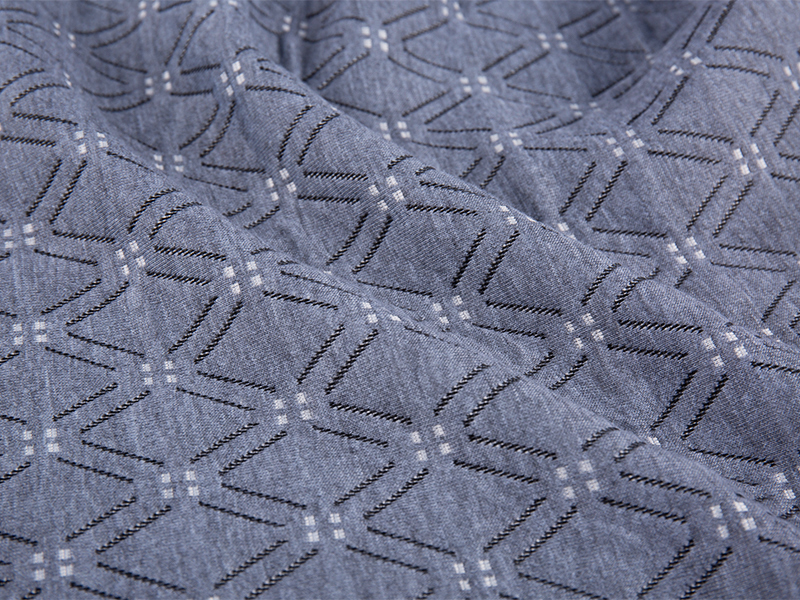
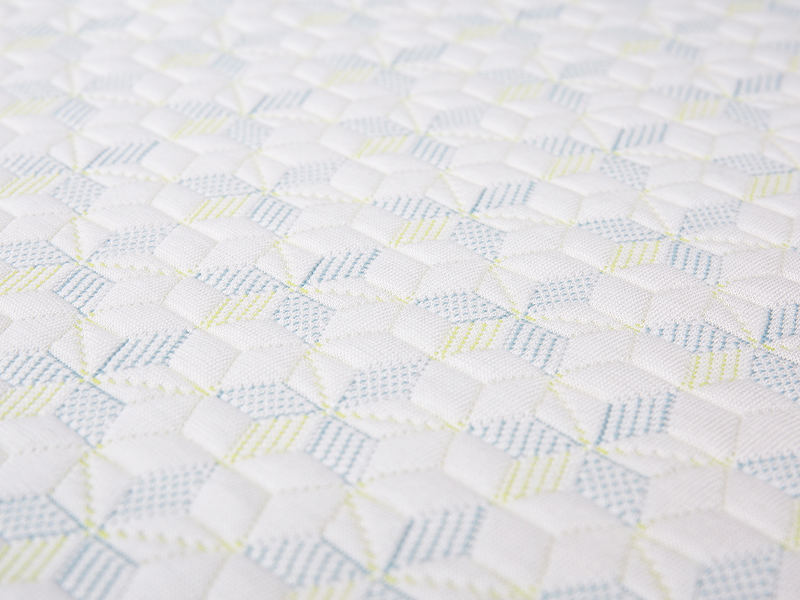
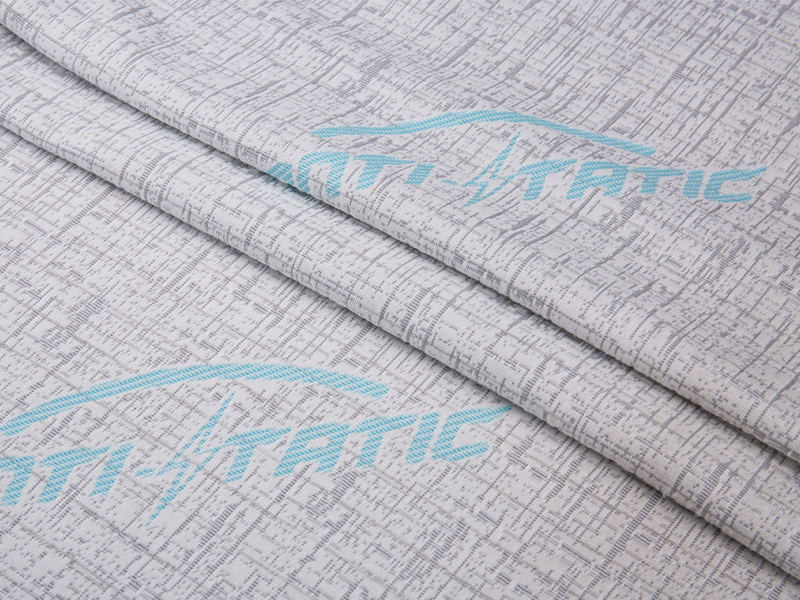
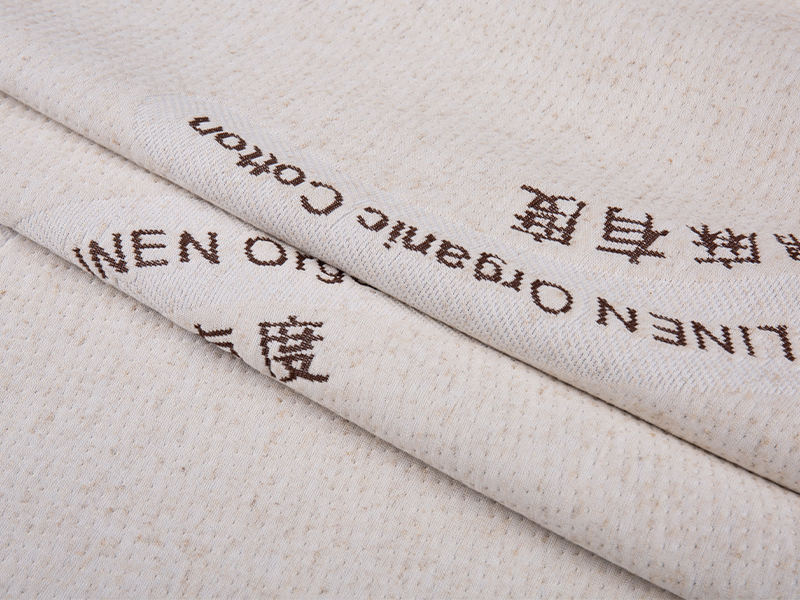
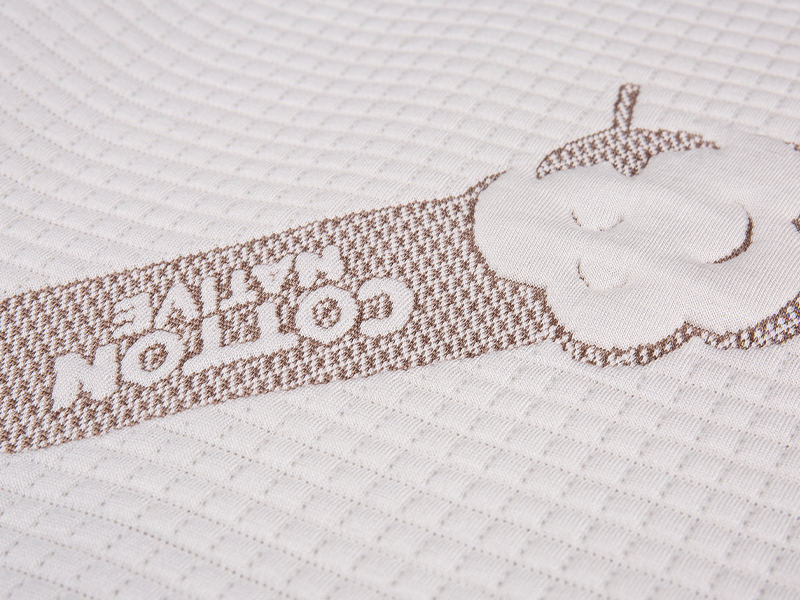
The safest and most effective mattress care routine starts with knowing your mattress fabric. Different ticking materials — the outermost layer of a mattress — have different tolerances for moisture, chemicals, and heat. Most high-quality mattress manufacturers use engineered knit or woven fabrics with specific functional properties built in.
| Fabric Type | Fabric Refresher Safe | Fabric Softener Safe | Notes |
|---|---|---|---|
| Knitted polyester ticking | Yes | Not applicable (cover only) | Most common; responds well to light misting |
| Cotton quilted pillow-top | Yes | Use sparingly if removable | Absorbs more moisture; longer drying time |
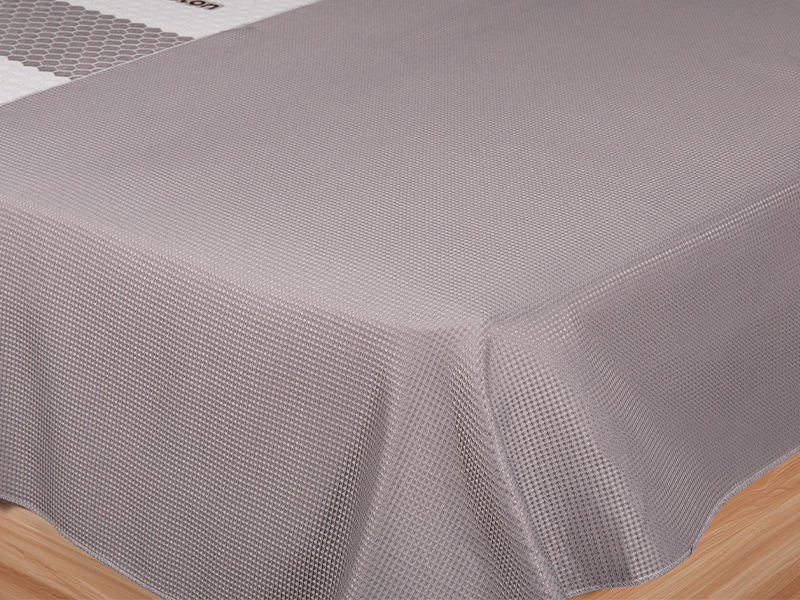
| Waterproof PUL protector | Yes (surface only) | No — degrades membrane | Avoid saturation; air dry recommended |
| Wool blend ticking | Yes (fragrance-free preferred) | No | Wool's natural lanolin resists odors; light misting only |
| Bamboo viscose cover | Yes | Avoid — reduces softness over time | Highly breathable; sensitive to strong chemicals |
Compatibility guide for common mattress fabric types and household cleaning products.
For premium mattress fabrics with phase-change material (PCM) coatings — used in cooling mattresses — avoid any spray product applied in volume. PCM microcapsules embedded in the fabric can be disrupted by chemical solvents present in some refresher sprays. A light mist of plain water or a fragrance-free, alcohol-free refresher is the safest option for these specialist fabrics.
A Practical Mattress Freshening Routine That Actually Works
Rather than relying solely on refresher sprays, combining methods gives longer-lasting odor control and extends the usable life of both the mattress and its protector. Here is a routine that works across most mattress fabric types:
Remove and wash all bedding including the mattress protector weekly at 40–60°C. This eliminates the bulk of sweat, skin cells, and dust mite allergens before they penetrate to the mattress surface.
Use an upholstery attachment to vacuum the entire sleep surface, seams, and sides. Studies from Aston University found a typical mattress can harbor up to 10 million dust mites — vacuuming reduces surface populations significantly.
Sprinkle a light, even layer of baking soda across the bare mattress surface. Leave for 2–4 hours (longer if possible), then vacuum thoroughly. Baking soda absorbs odors at a molecular level and leaves no residue or chemical risk to the fabric.
A light mist of Febreze Fabric Refresher applied to the mattress protector (while on the mattress) is the most practical way to manage odors day-to-day. Allow 20–30 minutes to dry before replacing sheets. Do not spray directly on mattress fabric more than once or twice per week.
On dry, sunny days, strip the mattress completely and open windows for 4–6 hours. UV light has mild antimicrobial properties and passive airflow reduces the moisture content inside foam and fiber layers — the root cause of most persistent mattress odors.