 English
 русский
 Español
 中文简体
中文简体
Article Directory
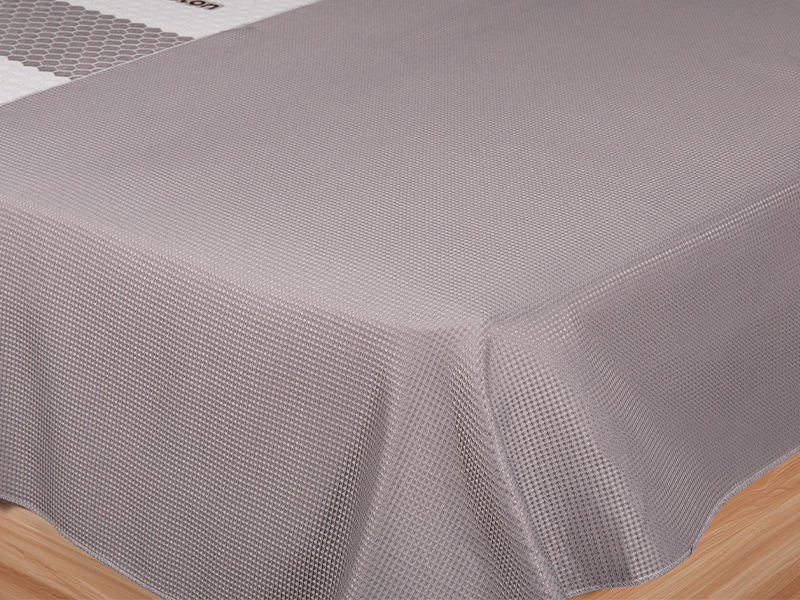
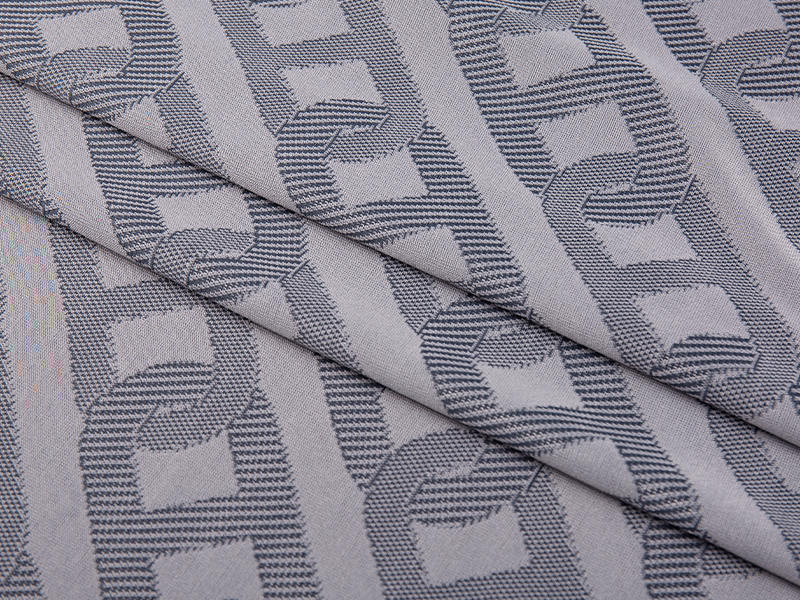
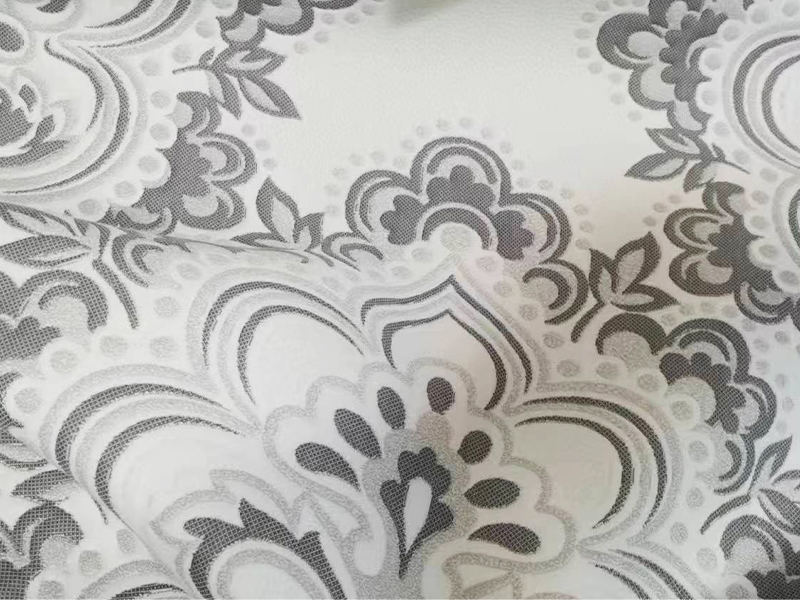
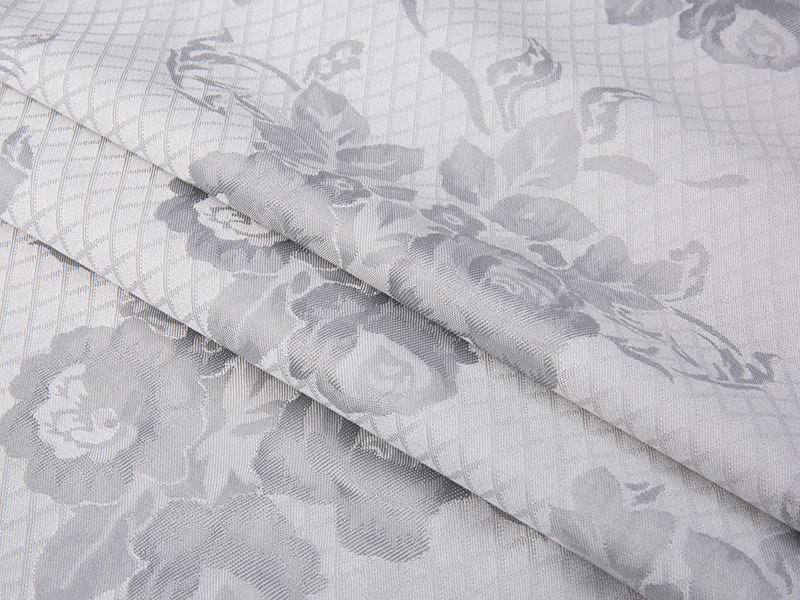
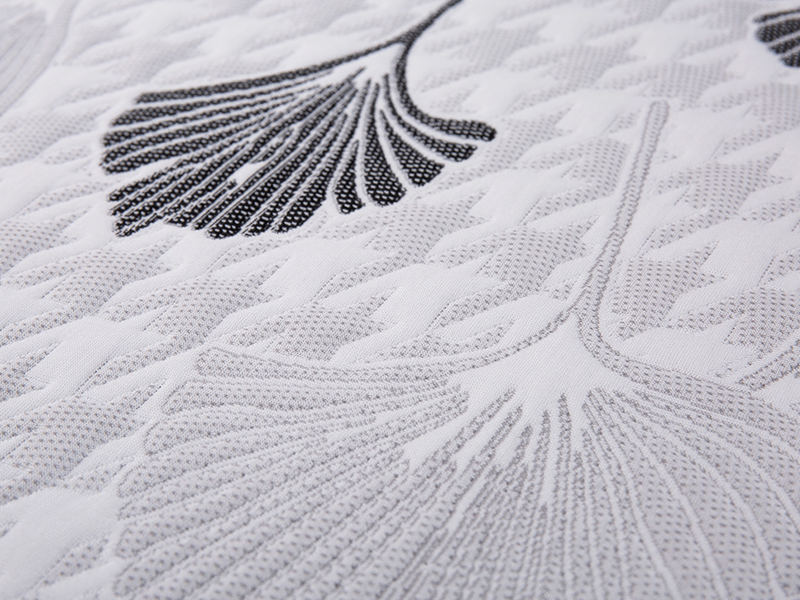
Mattress fabric is the outermost textile layer of a mattress — the ticking, border panels, and quilted top surface that encase the internal support and comfort layers. It is most commonly constructed from knitted polyester, woven polyester-cotton blends, natural cotton, or Tencel, and directly influences the sleeping surface's feel, breathability, durability, and ease of care. Mattress covers are generally machine washable when removable, fabric mattress toppers can be washed with proper care, fiberglass is present in some budget foam mattresses as a fire barrier, and tears in mattress fabric can be repaired at home using textile adhesive or patch kits.
What Is Mattress Fabric and What Types Are Used?
Mattress fabric — also called mattress ticking — must simultaneously meet comfort, durability, fire safety, and hygiene requirements while remaining cost-effective at scale. The fabric type used on a mattress affects how it feels to the touch, how well it regulates temperature, and how long it maintains its appearance and integrity under years of nightly compression and friction.
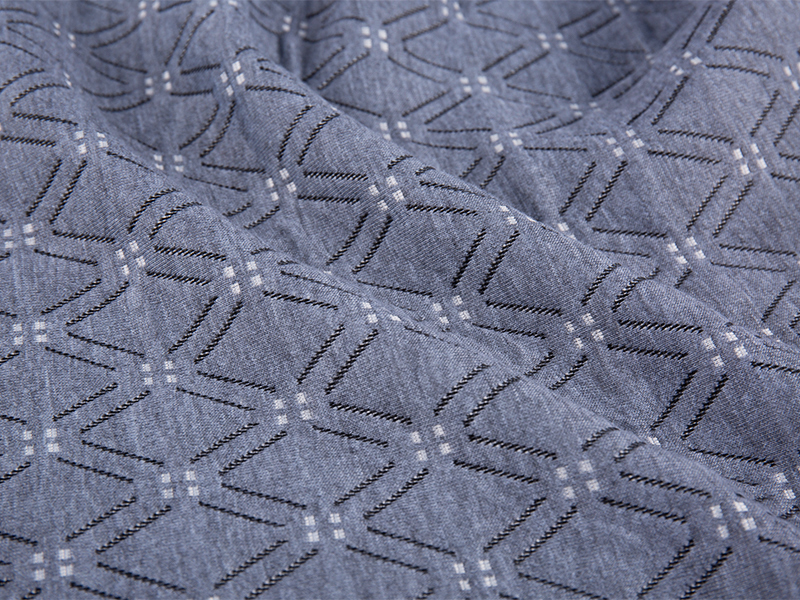
The primary fabric types used across the mattress industry are:
| Fabric Type | Construction | Key Properties | Typical Application |
|---|---|---|---|
| Knitted polyester | Weft-knit, often with spandex | Stretch, soft hand, low cost, durable | Mass-market innerspring and foam mattresses |
| Woven polyester-cotton | Plain or twill weave, 200–400 GSM | Smooth surface, breathable, dimensional stability | Mid-range mattresses, hotel contract supply |
| 100% cotton ticking | Woven plain or damask | Natural breathability, hypoallergenic, heavier | Premium and organic mattresses |
| Tencel (lyocell) | Woven or knitted | Moisture-wicking, soft, eco-derived from wood pulp | Cooling mattresses, eco-certified ranges |
| Wool blend | Woven with polyester or cotton | Natural temperature regulation, fire resistant | Luxury, latex, and natural fiber mattresses |
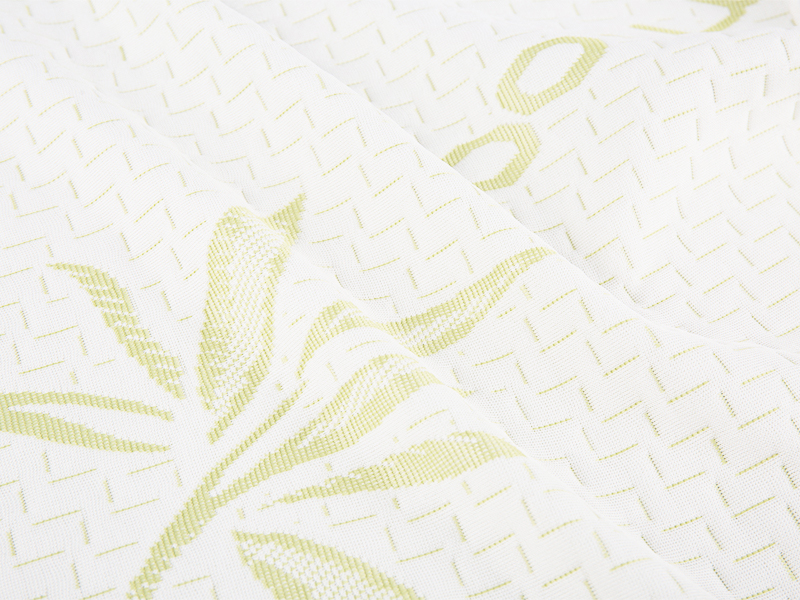
| Bamboo fabric | Knitted viscose-bamboo | Soft, antibacterial, moisture management | Hypoallergenic and cooling mattress ranges |
| FR (fire retardant) treated | Any base fabric with FR treatment or barrier | Passes mandatory flammability standards | All mattresses sold in regulated markets |
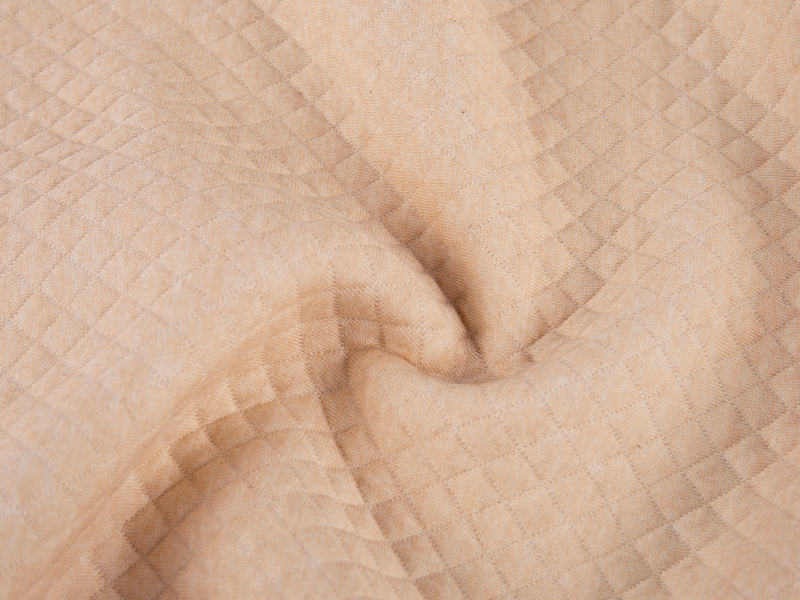
The quilted top panel — the portion of the mattress fabric visible and felt most directly during sleep — is typically a three-layer sandwich of face fabric, foam or fiber fill, and a backing fabric. The face fabric is bonded to a 5–25mm foam layer by flame-lamination or adhesive quilting, which creates the soft, cushioned surface texture associated with modern mattresses. Mattresses sold in the United States must comply with flammability standard 16 CFR Part 1633, and in the UK with BS 7177; the mattress fabric layer plays a direct role in achieving these certifications.
Do Mattresses Contain Fiberglass?
Yes — a significant number of budget and mid-range foam mattresses, particularly bed-in-a-box mattresses sold online, contain fiberglass as a fire barrier layer. This is an important fact for mattress owners to understand before removing a mattress cover or attempting any repair or washing procedure.
Fiberglass is used in mattresses as an inexpensive fire retardant. Regulatory flammability standards (16 CFR 1633 in the US, BS 7177 in the UK) require that mattresses resist catching fire for a defined period when exposed to an open flame. Wool, cotton batting, and chemical FR treatments are the alternatives, but fiberglass is substantially cheaper — which is why it appears in mattresses at price points below approximately $500–$800 USD.
The fiberglass layer in these mattresses is located inside the cover, typically beneath the outermost fabric ticking, as a sock or woven sleeve wrapped around the foam core. The outer fabric cover is intended to remain permanently in place to contain the fiberglass. Removing the outer cover — by unzipping it for washing or repair — can release microscopic fiberglass particles into the air and surrounding environment, causing:
- Skin irritation — fiberglass particles are sharp at the microscopic level and cause itching and rash on contact with skin
- Eye and respiratory irritation — airborne fiberglass particles are an inhalation hazard and can irritate mucous membranes
- Widespread contamination — fiberglass particles are near-invisible and extremely difficult to remove from bedding, carpeting, and soft furnishings once dispersed
To determine whether your mattress contains fiberglass, check the mattress label — US law requires fiber content disclosure. Warning phrases such as "do not remove cover," "inner cover contains glass fibers," or "dry clean only — do not wash" are strong indicators. Brand names commonly associated with fiberglass-containing mattresses include several large online-only foam mattress retailers; a web search of the specific brand and model plus "fiberglass" will typically surface user reports if applicable.
Mattresses that do not contain fiberglass use alternative fire barriers including:
- Wool batting — naturally flame-resistant; used in organic and premium mattresses
- Silica-treated rayon barrier — a flame-retardant nonwoven layer that does not shed hazardous particles
- Thistle FR fabric — a modacrylic and viscose blend barrier used in higher-quality foam mattresses
- Kevlar or carbon fiber barriers — found in specialist high-performance and military-specification mattresses
Are Mattress Covers Machine Washable?
Removable mattress covers — also called mattress protectors or encasements that sit over the mattress, or zip-off covers on some mattress models — are generally machine washable. Whether a specific cover can be machine washed depends on its construction, fill material, and the presence of waterproof membranes or special functional coatings.
Removable Zippered Mattress Covers
Many modern mattresses, particularly foam and hybrid models, feature a quilted zippered cover that can be removed for washing. Before washing, confirm the mattress does not contain fiberglass (see section above) — the manufacturer's care label will state "do not remove cover" or "do not wash" if fiberglass is present. For covers confirmed as safe to remove, the following washing guidelines apply:
- Temperature — wash at 40°C (cool to warm). Temperatures above 60°C can damage foam-laminated quilting layers, cause shrinkage of polyester-cotton blends, and deform waterproof membrane layers.
- Machine size — use a large-capacity front-loading washing machine (minimum 8kg drum capacity for a queen/king cover). Top-loading machines with agitators can damage quilted fabric and zipper hardware.
- Spin speed — 800–1,000 RPM maximum. High-speed spinning distorts quilted panels and can cause uneven distribution of fill material within the quilting.
- Detergent — use a standard mild detergent. Avoid bleach (bleach degrades polyester fiber and damages waterproof membranes) and fabric softener (coats functional fiber surfaces and reduces moisture-wicking performance).
- Drying — tumble dry on a low heat setting or air dry flat. Do not wring. Foam-laminated covers must be dried thoroughly before re-fitting — residual moisture trapped inside quilting layers can support mold growth.
Mattress Protectors and Encasements
Mattress protectors (non-quilted fitted sheet-style covers) and full encasements (zippered covers enclosing all six sides of the mattress) are designed for regular washing — typically every 1–2 months. Waterproof protectors with a polyurethane (PU) laminate backing should be washed at 40°C and tumble-dried on low; high heat degrades the PU membrane and causes the waterproof barrier to delaminate within 3–5 washes. Terry toweling mattress protectors (cotton face with PU backing) tolerate washing at 60°C on the cotton side but remain limited to low heat drying.
Can You Wash a Fabric Mattress Topper?
Yes, most fabric mattress toppers can be washed, but the method depends on the fill material and the topper's dimensions. Mattress toppers are available in several constructions, each with different care requirements:
| Topper Type | Fill / Construction | Machine Washable? | Recommended Method |
|---|---|---|---|
| Microfiber / polyester fiberfill | Quilted polyester shell with polyester fill | Yes | 40°C, large drum, low spin, tumble dry low |
| Cotton quilted | Cotton shell with cotton or wool fill | Yes (with care) | 30–40°C, gentle cycle, air dry flat |
| Memory foam | Solid foam slab with fabric cover | Cover only | Remove cover and wash separately; sponge clean foam only |
| Latex foam | Natural or synthetic latex with fabric cover | Cover only | Hand wash or gentle machine wash cover; do not machine wash latex |
| Wool | Wool batting in cotton casing | Dry clean recommended | Spot clean only; professional dry clean for full wash |
| Down / feather | Down fill in cotton ticking | Yes | 30°C, large drum, extra rinse cycle, tumble dry with dryer balls |
For king and super-king mattress toppers, home washing machines are often too small to accommodate the item without over-packing the drum — which causes inadequate rinsing and uneven distribution of fill material after drying. A commercial-capacity machine at a laundromat (10–14kg drum) is recommended for toppers in these sizes. After washing, ensure complete drying before use; a damp polyester fiberfill topper can develop mold within 24–48 hours of being enclosed in bedding.
How to Repair Mattress Fabric
Tears, snags, and worn patches in mattress ticking are a common maintenance issue — particularly along seams, border edges, and at zipper attachment points. Most mattress fabric damage can be repaired at home without specialist skills or tools, and repairing minor damage promptly prevents small tears from extending across larger panel areas.
Assess the Damage Before Attempting Repair
Before selecting a repair method, identify the damage type. Small tears under 30mm in length on flat panels can be repaired with fabric adhesive or iron-on patches. Larger tears, seam separations, and damage at stress points (corners, zipper edges, handle stitching) require hand sewing or machine stitching for a durable repair. Worn-through areas — where the face fabric has abraded completely and the underlying foam or fill is exposed — require a fabric patch overlay.
Small Tears and Snags: Fabric Adhesive Method
For cuts and tears up to 30mm that have clean edges and no missing fabric material:
- Clean and dry the repair area thoroughly — adhesive will not bond to damp or contaminated fabric
- Apply a small amount of flexible fabric adhesive (such as Copydex, Aleene's Fabric Fusion, or equivalent) to both edges of the tear using a fine applicator
- Press edges firmly together and hold for 60 seconds; place a flat weight over the repair and allow to cure for a minimum of 4 hours before use
- For added security on seam repairs, apply a thin bead of adhesive along the seam allowance on the inside of the cover if accessible
Larger Tears and Abraded Areas: Patch Repair Method
For tears longer than 30mm or worn-through areas where fabric is missing:
- Source a matching or closely coordinating fabric patch — self-adhesive iron-on repair tape in white, grey, or black coordinates with most mattress ticking
- Cut the patch at least 30mm larger than the damaged area on all sides, and round the patch corners to prevent lifting at the edges
- For iron-on patches, apply at the temperature specified for the patch product (typically 150°C) with firm pressure for 15–20 seconds; allow to cool completely before testing adhesion
- For sewn patches on removable covers, machine stitch around the patch perimeter using a matching thread color and a tight zigzag stitch to prevent fraying
Seam Separation Repair
Border panel seams and the seam joining the quilted top panel to the side border are high-stress areas that can separate with age or mechanical pressure. A separated seam should be re-sewn rather than glued — fabric adhesive does not provide sufficient tensile strength at a seam junction. Use an upholstery needle (size 18–22) and polyester upholstery thread, and stitch with a tight running stitch or backstitch along the original seam line. For inaccessible seams on non-removable covers, a curved upholstery needle allows hand stitching in constrained spaces.
Extending the Life of Mattress Fabric
Protecting mattress fabric from premature wear, staining, and moisture damage reduces the frequency of repairs and maintains the sleeping surface in better condition over the mattress's service life of 7–10 years:
- Use a mattress protector from day one — a waterproof mattress protector absorbs sweat, body oils, and accidental liquid spills before they reach the mattress ticking. An unprotected mattress absorbs approximately 500ml of moisture per night from perspiration alone, leading to gradual fabric degradation, staining, and odor.
- Rotate the mattress every 3–6 months — rotating head-to-foot distributes wear patterns evenly across the fabric surface, preventing localized compression and fabric thinning in the hip and shoulder zones.
- Vacuum the mattress surface quarterly — use an upholstery attachment to remove dust mite allergen, skin cells, and debris that accumulate in the quilted surface. The Asthma and Allergy Foundation of America recommends mattress vacuuming as a primary allergen control measure.
- Address stains immediately — blot (do not rub) fresh liquid stains with a clean absorbent cloth, then apply a small amount of cold water and mild detergent solution. Enzyme-based stain removers are effective on organic stains (sweat, blood, urine) and are safe for polyester and cotton mattress fabrics.
- Air the mattress when changing bedding — stripping the bed and leaving the mattress uncovered for 30–60 minutes allows accumulated moisture vapor to dissipate from the fabric surface, reducing the conditions that support dust mite and mold growth.