 English
 русский
 Español
 中文简体
中文简体
Article Directory
- 1 What is cotton mattress fabric and why is it widely used in bedding products?
- 2 What are the main applications of cotton mattress fabric in bedding industry?
- 3 What types of cotton mattress fabrics are commonly used?
- 4 What performance properties should cotton mattress fabric provide?
- 5 How does cotton mattress fabric compare with polyester mattress fabric?
- 6 How is cotton mattress fabric processed and finished?
- 7 What are the limitations of cotton mattress fabric?
- 8 What is the future trend of cotton mattress fabric in global bedding market?
- 9 FAQ
Every mattress hides its most important decision under the surface: the fabric that touches skin every night. Cotton mattress fabric remains the reference point for that decision across most of the bedding industry, valued less for novelty than for how consistently it performs night after night. This guide covers what the material is, where it works best, and where it has real limits.
What is cotton mattress fabric and why is it widely used in bedding products?
Cotton mattress fabric meaning, at its simplest, is a textile woven or knitted from natural cotton fiber and used to cover or line a mattress structure. Mattress ticking cotton fabric refers specifically to the outer layer that a sleeper actually touches, distinguishing it from internal padding or structural layers underneath.
As a bedding textile cotton material, its appeal comes down to a handful of properties that natural fiber delivers reliably: a natural mattress cover fabric breathes with body heat rather than trapping it, and a breathable mattress fabric cotton surface tends to feel cooler against skin than most synthetic alternatives across a full night of sleep.
Mattress manufacturers have relied on cotton ticking for generations largely because the fiber behaves predictably across a wide range of climates and sleeper body temperatures. Unlike some synthetic surfaces that can feel clammy once body heat builds up under a blanket, a cotton surface continues to wick moisture and release it into the surrounding air throughout the night. That consistency is part of why cotton remains the default reference material against which every newer mattress fabric, synthetic or blended, still gets compared.
What are the main applications of cotton mattress fabric in bedding industry?
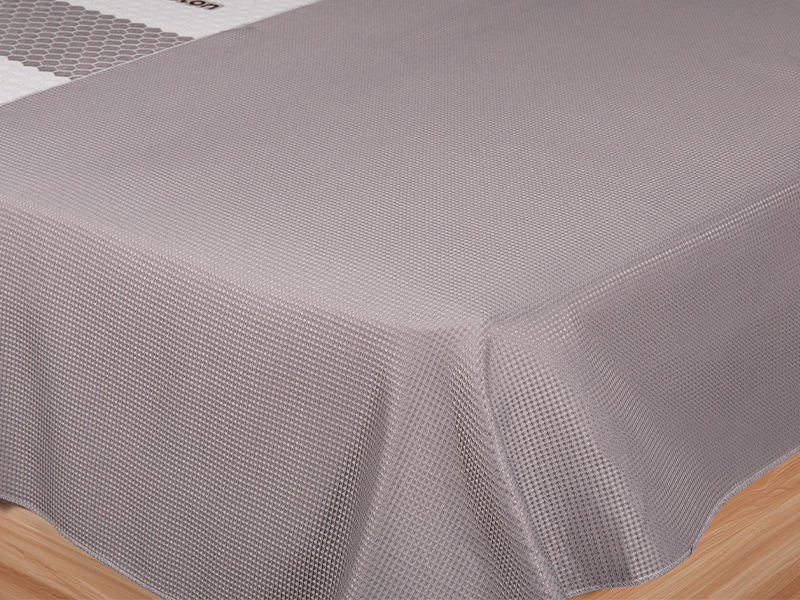
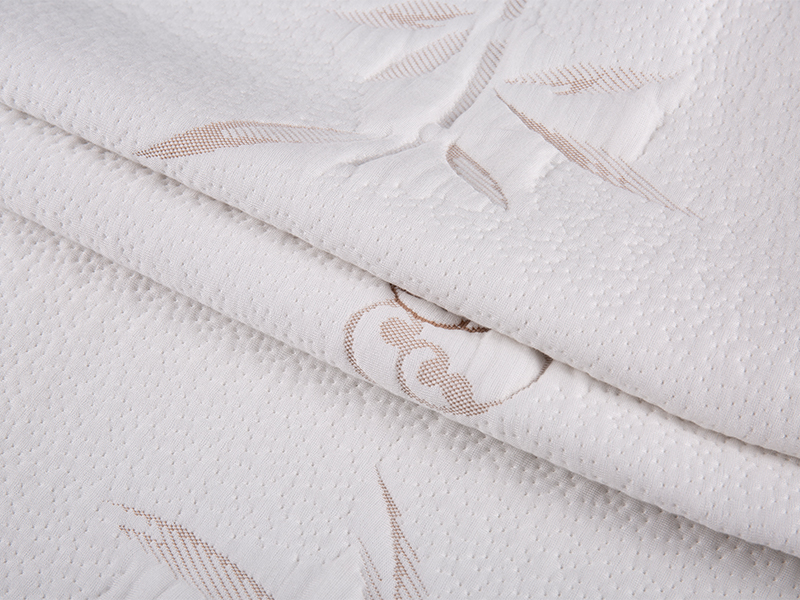
Mattress cover fabric cotton shows up most visibly as the top panel a sleeper lies directly against, but its use extends well beyond that single layer. Mattress ticking fabric also wraps the sides and base of many mattress constructions, tying the whole surface together into one consistent material.
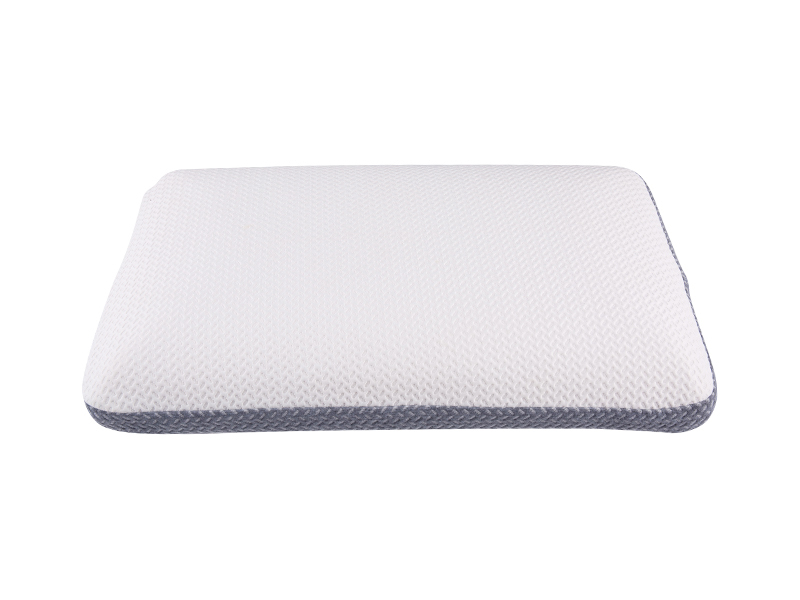
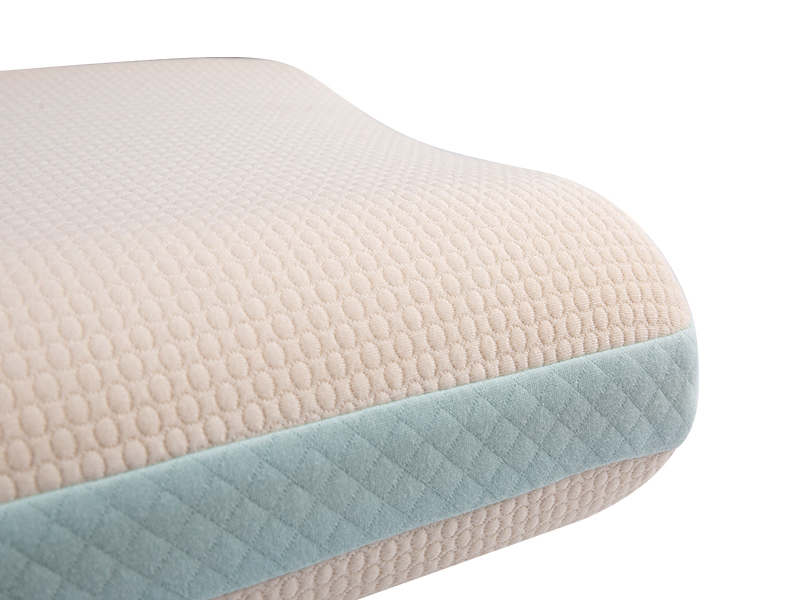
Bed mattress upholstery fabric applications include quilted top panels stitched directly to foam or fiber fill layers, giving the mattress its finished look as well as its feel. Pillow and bedding textile fabric made from the same cotton base often accompanies a mattress line so the full sleep surface, from pillow to cover, shares a consistent hand feel. Across the broader home textile mattress material category, manufacturers favor cotton specifically for products marketed on comfort and natural material claims rather than price alone.
Hospitality mattresses lean on cotton ticking for a different reason than residential buyers do: guests judge a hotel bed largely on first touch, and a cotton-topped mattress reads as higher quality within seconds of lying down, regardless of what padding sits underneath it. Residential mattress lines aimed at premium or natural-material market segments follow similar logic, positioning cotton ticking as a visible, tactile signal of overall product quality even when the majority of a mattress's comfort actually comes from the foam or coil layers beneath the surface.
Quilted top panels also serve a functional role beyond appearance, since the stitching pattern that holds fill material in place has to work with the fabric rather than against it. Cotton's stability under a sewing needle, combined with its resistance to puckering when quilted at high speed on production lines, is one of the less visible reasons manufacturers continue to specify it for top panels even as synthetic alternatives have improved in other respects.
What types of cotton mattress fabrics are commonly used?
Cotton mattress ticking is not a single product but a category, and the construction method changes how it performs once it is stitched onto a mattress.
| Fabric Type | Construction | Typical Feel |
| Plain weave cotton fabric | Simple over-under weave | Crisp, even surface |
| Knitted cotton mattress fabric | Looped knit construction | Stretch, soft drape |
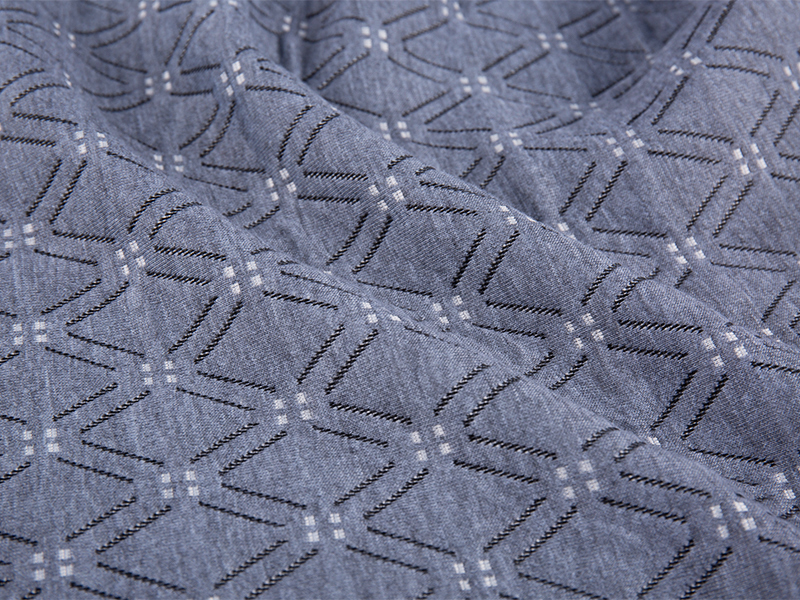
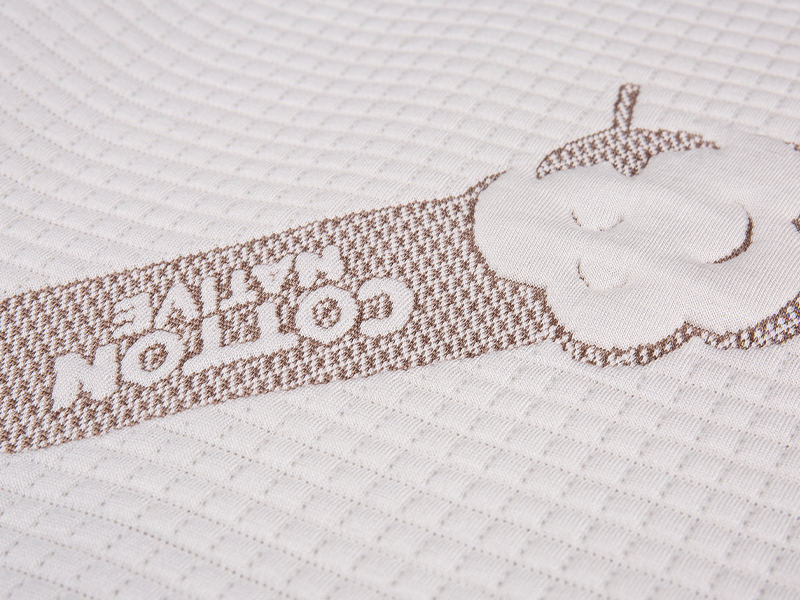
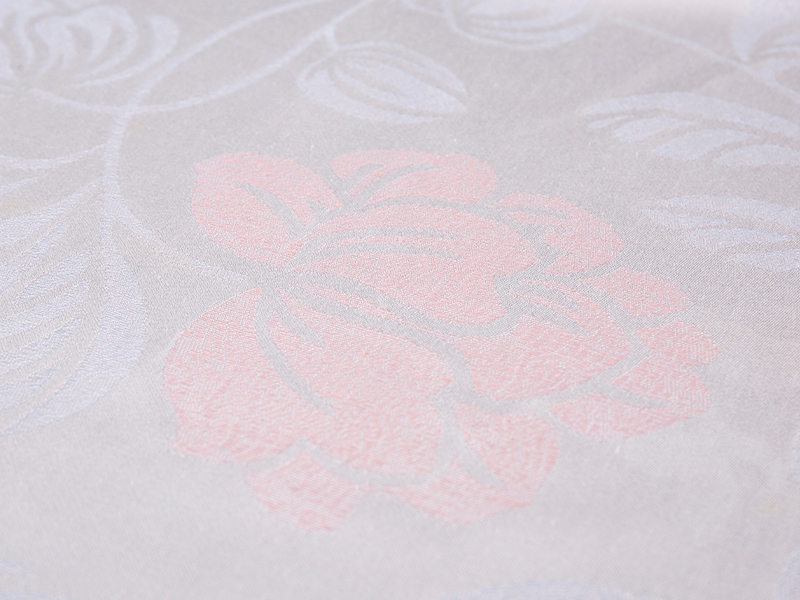
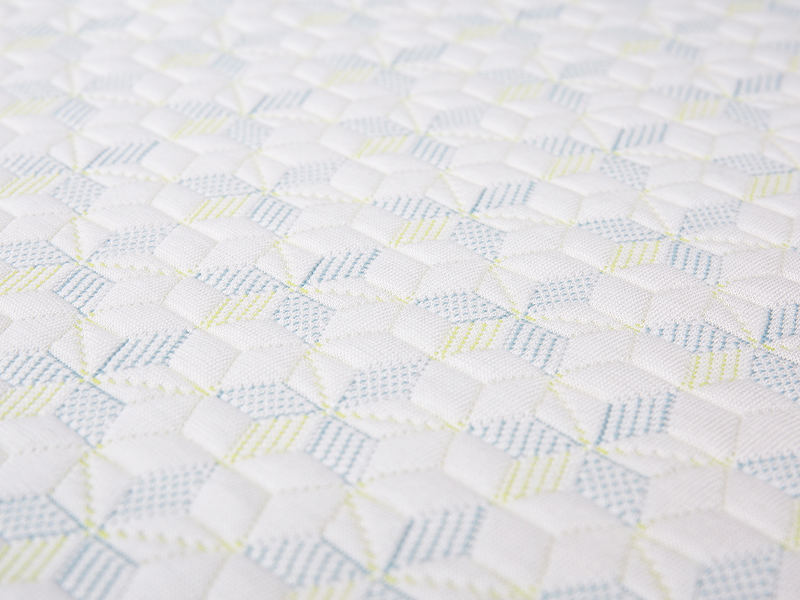
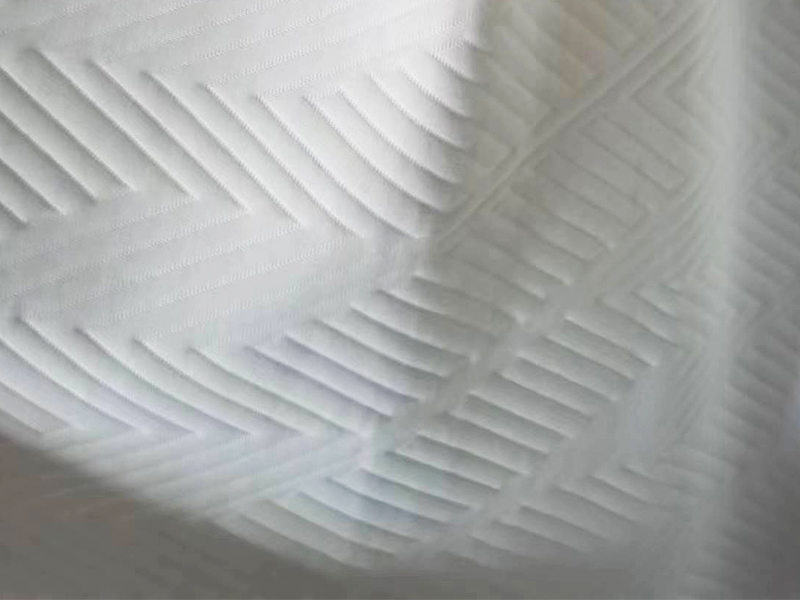
| Jacquard mattress ticking fabric | Patterned woven texture | Structured, decorative |
| Brushed cotton fabric | Napped surface finish | Warm, plush touch |
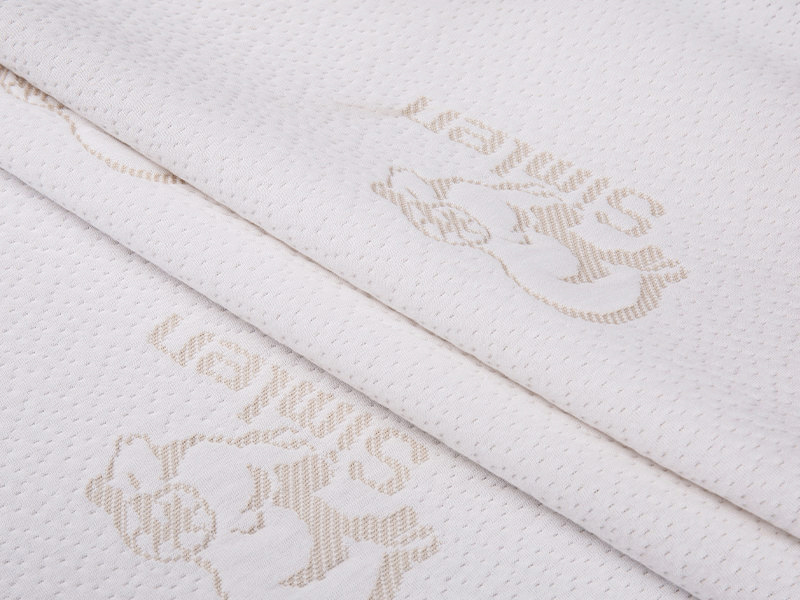
| Organic cotton mattress fabric | Untreated fiber source | Natural, unbleached feel |
Choosing between knitted vs woven cotton mattress fabric usually comes down to whether a manufacturer wants the stretch and flexibility of a knit construction, which conforms more closely to quilting patterns, or the dimensional stability of a traditional weave, which tends to hold sharper printed and jacquard detail.
Weight and finish add further variation within each construction type. A brushed cotton fabric adds a napped, insulating surface favored in cooler climate bedding lines, while an organic cotton mattress fabric appeals to buyers prioritizing unbleached, minimally processed material over decorative texture. Jacquard mattress ticking fabric sits at the premium end of the category, since the woven pattern itself signals a higher production cost compared with a plain weave surface that relies on printing rather than structural texture for visual interest.
What performance properties should cotton mattress fabric provide?
A breathable mattress fabric needs to move air and moisture away from the body rather than holding heat against the sleeping surface through the night. Moisture absorption cotton fabric is one of the material's defining strengths, since cotton fiber can absorb a meaningful share of its own weight in moisture before feeling damp to the touch.
- Soft touch mattress textile quality depends heavily on thread count and finishing, not on fiber content alone.
- Durable bedding fabric cotton needs a tight enough weave to resist pilling under the friction of nightly use and washing.
- Skin friendly textile material properties matter most for sensitive skin, where synthetic fibers can sometimes cause irritation that cotton avoids.
These properties interact rather than operating independently of each other. A tightly woven, well-finished cotton fabric holds onto softness and durability at the same time, while a poorly finished one can feel scratchy despite being technically the same fiber content. Moisture handling and breathability also work together across a full night of sleep: fabric that moves air well helps evaporate the moisture it has already absorbed, which is part of why higher-quality cotton ticking tends to feel dry to the touch even hours into use.
How does cotton mattress fabric compare with polyester mattress fabric?
The cotton vs polyester mattress fabric decision mirrors a broader natural vs synthetic bedding fabric tradeoff that runs across the whole textile industry. Cotton generally wins the breathability comparison fabric category, since its fiber structure allows air and moisture to pass through more readily than a synthetic equivalent.
Polyester tends to hold a durability fabric comparison advantage in raw abrasion resistance and resists wrinkling far better, but comfort textile materials made from cotton are consistently rated higher for how they feel against skin over a full night. Many mattress manufacturers blend the two, using cotton for the sleeper-facing panel and a more durable synthetic backing underneath.
Climate plays a large role in which side of this comparison matters more to a given buyer. Warmer, more humid regions tend to favor cotton's breathability advantage strongly enough to accept its higher price and greater wrinkle tendency, while budget-focused or high-turnover settings, such as rental furnishing or short-stay accommodation, often lean toward polyester or cotton-polyester blends for their lower cost and easier upkeep. Blended ticking fabrics are frequently positioned as a middle ground, aiming to retain a meaningful share of cotton's surface comfort while gaining some of polyester's durability and shrink resistance.
How is cotton mattress fabric processed and finished?
The fabric weaving process cotton mills use starts with spun cotton yarn fed through a loom or knitting machine to build the base cloth structure before any finishing begins. Dyeing mattress fabric process steps then set the base color, usually applied before quilting or lamination to any padding layer.
Anti-bacterial fabric treatment is common on mattress-specific cotton, added specifically because bedding sits in prolonged skin contact night after night. Soft finishing textile process steps mechanically or chemically relax the woven structure to improve hand feel before the fabric ever reaches a mattress ticking production line, where it is cut, quilted, and assembled onto the mattress core.
Pre-shrinking is one of the more consequential finishing steps in the whole sequence, since a cotton fabric that has not been properly stabilized before assembly can shrink noticeably once the finished mattress reaches a customer's home and gets its first wash-related exposure to moisture through spills or humidity. Quality-focused manufacturers typically run cotton ticking through a controlled shrinkage process before cutting, which keeps the finished mattress cover dimensionally stable for the life of the product rather than loosening or puckering after the fabric's first real exposure to moisture.
What are the limitations of cotton mattress fabric?
Shrinkage cotton fabric is a real concern if the material is not pre-treated before assembly, since untreated cotton can shrink measurably after its first exposure to heat or moisture. A wrinkle prone textile material is another practical tradeoff, since cotton creases more readily than a synthetic-blend cover under repeated use.
Cost is often higher for natural fiber compared with synthetic alternatives at equivalent weight and quality, which shows up directly in finished mattress pricing. Moisture sensitivity fabric properties mean cotton can hold onto spills or humidity longer than a treated synthetic surface, and durability limitations cotton textile faces include faster wear under heavy friction compared with more abrasion-resistant synthetic weaves. None of these limitations rule cotton out for most bedding applications, but each is worth weighing against the specific use case and climate involved.
Most of these drawbacks can be managed rather than avoided outright. Pre-shrunk, well-finished cotton ticking largely solves the shrinkage problem before it ever reaches a finished mattress, and a tighter weave reduces wrinkling compared with a looser, lower thread count fabric. The cost premium over synthetic alternatives is the one limitation that finishing cannot fully offset, which is why cost-sensitive product lines often reserve cotton for the visible top panel while using more economical materials for the sides and base of the mattress.
What is the future trend of cotton mattress fabric in global bedding market?
The organic cotton bedding trend has moved from a specialty niche toward a standard product tier at most major bedding manufacturers, driven by consumer demand for verified natural material sourcing. Sustainable mattress fabric claims are increasingly backed by certification rather than marketing language alone.
Eco-friendly home textile materials built around lower-water, lower-pesticide cotton farming methods are expanding across supply chains as growers respond to buyer pressure.
Traceability has become as important to buyers as the sustainability claim itself, pushing more of the bedding industry toward supply chains where the cotton's growing region and processing steps can be verified rather than simply stated on a label. Green bedding industry growth continues to track broader sustainability trends in home textiles generally, and recycled textile integration, blending recycled fiber content with virgin cotton, is becoming more common in mattress covers positioned as environmentally conscious. Buyers researching cotton mattress fabric today are increasingly likely to see sustainability credentials listed alongside thread count and weave type.
 |
 |
FAQ
What is cotton mattress fabric?
It is a natural fiber textile, woven or knitted from cotton, used as the outer covering or ticking layer on a mattress.
Is cotton good for mattress cover?
Yes, particularly for breathability and skin comfort, though it wrinkles more easily and costs more than synthetic alternatives.
Does cotton mattress fabric shrink?
Untreated cotton can shrink after initial exposure to heat or moisture, which is why most mattress-grade cotton is pre-treated before assembly.
Is cotton mattress fabric breathable?
Yes, cotton's fiber structure allows air and moisture to move through the fabric more readily than most synthetic equivalents.
What is mattress ticking fabric?
It is the outer fabric layer of a mattress, the surface a sleeper directly touches, which can be made from cotton, polyester, or a blend of both.
Which is better cotton or polyester mattress fabric?
Cotton generally offers better breathability and comfort, while polyester offers better durability and wrinkle resistance, so the better choice depends on priorities.