 English
 русский
 Español
 中文简体
中文简体
Article Directory
Choosing Woven Jacquard Fabric means evaluating far more than the pattern visible on the surface. Because the design is woven directly into the fabric structure rather than printed onto it, the fiber content, yarn dye method, and weave density all influence how the fabric performs once it becomes a curtain, a sofa cover, or a garment. Home textile manufacturers, furniture producers, apparel brands, and textile distributors each approach jacquard sourcing with different priorities, yet all face the same underlying question: does this fabric's construction match the stress and appearance requirements of the finished product. This guide breaks down the main fabric types available under the jacquard category, the applications each type serves best, the performance properties worth requesting data on before ordering, and the weaving and finishing steps that shape final quality. Reading it end to end should leave a sourcing team able to write a clearer, more specific fabric brief.
Types of Woven Jacquard Fabric
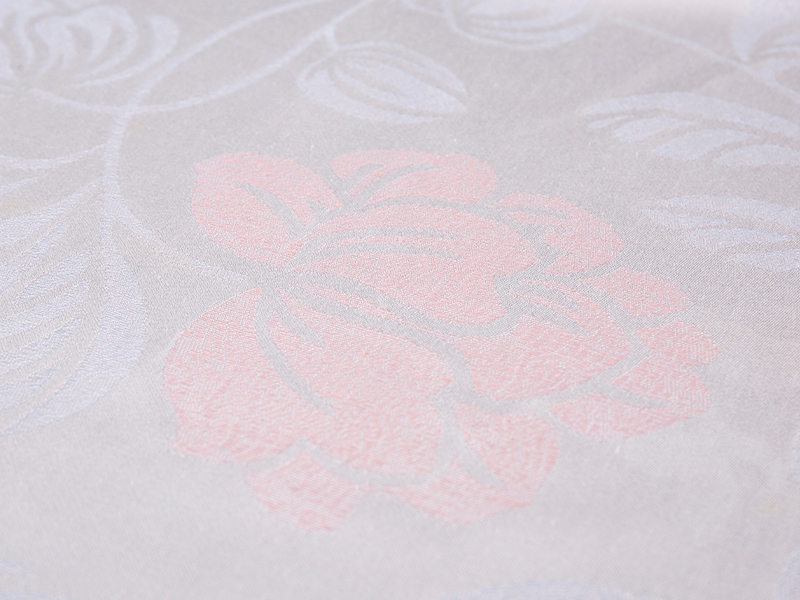
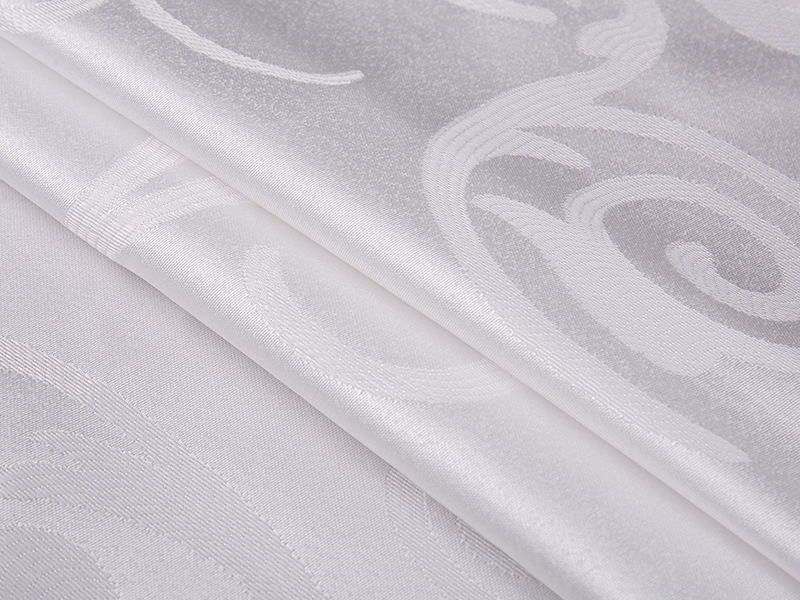
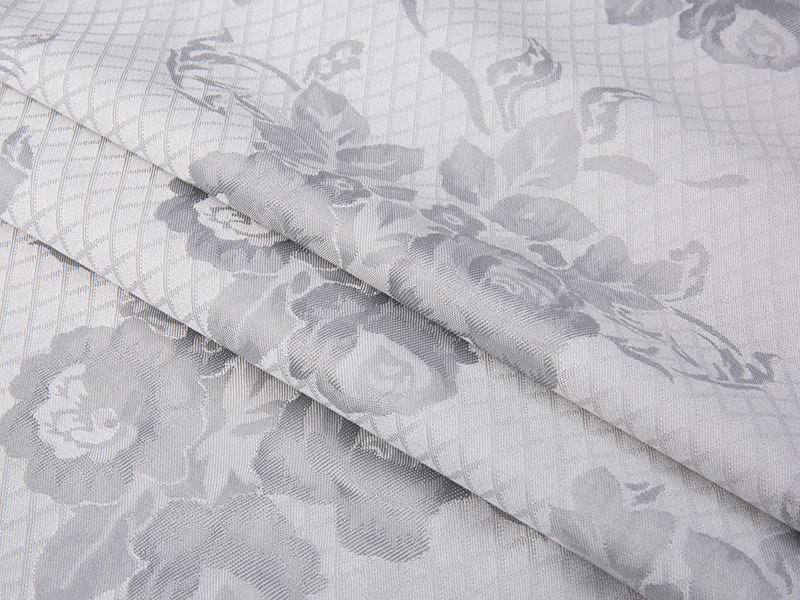
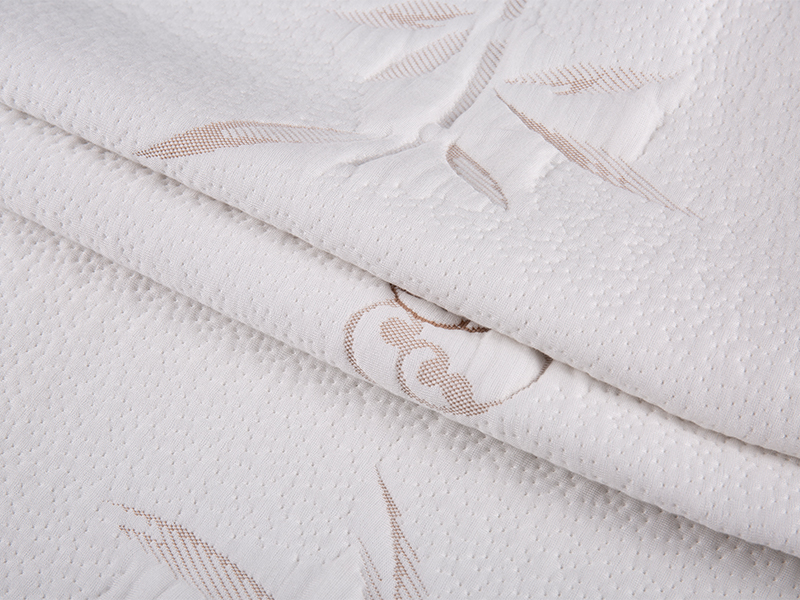
Jacquard fabric is defined by its weaving method rather than by a single fiber type, which means Woven Jacquard Fabric spans a wide range of fiber compositions, weights, and finishes. A jacquard loom raises and lowers individual warp yarns independently, which allows complex patterns, textures, and even multiple colors to be built into the weave structure itself, rather than applied afterward.
Polyester Jacquard Fabric
Polyester woven jacquard fabric is valued for dimensional stability, resistance to stretching, and consistent color retention across production batches. It is a common choice where wrinkle recovery and shape retention matter more than natural fiber hand-feel, such as upholstery and curtain lines.
Cotton Jacquard Fabric
Cotton woven jacquard fabric offers a softer, more breathable hand-feel, making it a frequent choice for apparel and bedding applications where skin contact and drape are priorities over maximum durability.
Beyond fiber content, jacquard fabric is also categorized by function. Jacquard upholstery fabric is typically woven at a higher gsm with tighter yarn density to withstand seating pressure and friction, while decorative jacquard fabric is often lighter weight and selected primarily for pattern depth in cushions, throws, and wall panels.
Heavier, densely woven constructions engineered for seating durability and pattern longevity under repeated use.
Lighter weight, pattern-forward constructions suited to cushions, throws, and accent pieces.
Woven from pre-dyed yarns, giving the pattern additional depth and a more textured, tonal appearance than piece-dyed alternatives.
For buyers narrowing supplier options, requesting a construction spec sheet alongside a physical swatch is the most reliable way to confirm whether a given Woven Jacquard Fabric matches the intended product category, since visual pattern alone does not indicate weight, weave density, or fiber blend.
Applications of Woven Jacquard Fabric
The woven construction of jacquard fabric gives it a distinct advantage over printed alternatives in applications where pattern needs to survive heavy handling, repeated washing, or years of visible wear, since the design cannot peel, crack, or fade the way a surface print can.
A woven jacquard pattern is built into the fabric's structure, not applied on top of it, which is why the design remains visible and intact even as the surface fibers wear over years of use.
Jacquard Curtain Fabric
Woven jacquard fabric for curtains offers a more substantial drape and a richer surface texture than flat printed alternatives, and holds its pattern under prolonged light exposure since the design is not a surface coating.
Jacquard Sofa and Upholstery Fabric
Woven jacquard fabric for sofa and upholstery applications is generally selected at higher gsm with tighter weave density, since seating surfaces experience continuous friction that flat weaves handle less effectively over time.
Cushion Cover Fabric
Woven jacquard fabric for cushion covers combines decorative appeal with enough structural stability to hold a piped seam or zipper closure without fraying at the edge.
Home Textile Fabric
Beyond curtains and sofas, jacquard home textile fabric extends to table runners, bed throws, and headboard panels, where a coordinated pattern across a product line is often the primary selection driver.
Fashion Jacquard Fabric
Fashion jacquard fabric is used across outerwear, structured garments, and accessories, where woven-in pattern offers a more premium visual and tactile quality than screen-printed textile alternatives.
Matching Woven Jacquard Fabric to its application early in the design process reduces sampling cycles and helps avoid mismatches between a fabric's decorative appeal and its functional durability once it reaches production.
Key Performance Properties Buyers Should Evaluate
Selecting jacquard fabric on pattern alone is a common sourcing mistake. The following properties determine how the fabric will perform once it moves from sample swatch to finished, shipped product.
Durable Woven Jacquard Fabric
Durable woven jacquard fabric depends heavily on weave density and yarn strength, both of which are influenced by fiber choice and loom setting. Buyers should request abrasion test results, most commonly generated through the Martindale method, and evaluate them against the expected service conditions of the finished product rather than treating any single number as a universal benchmark.
Heavy Weight Jacquard Fabric
Heavy duty jacquard upholstery fabric is generally specified within a higher gsm range to withstand seating pressure and repeated friction, while lighter weight jacquard remains preferable for curtains and apparel where excess weight would compromise drape. Matching gsm to application is one of the fastest ways to eliminate unsuitable fabric options during initial sourcing.
Colorfast Woven Jacquard Fabric
Colorfast woven jacquard fabric is especially important for yarn dyed constructions, since the visual pattern depends on maintained contrast between colored yarns. Colorfastness is typically graded on a standardized grey-scale rating, and buyers sourcing for light-exposed applications such as curtains should request this rating directly from the supplier.
Abrasion Resistant Jacquard Fabric
Abrasion resistant jacquard fabric is particularly relevant for upholstery, where the surface pattern needs to remain visually intact after years of contact and friction. Because jacquard patterns are woven rather than printed, well-constructed jacquard fabric tends to show wear more gradually and evenly than printed alternatives, though actual performance still depends on the specific weave density and fiber blend used.
As with any multi-property specification, trade-offs are common. A construction optimized for maximum abrasion resistance through very tight, heavy weaving may sacrifice some of the drape needed for curtain or apparel use, so buyers should rank the two or three properties most critical to their specific product before finalizing a spec, rather than searching for a single fabric that scores highest on every metric at once.
Weaving and Finishing Considerations
The quality of a finished Woven Jacquard Fabric is shaped as much by the weaving and finishing process as by the raw yarn used to produce it.
Jacquard weaving techniques rely on a punch-card or computer-controlled system that lifts individual warp yarns to create the pattern, allowing far greater design complexity than standard dobby or plain looms. This control also means production speed is generally slower than simpler weave types, since each pattern repeat requires more precise yarn manipulation.
Yarn dyed jacquard fabric is produced by dyeing yarns before weaving rather than dyeing the finished cloth, which allows multiple colors to appear within a single pattern repeat and typically produces a more tonal, textured surface appearance than piece-dyed fabric.
| Inspection Point | What It Confirms |
| Pattern Registration | Design repeat aligns correctly across the fabric width |
| Weave Density | Yarn count matches the agreed construction specification |
| Color Consistency | Shade matches approved standard across the full roll |
| Surface Finish | Hand-feel and finishing treatment meet the sample approved |
Finished jacquard fabric quality inspection should cover each of these points before a bulk order ships, since issues such as pattern misalignment or shade variation are far easier to correct at the loom stage than after cutting and sewing into finished goods.
FAQ
What is woven jacquard fabric?
Woven jacquard fabric is a textile produced on a jacquard loom, which weaves pattern directly into the fabric structure by controlling individual warp yarns, rather than applying a design to the surface afterward.
How is woven jacquard fabric made?
Woven jacquard fabric is made using a jacquard loom that raises and lowers individual warp yarns according to a programmed pattern, allowing complex designs and multiple colors to be woven into the cloth itself.
What is woven jacquard fabric used for?
Woven jacquard fabric is used across curtains, upholstery, cushion covers, bedding, table linens, and apparel, wherever a durable, woven-in pattern is preferred over a printed surface design.
Is woven jacquard fabric durable?
Durability depends on fiber content, weave density, and gsm. Well-constructed woven jacquard fabric generally performs strongly in abrasion and pattern longevity compared with printed fabric, since the design will not peel or crack over time.
What is the difference between jacquard and printed fabric?
Jacquard fabric has its pattern woven directly into the fabric structure, while printed fabric has a design applied to the surface of a plain woven or knitted base. Woven patterns generally hold up better under repeated wear and washing.
Can woven jacquard fabric be customized?
Yes. Woven jacquard fabric can be customized through fiber blend, yarn dye color, weave density, and pattern design, allowing manufacturers to align fabric specifications with a specific product line or collection brief.
Final Thoughts
Selecting the right Woven Jacquard Fabric comes down to matching fiber type and weave construction to the functional demands of the intended application, then confirming performance properties such as durability, weight, and colorfastness against those requirements. An application-first approach to fabric selection helps manufacturers, brands, and distributors reduce sourcing risk and deliver consistent pattern and quality across home textile, upholstery, and fashion product categories.