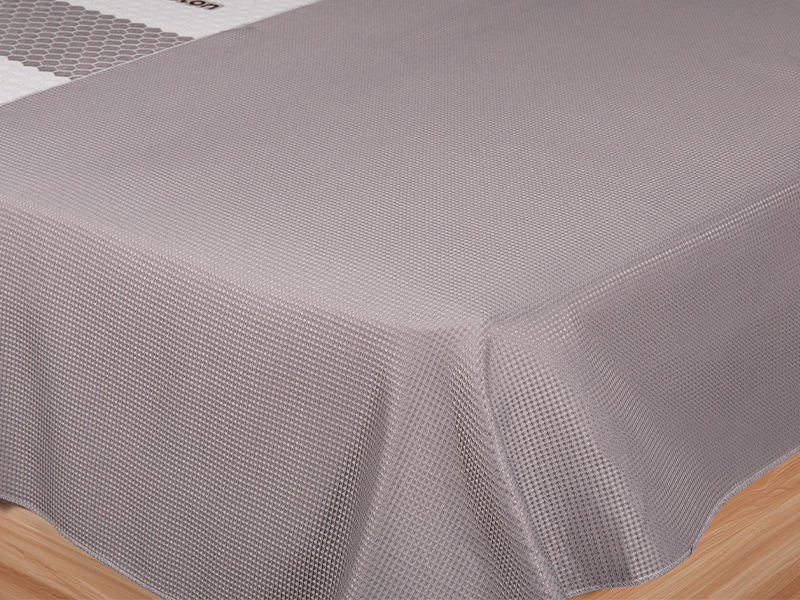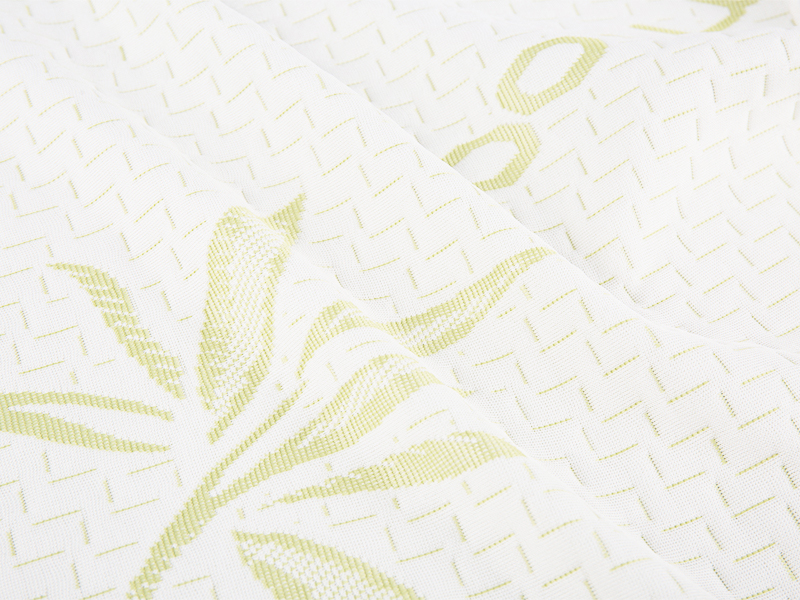
 English
 русский
 Español
 中文简体
中文简体
Article Directory
Quick answer: Mattress fabric refers to all textile layers covering a mattress — most importantly the ticking, which is the outermost woven or knitted shell. It can be cleaned with mild detergent and cold water, fabric spray is safe to use in small amounts when properly diluted, and standard mattress sizes have remained largely stable for decades though minor dimension shifts have occurred between brands. This guide covers every key question in practical detail.
What Is Mattress Ticking Fabric?
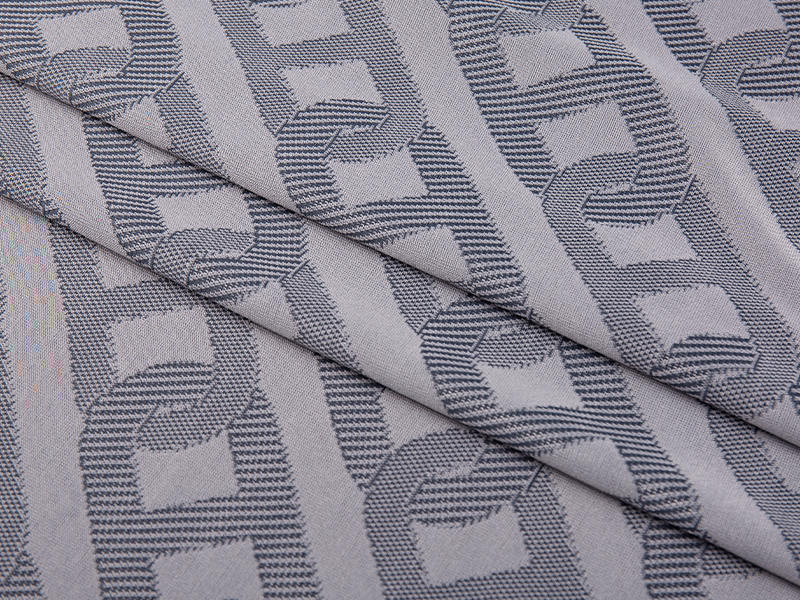
Mattress ticking is the outermost fabric cover sewn directly over the mattress core — whether that core is innerspring coils, memory foam, latex, or a hybrid. The term originally referred to a tightly woven cotton fabric used to contain feathers and down in old-fashioned tick mattresses, but today it describes any engineered textile used as a mattress shell.
Modern mattress ticking serves four simultaneous functions: structural containment of internal materials, a surface comfortable enough for direct skin contact, airflow management, and visual presentation at the point of sale. High-end mattress brands invest heavily in ticking, as it is the first and most tactile impression a buyer has of the product.
Common Mattress Ticking Fabric Types
| Fabric Type | Construction | Key Properties | Typical Use |
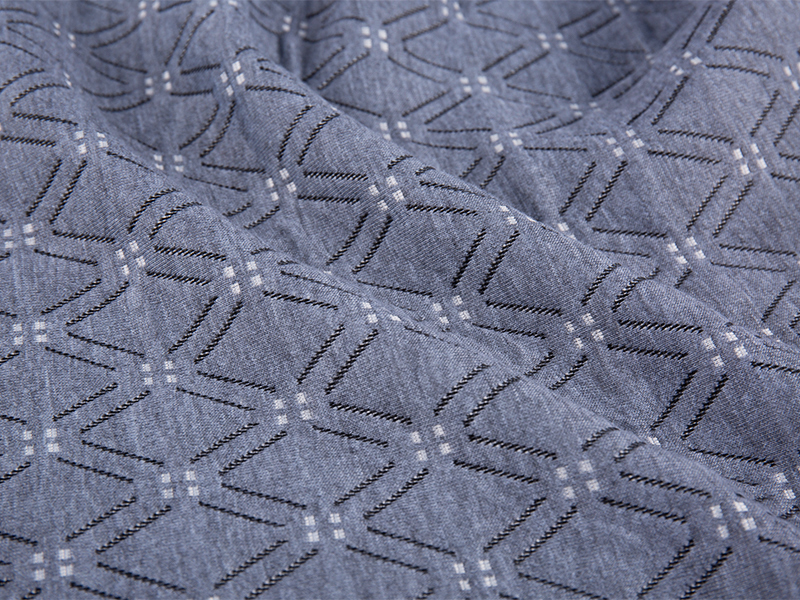
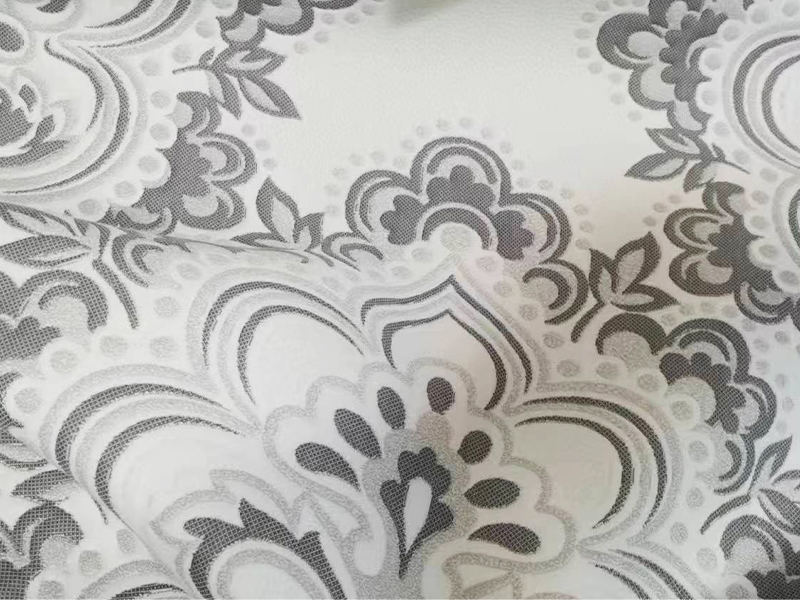
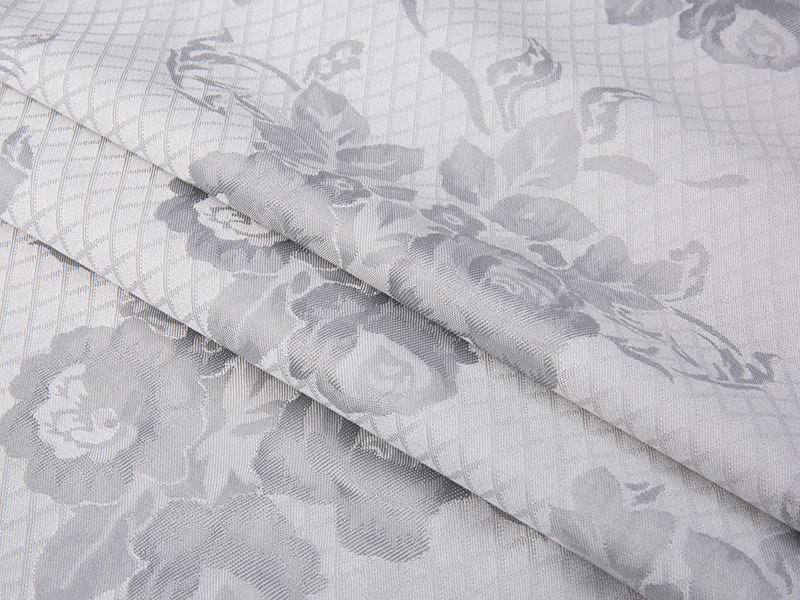
| Damask (woven jacquard) | Tightly woven polyester or cotton-poly | Durable, decorative patterns, firm hand feel | Traditional innerspring mattresses |
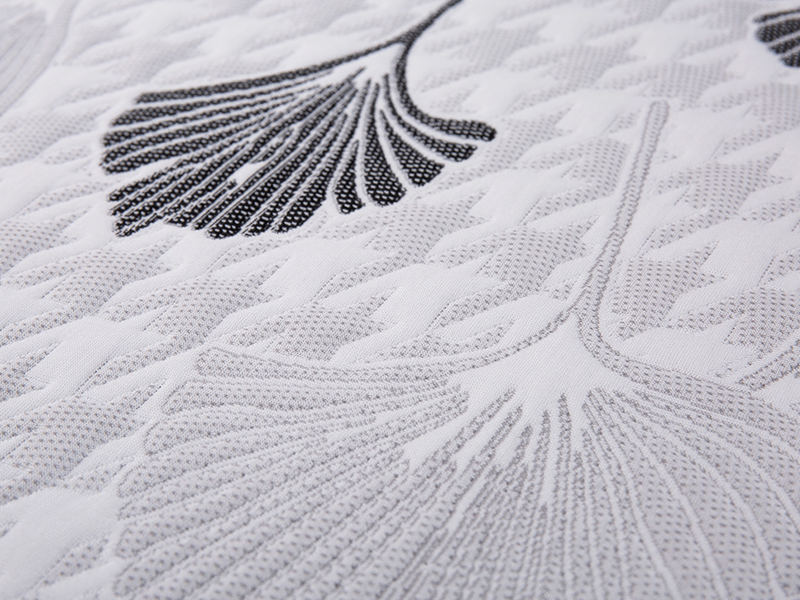
| Knitted stretch fabric | Circular or warp-knit polyester blend | Soft, conforms to body contours, breathable | Memory foam and hybrid mattresses |
| Microfiber | Ultra-fine polyester filaments | Smooth surface, moisture-wicking, lightweight | Budget to mid-range foam mattresses |
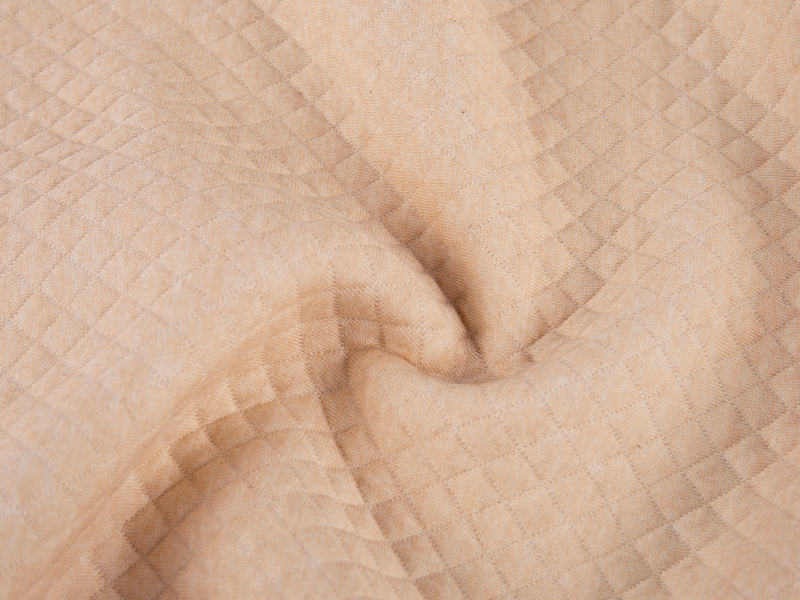
| Quilted ticking | Fabric + foam or fiber batting, stitched through | Added softness, cushioning at surface level | Pillow-top and Euro-top mattresses |
| Organic cotton ticking | GOTS-certified woven cotton | Natural, breathable, chemical-minimal | Natural and organic mattress lines |
| Wool-blend ticking | Wool face with polyester backing | Temperature-regulating, naturally fire-resistant | Premium and latex mattresses |
| Tencel / lyocell blend | Cellulosic fiber knit or weave | Highly breathable, moisture-managing, soft | Cooling and luxury mattress tiers |
The weight of mattress ticking is typically measured in grams per square meter (gsm). Budget mattresses often use ticking at 100–150 gsm, while premium ticking ranges from 200–350 gsm — heavier fabric generally signals more durability and a more substantial surface feel.
What Ticking Fabric Does Not Do
Despite its importance, mattress ticking is not a waterproof barrier, not a dust mite barrier on its own, and not a substitute for a mattress protector. The ticking is permeable by design — to allow airflow and moisture vapor transmission. For allergy sufferers or households with young children, a separate mattress encasement or protector is always necessary regardless of ticking quality.
How to Clean Fabric Mattress
You cannot submerge a mattress in water or put it in a washing machine. Cleaning a fabric mattress always means surface cleaning only — targeting the ticking and the top layers without saturating the foam or spring core. Excess moisture trapped inside a mattress causes mold, mildew, and irreversible structural damage within 24–48 hours.
Routine Cleaning: Dust and Surface Debris
- Strip all bedding and allow the mattress to air for at least 30 minutes before cleaning.
- Vacuum the entire mattress surface using an upholstery attachment, paying particular attention to seams, piping edges, and quilted channels where dust mites and dead skin cells accumulate.
- Sprinkle a thin, even layer of baking soda across the top surface, leave for a minimum of 30 minutes (up to 8 hours for deeper deodorizing), then vacuum thoroughly. Baking soda absorbs moisture and neutralizes odor without any chemical residue.
- Flip or rotate the mattress according to the manufacturer's schedule — most modern foam mattresses are rotate-only (not flippable), while traditional double-sided innerspring mattresses should be both rotated and flipped every 3–6 months.
Spot Cleaning: Stains and Spills
Act within the first few minutes of a spill — the longer liquid sits, the deeper it penetrates the ticking and underlying foam layers.
- Blot, never rub. Rubbing spreads the stain and works liquid deeper into the fabric. Use a clean white cloth or paper towel, pressing firmly and lifting straight up.
- Mix 1 tablespoon of dish soap with 2 cups of cold water. Apply with a cloth using minimal liquid — the goal is damp, not wet.
- For protein-based stains (blood, sweat, urine): use cold water only — heat sets protein stains permanently. A paste of biological enzyme cleaner or 3% hydrogen peroxide dabbed onto the stain and left for 10 minutes is highly effective. Always test hydrogen peroxide on a hidden seam area first, as it can lighten some ticking fabrics.
- For urine (especially from children or pets): enzyme-based cleaners such as Nature's Miracle or Rocco & Roxie are specifically formulated to break down uric acid crystals that cause persistent odor. Plain soap and water will clean the surface but leave the odor-causing compounds intact.
- After any spot treatment, blot the area with a dry cloth and allow to air-dry completely before replacing bedding. Use a fan or open window to accelerate drying — never use a hair dryer directly on foam-backed ticking as heat degrades the foam.
Deeper Cleaning: Upholstery Shampoo Method
- Apply a small amount of upholstery foam cleaner (dry foam format preferred) to the entire mattress surface in sections.
- Work gently with a soft brush in circular motions, keeping moisture to a minimum.
- Wipe away foam residue with a barely-damp cloth.
- Allow the mattress to dry fully — ideally in a room with good airflow and low humidity — for a minimum of 6–8 hours before making the bed. Placing the mattress upright against a wall near an open window significantly accelerates drying.
What to Avoid When Cleaning Mattress Fabric
- Steam cleaners: High heat and moisture penetrate deep into foam layers and are very difficult to dry out fully, creating ideal mold conditions.
- Bleach or harsh solvents: These degrade ticking fibers, dissolve adhesives used in quilted layers, and can off-gas chemical residues.
- Soaking the surface: Even a generous spray of cleaning solution is too much liquid for most mattress ticking — a damp cloth is always the right tool.
Can You Use Fabric Spray on a Mattress?
Yes — fabric spray can be used on a mattress, but with important conditions. The key variables are the type of spray, the quantity applied, and how thoroughly the mattress is allowed to dry before use.
Types of Fabric Spray and Their Suitability
| Spray Type | Safe for Mattress? | Notes |
| Fabric refresher (e.g. Febreze) | Yes, with moderation | Light misting only; allow full drying before bedding goes back on |
| Anti-bacterial fabric spray | Yes, if fabric-safe formula | Check that it is rated for upholstery/soft surfaces; avoid alcohol-heavy formulas on foam-backed ticking |
| Fabric stain repellent (e.g. Scotchgard) | Yes, useful for protection | Apply to clean, dry ticking; re-apply every 6–12 months; ensure full off-gassing before use (24 hours minimum) |
| Essential oil sprays (DIY) | Use with caution | Some oils can stain light-colored ticking; lavender and tea tree are popular but patch-test first |
| Wrinkle-release spray | Not recommended | Too much moisture; not meaningfully useful on a mattress surface |
| Spray bleach or disinfectant spray | No | Degrades ticking fibers; potential chemical residue on a sleep surface |
The Right Way to Apply Fabric Spray to a Mattress
- Hold the spray bottle 20–30 cm (8–12 inches) from the surface and use a light, even mist — not a concentrated soak.
- Never apply more than one or two passes over any single area.
- Allow the mattress to dry completely with bedding removed — a minimum of 1–2 hours for light fabric refreshers, and up to 24 hours for stain-repellent coatings.
- If applying a freshening or antibacterial spray, follow up with a 30-minute ventilation period with a window open to allow any volatile compounds to dissipate before sleeping.
- For households with asthma sufferers or chemical sensitivities, a simple solution of distilled water with 5 drops of lavender essential oil is an effective and low-risk alternative to commercial fabric sprays.
Did Mattress Sizes Change?
Standard mattress size names have remained the same, but actual dimensions have shifted subtly — and inconsistency between manufacturers is wider than most buyers realize. This matters directly for mattress fabric and bedding purchases, because a fitted sheet or mattress encasement made for one brand's "Queen" may not fit another's.
Standard U.S. Mattress Dimensions (Current Industry Reference)
| Size Name | Standard Dimensions (inches) | Standard Dimensions (cm) | Common Use |
| Twin | 38 × 75 | 97 × 191 | Children, single adults, bunk beds |
| Twin XL | 38 × 80 | 97 × 203 | College dorms, tall single sleepers |
| Full (Double) | 54 × 75 | 137 × 191 | Guest rooms, single adults |
| Queen | 60 × 80 | 152 × 203 | Most common size for couples |
| King | 76 × 80 | 193 × 203 | Master bedrooms, couples with children/pets |
| California King | 72 × 84 | 183 × 213 | Tall sleepers, large master bedrooms |
What Has Actually Changed Over Time
The named sizes above have been standard since roughly the 1950s and 1960s when the modern mattress industry consolidated. However, three meaningful changes have occurred in practice:
- Mattress height (depth) has increased significantly. A standard innerspring mattress in the 1970s was typically 7–8 inches tall. Today, the average mattress depth is 10–14 inches, and luxury pillow-top mattresses routinely reach 16–18 inches. This directly affects fabric requirements — thicker mattresses need deeper-pocket ticking panels and fitted sheets with correspondingly deeper pockets (standard sheets at 12 inches deep will not fit a 16-inch mattress).
- Width and length tolerances vary by manufacturer. A Queen mattress technically measures 60 × 80 inches, but real-world manufacturing tolerances mean actual dimensions can range from 59.5–60.5 × 79.5–80.5 inches. When purchasing replacement ticking fabric, mattress covers, or encasements, always measure the actual mattress rather than relying on the size name.
- New proprietary sizes have emerged. Several brands — including Sleep Number and Tempur-Pedic — have introduced sizes outside the standard grid (such as Split King at 76 × 80 split into two 38 × 80 halves) that require specifically manufactured ticking and bedding.
Implications for Mattress Fabric and Bedding Purchases
- Always measure mattress height (depth) before ordering a mattress encasement or custom ticking replacement — the depth is the most variable dimension and the most common cause of poor fit.
- When buying fitted sheets for use over thick mattresses, look for a pocket depth of at least 15–16 inches and deep-anchor elastic that wraps the full corner rather than just the edge hem.
- Replacement mattress ticking fabric sold by the meter should be ordered with a 10–15% overage allowance to account for seaming, quilting take-up, and dimensional variation during the re-covering process.
Choosing the Right Mattress Fabric for Longevity and Comfort
Whether you are selecting a new mattress, sourcing replacement ticking, or maintaining an existing mattress, the fabric layer is the single most tactile and most maintenance-intensive component of the sleep surface. A few practical principles bring together everything above:
- Prioritize certifications over claims — OEKO-TEX Standard 100 or CertiPUR-US on the ticking fabric provides independent verification of low chemical content, including formaldehyde-releasing finishes.
- Match ticking fabric weight and stretch to the mattress core — a firm latex or innerspring mattress suits woven damask ticking; a contouring memory foam mattress benefits from a knitted stretch ticking that conforms without restriction.
- Use a mattress protector over the ticking at all times — it extends the life of the ticking by preventing stain penetration, reduces dust mite exposure, and is washable in a way the mattress itself never can be.
- Clean and deodorize the ticking with baking soda every 3–6 months, vacuum seams monthly, and spot treat stains immediately rather than allowing them to set.