 English
 русский
 Español
 中文简体
中文简体
Article Directory
Mattress fabric is the textile outer layer that comes into direct contact with the skin, typically made from knitted polyester, jacquard fabric, or natural fibers. A mattress is classified as upholstered furniture under legal and industry standards. Internal filling materials are primarily foam, springs, and latex. All mattresses sold in the United States must pass mandatory flammability testing (16 CFR Part 1633), but mattresses are not "fireproof" — they are simply engineered to burn significantly more slowly.
Is a Mattress Considered Upholstery
From a material composition and regulatory standpoint, a mattress is indeed a type of upholstered furniture. The U.S. Consumer Product Safety Commission (CPSC) classifies mattresses as "upholstered sleep products," subject to the 16 CFR Part 1633 flammability standard — the same regulatory framework that governs traditional upholstered furniture such as sofas and cushioned chairs.
The distinction lies in intended use: traditional upholstered furniture (e.g., sofas) is designed primarily for sitting, while mattresses are designed for lying down. However, the structural logic is identical — a rigid frame, internal filling layers, and an outer textile cover. The interior design industry widely treats mattresses as part of the soft furnishings category in procurement and specification.
Types of Mattress Fabric
The outer fabric layer of a mattress directly affects breathability, feel, and durability. The most common materials on the market are as follows:
| Fabric Type | Characteristics | Common Use | Best For |
|---|---|---|---|
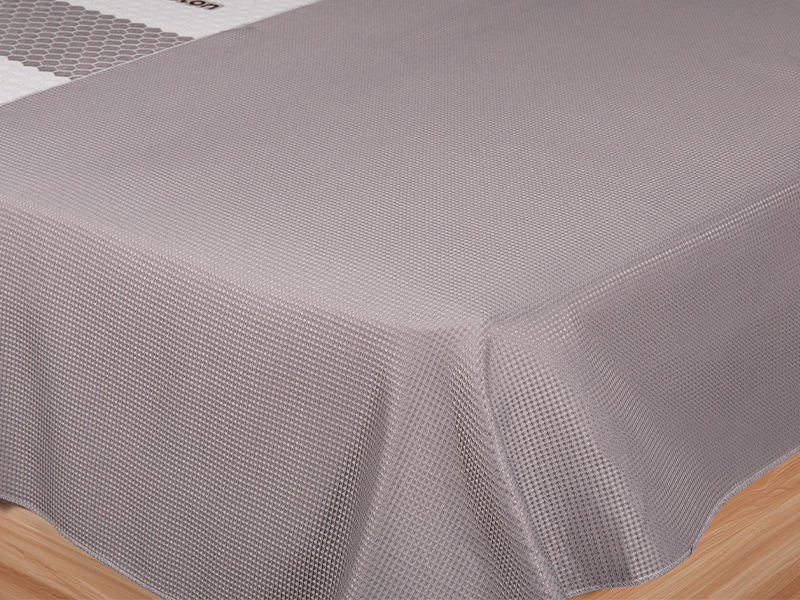
| Knitted Polyester | Soft, good elasticity, low cost | Mainstream outer layer for mid- to low-end mattresses | Mass market consumers |
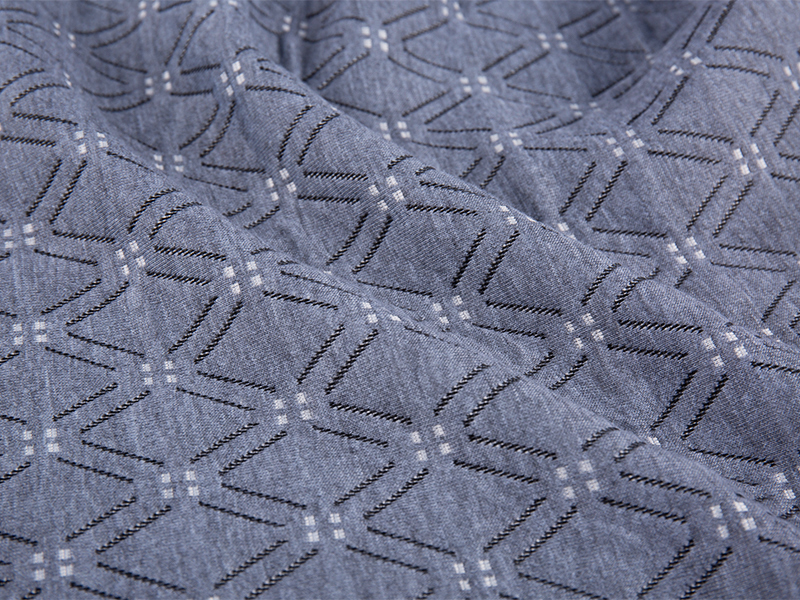
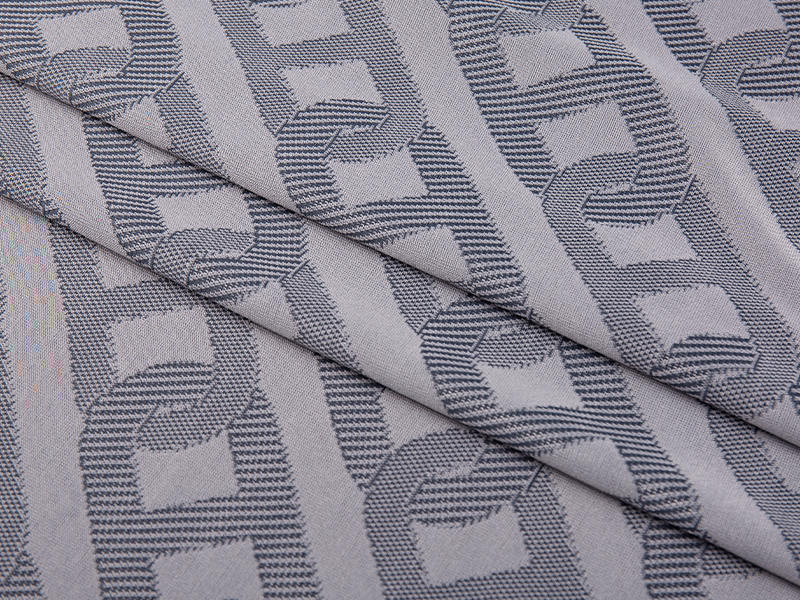
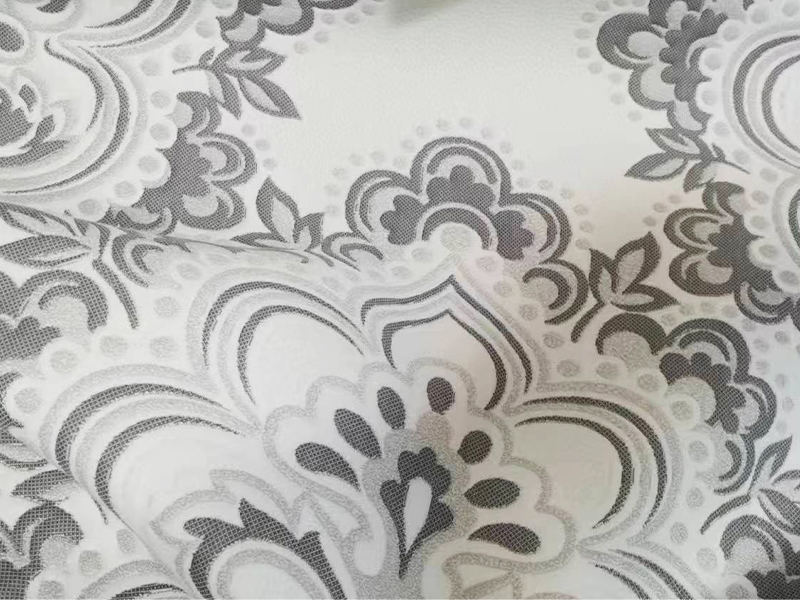
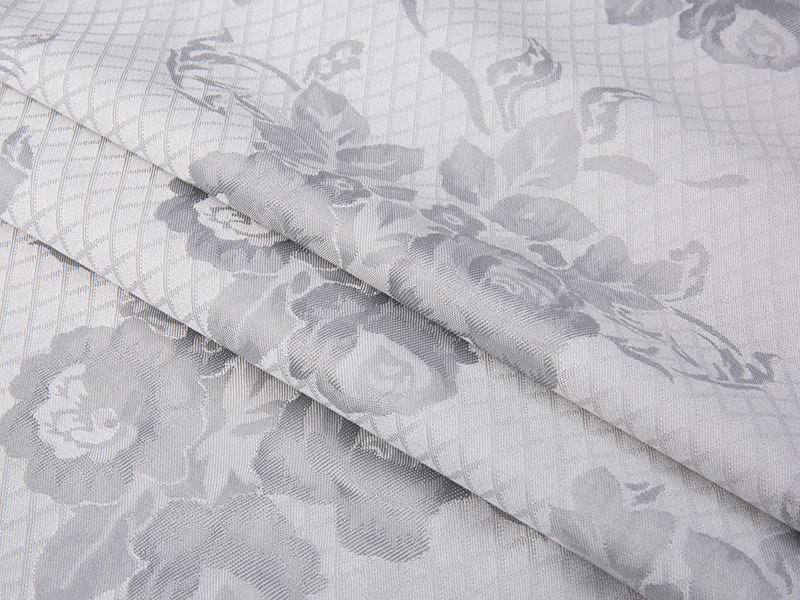
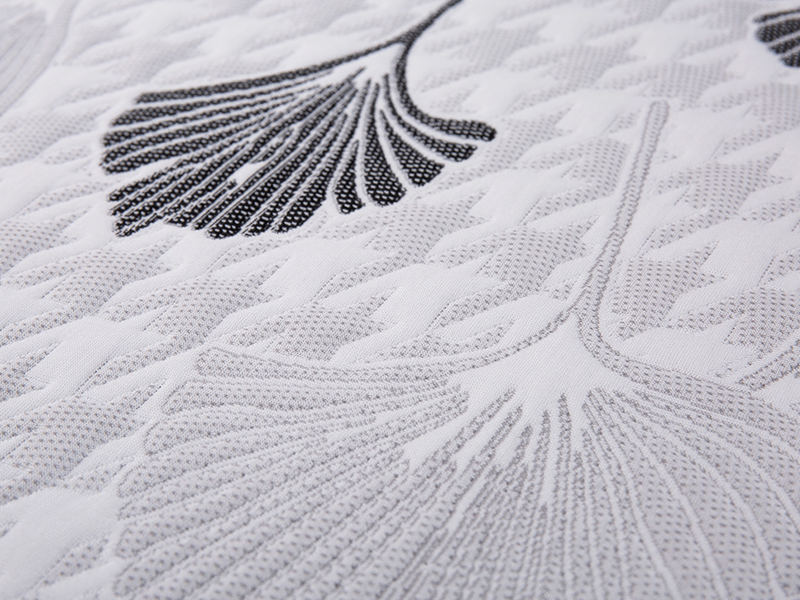
| Jacquard | Rich patterns, firm texture | Mid- to high-end mattresses with visual appeal | Quality-conscious buyers |
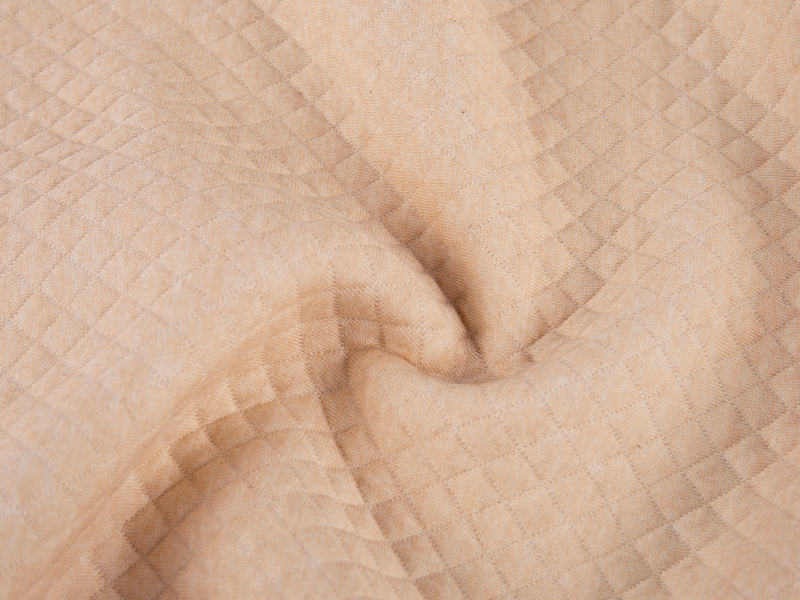
| Organic Cotton | Breathable, natural, no chemical treatment | Outer layer of natural/organic mattresses | Allergy sufferers |
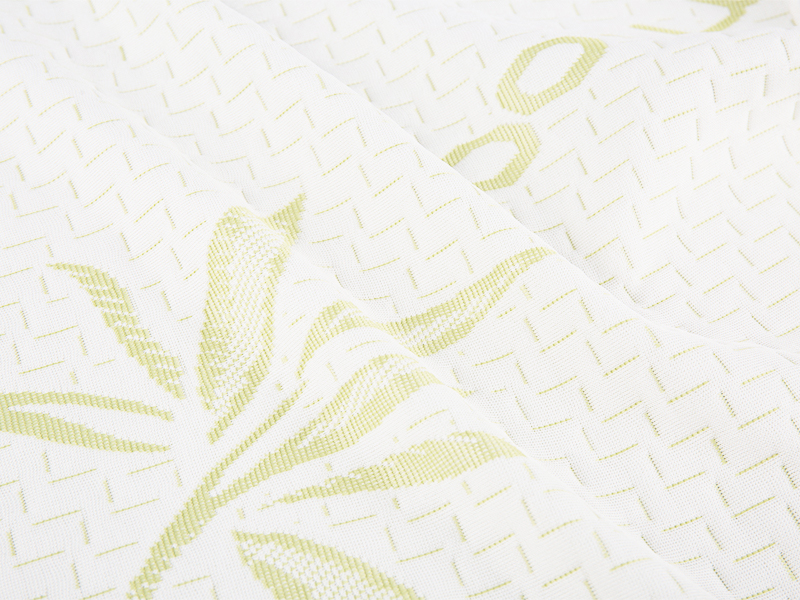
| Bamboo | Moisture-wicking, antimicrobial | Cooling mattresses or pillow tops | Hot sleepers |
| Wool | Naturally flame-resistant, excellent temperature regulation | Premium latex/spring mattresses | Natural material preference |
| Tencel / Lyocell | Silky feel, high moisture absorption | Premium memory foam/hybrid mattresses | Those who sleep hot |
Most mattress fabrics are not a single material but a blend — for example, 60% polyester + 40% cotton — balancing cost and comfort. Fabric weight (GSM, grams per square meter) is also a quality indicator; quality mattress fabrics typically fall in the range of 280–400 GSM.
What Materials Are Inside a Mattress
The comfort and support of a mattress come from its internal structure. Common filling materials fall into three main systems:
Spring / Coil System
Spring mattresses account for approximately 45% of global sales and represent the longest-established construction. Key formats include:
- Pocketed Coil: Each spring is individually wrapped in its own fabric pocket, providing excellent motion isolation — the current mainstream for premium spring mattresses
- Bonnell / Offset Coil: Interconnected springs that deliver consistent support at a lower cost
Foam System
- Memory Foam (Viscoelastic Foam): Responds to body heat and pressure to conform to the body's contours — well suited to side sleepers
- High-Density Polyurethane Foam: The foundational support layer in most mattresses, typically with a density of 1.5–2.0 lb/ft³
- Gel-Infused Foam: Memory foam with gel particles incorporated to improve heat dissipation
Natural Materials
- Natural Latex: Derived from rubber trees; highly elastic and durable, with a lifespan of up to 15–20 years. Dunlop-process latex is denser; Talalay-process latex is softer
- Wool, Cotton, Horsehair, etc.: Used primarily in the top comfort layers to regulate temperature and humidity
What Are Most Mattresses Made Of
According to 2023 data from the International Sleep Products Association (ISPA), approximately 55% of mattresses sold in the U.S. are hybrid constructions combining springs and foam, approximately 30% are all-foam mattresses, all-latex and other natural-material mattresses account for a combined 10%, and traditional innerspring mattresses make up roughly 5%.
A typical mid-range hybrid mattress, from top to bottom, is structured as follows:
- Knitted polyester or jacquard fabric outer cover (approx. 3–5 mm)
- Memory foam comfort layer (approx. 1–2 inches, density 3–5 lb/ft³)
- Transition foam layer (approx. 1 inch, medium density)
- Pocketed coil support layer (height 6–8 inches; approx. 800–1,000 coils per Queen size)
- High-density base foam edge support (approx. 1 inch, prevents edge collapse)
Are Mattresses Flammable — Flammability Standards Explained
Mattresses are inherently combustible products. Polyurethane foam is a petroleum-based material that ignites rapidly — without treatment, it can reach dangerous temperatures in under two minutes.
For this reason, all mattresses sold in the United States are required by federal law to comply with 16 CFR Part 1633 (the Federal Mattress Flammability Standard). The test requirements are:
- Two open-flame burners simulate a fire on the mattress surface, burning continuously for 70 seconds
- The mattress must not exceed a peak heat release rate of 200 kW within 30 minutes of the test
- Total heat release during the first 10 minutes must remain below 15 MJ
Manufacturers typically meet these requirements through one of the following approaches:
| Method | Description | Natural or Synthetic |
|---|---|---|
| FR (Flame-Retardant) Fabric | Flame-retardant chemicals (e.g., phosphorus- or bromine-based) incorporated into the fiber | Synthetic |
| Natural Wool Layer | Wool's keratin protein structure provides inherent flame resistance with no chemical treatment required | Natural |
| Fiberglass Barrier Layer | Low cost and highly effective, but fiberglass particles may escape if the cover is removed or damaged | Controversial |
| Silicone-Coated Fabric | Silicone forms a protective char layer at high temperatures; halogen-free | Newer solution |
It is worth noting that some budget mattresses use fiberglass as the fire barrier. Removing the outer cover for washing can cause microscopic glass fibers to spread throughout the room. When purchasing, check the mattress label — a warning stating "do not remove cover" is typically a signal that fiberglass is present.
How to Choose a Mattress Based on Materials
The choice of fabric and filling should be matched to body weight, sleeping position, and health needs:
- Side sleepers: Prioritize memory foam or latex comfort layers to reduce pressure on shoulders and hips
- Back / stomach sleepers: Firmer support is needed — a hybrid spring mattress is more appropriate
- Hot sleepers: Choose bamboo or Tencel fabric paired with a gel foam or latex core
- Allergy sufferers: Natural latex + organic cotton fabric; avoid chemically treated flame retardants
- Sleepers over 230 lbs (approx. 105 kg): Choose a high-density base foam layer (≥ 2 lb/ft³) or a coil layer 8 inches or deeper to prevent premature sagging
Quick Buying Checklist
- Confirm the foam carries CertiPUR-US certification (no harmful substances)
- Check whether the mattress uses a fiberglass fire barrier (if so, never remove the outer cover for washing)
- For natural latex, look for GOLS certification; for organic cotton, look for GOTS
- A fabric weight of ≥ 280 GSM generally indicates better durability