 English
 русский
 Español
 中文简体
中文简体
Article Directory
A functional mattress ticking cover does more than wrap a mattress core. Built with advanced textile technology, it manages moisture, regulates temperature, and resists bacteria, turning a simple fabric shell into a performance feature that manufacturers can market and sleepers can actually feel every night.
As demand grows for healthier, more comfortable sleep environments, this outer layer has moved from decorative afterthought to a core engineering decision in premium mattress production. Below is a practical look at what makes these covers functional, how they change the sleep experience, and how to choose the right one for a product line.
01 — What Makes a Ticking Cover "Functional"
A standard ticking cover simply encloses the foam, spring, latex, or hybrid core beneath it. A functional cover adds engineered properties on top of that base job:
- 01
Moisture management
Moves perspiration away from the skin instead of trapping it against the surface.
- 02
Breathability
Open knit or woven structures let air pass through the surface layer.
- 03
Antibacterial performance
Finishing treatments help the sleep surface stay cleaner between washes.
- 04
Temperature regulation
Cooling yarns or finishes reduce heat build-up during the night.
- 05
Stretch and recovery
Elastic textiles follow the mattress contour without wrinkling or sagging.
02 — How It Changes the Sleep Experience
The difference between a plain cover and a functional one shows up most clearly side by side.
- Limited airflow, heat can build up overnight
- Moisture sits on the surface
- Fixed weave, less contour adaptability
- Surface wear shows quickly
- Engineered structure supports continuous airflow
- Moisture is drawn away from the body
- Stretch fabric adapts to foam and hybrid cores
- Finishing treatments extend surface life
03 — Common Functional Technologies
Most functional ticking programs are built from a small set of finishing technologies, each solving a different problem on the sleep surface.
| Technology | What It Does | Where It Matters Most |
| Antibacterial treatment | Limits microbial growth on the fabric surface | Healthcare, hospitality, children's mattresses |
| Moisture-wicking finish | Pulls sweat away from the sleeper | Warm climates, active sleepers |
| Cooling yarns | Reduces heat retention at the surface | Hot sleepers, premium comfort lines |
| Flame retardant fabric | Improves fire safety performance | Regulated markets and institutional bedding |
| Anti-static finish | Reduces static build-up on the fabric | Dry climates, synthetic-heavy blends |
04 — Choosing the Right Cover for a Product Line
Selecting a functional ticking cover is less about picking a single "best" fabric and more about matching properties to the product and the buyer.
- 1
Match the mattress type
Foam, spring, latex, and hybrid cores each demand different stretch and thickness characteristics from the cover.
- 2
Define the functional priority
Cooling, moisture control, and antibacterial protection rarely need to be maximized all at once — pick what the target buyer actually values.
- 3
Verify durability testing
Tensile strength, color fastness, and abrasion resistance determine how the cover performs after months of use.
- 4
Confirm design and customization
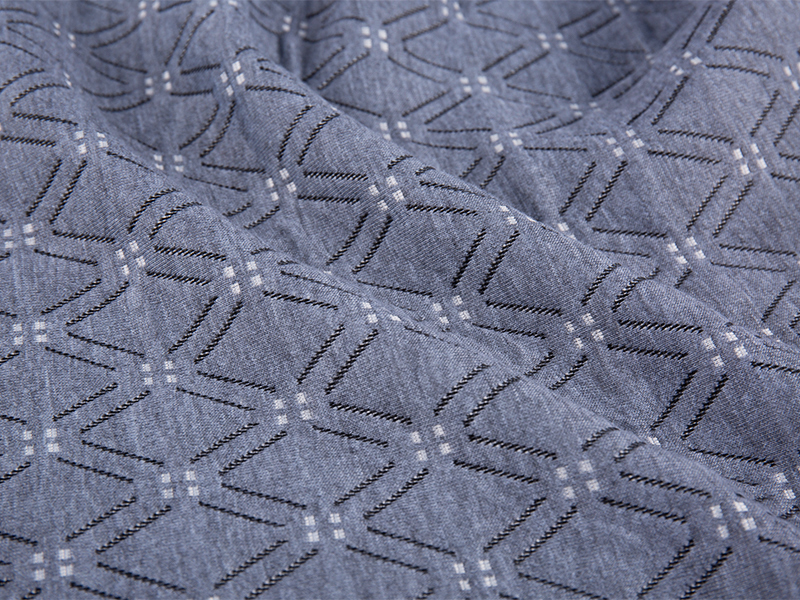
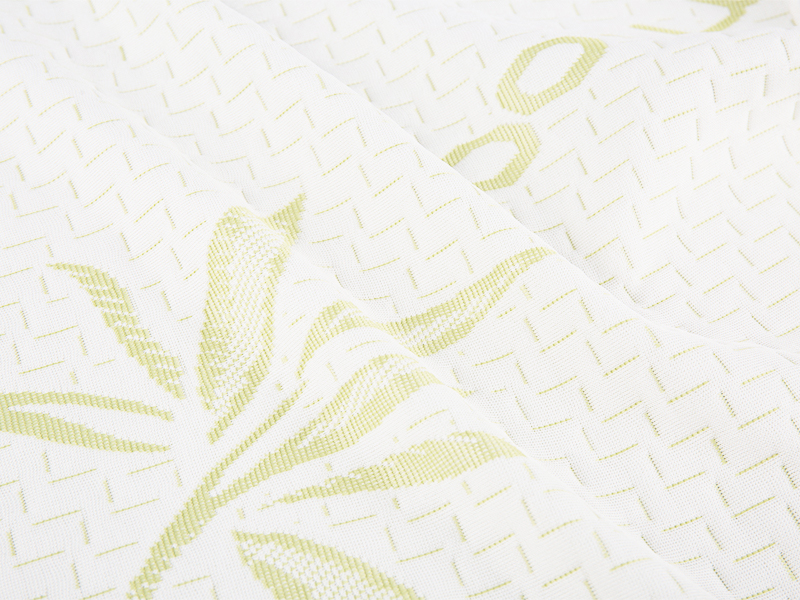
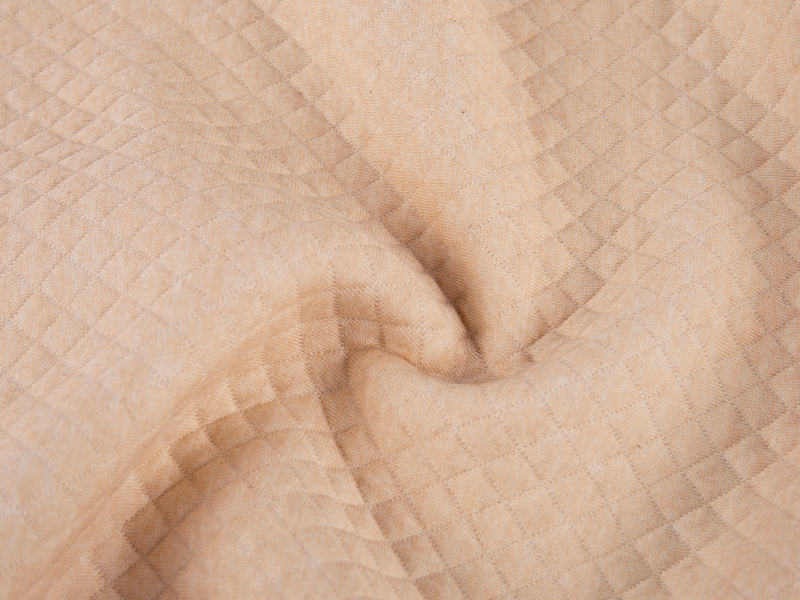
Jacquard patterns, knitted textures, and custom colorways affect shelf appeal as much as the performance spec sheet.
A cover only earns the word "functional" once it starts shaping temperature, moisture, and touch — not just the mattress's appearance on a showroom floor.
05 — Where These Covers Show Up
Functional ticking is now standard across several mattress categories, each with its own priorities:
- Residential mattresses — memory foam, spring, and latex builds aimed at everyday comfort
- Hotel and hospitality bedding — covers built for durability and easy maintenance under heavy rotation
- Healthcare and medical mattresses — hygiene-first specifications for hospital and care settings
- Children's mattresses — softer touch fabrics with safety and easy-cleaning requirements
Whichever category it's built for, a well-specified functional mattress ticking cover gives a mattress brand something concrete to point to when a buyer asks why one mattress costs more than another — the answer is stitched into the surface itself.
FAQ
Is a functional ticking cover only about comfort?
No. Comfort is one benefit, but these covers also protect the mattress core from wear, support hygiene claims, and give brands a tangible feature to market beyond the foam or spring layer underneath.
Can one fabric deliver cooling, moisture control, and antibacterial protection at once?
Some blended finishes combine two or three properties, but stacking every function onto one fabric usually adds cost. Most manufacturers prioritize the one or two properties that matter most to their target buyer.
Do functional covers work with all mattress core types?
Not automatically. Stretch and thickness need to match the core — a cover built for a firm spring unit may not perform the same way on a soft foam or hybrid build.
How long do functional finishes last?
Performance depends on the finishing method and fabric quality. Durable treatments and well-constructed knits or wovens typically hold their function through normal use and regular cleaning cycles.