 English
 русский
 Español
 中文简体
中文简体
Article Directory
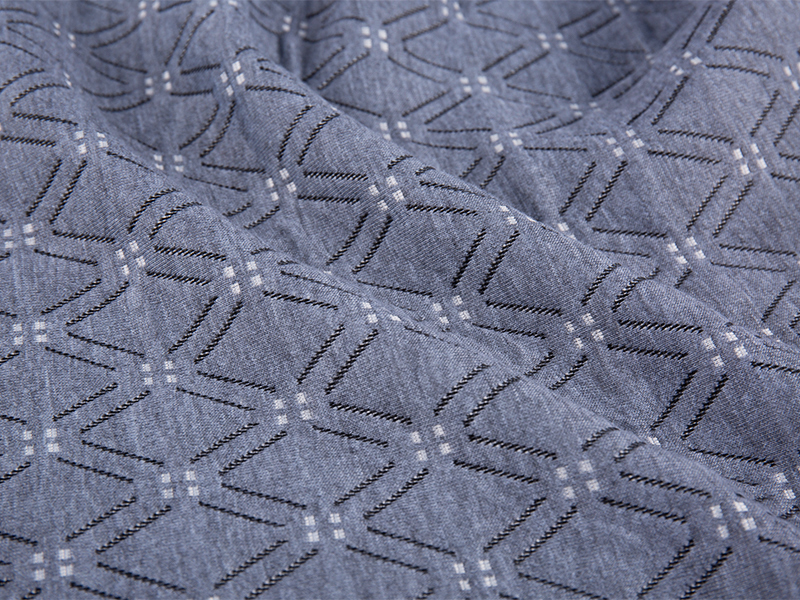
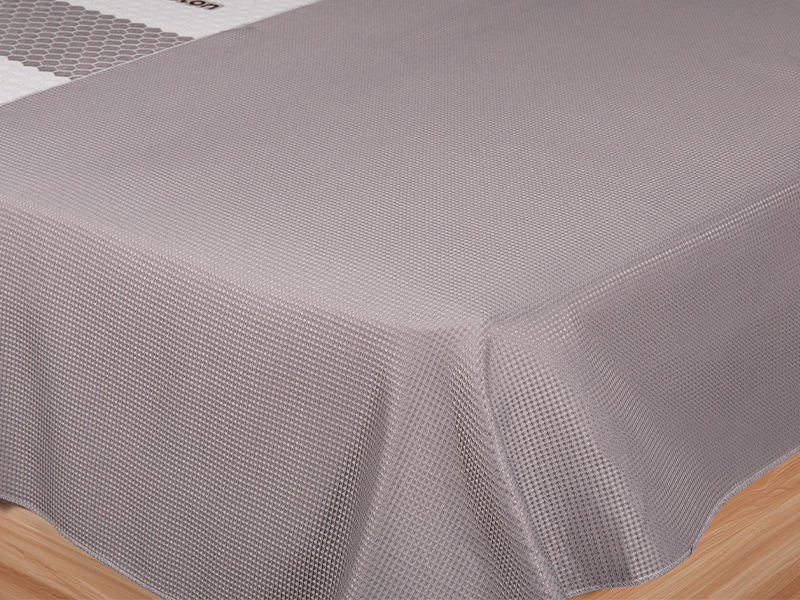
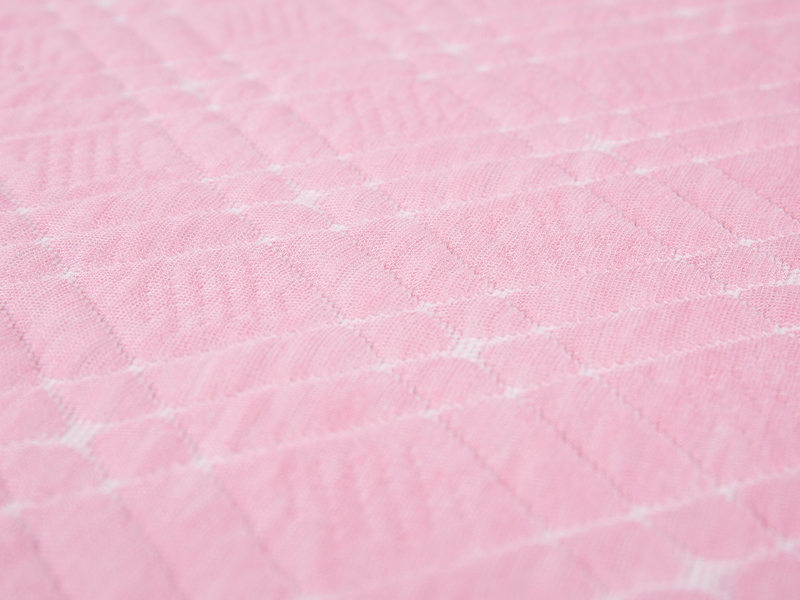
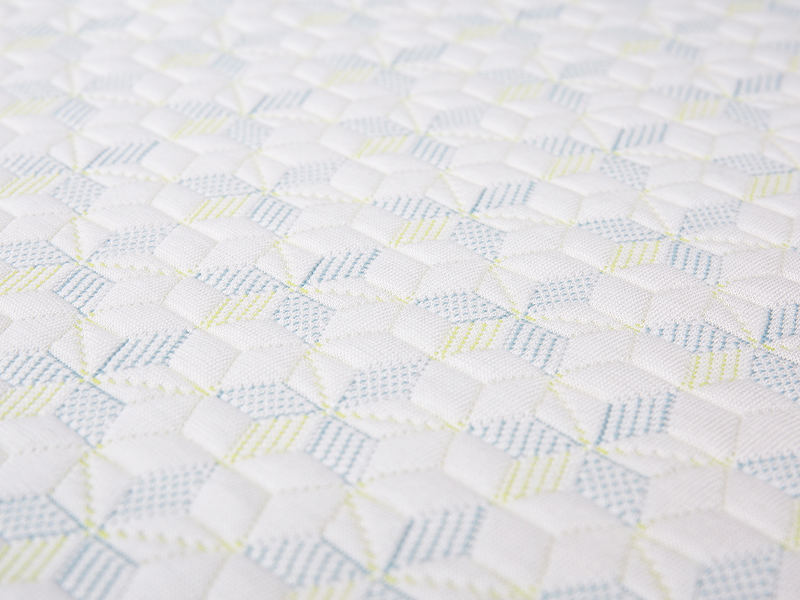
The fabric wrapped around a mattress does more than look presentable on a showroom floor — it determines how the mattress breathes, wears, and feels for years of nightly use. Choosing the right mattress ticking cover means matching fabric structure to mattress type, not picking whatever looks premium on a swatch card.
Key Factors to Evaluate
-
Strength and durability — resistance to abrasion and tearing across years of use.
-
Breathability — airflow that manages heat and moisture through the night.
-
Softness — surface comfort against skin without added padding.
-
Elasticity and fit — how well the fabric hugs foam or spring cores without sagging.
-
Maintenance — ease of cleaning and long-term appearance retention.
Ticking Types for Different Mattress Builds
Matching Ticking to Mattress Category
| Memory foam | Knitted, breathable stretch ticking that moves with the foam core |
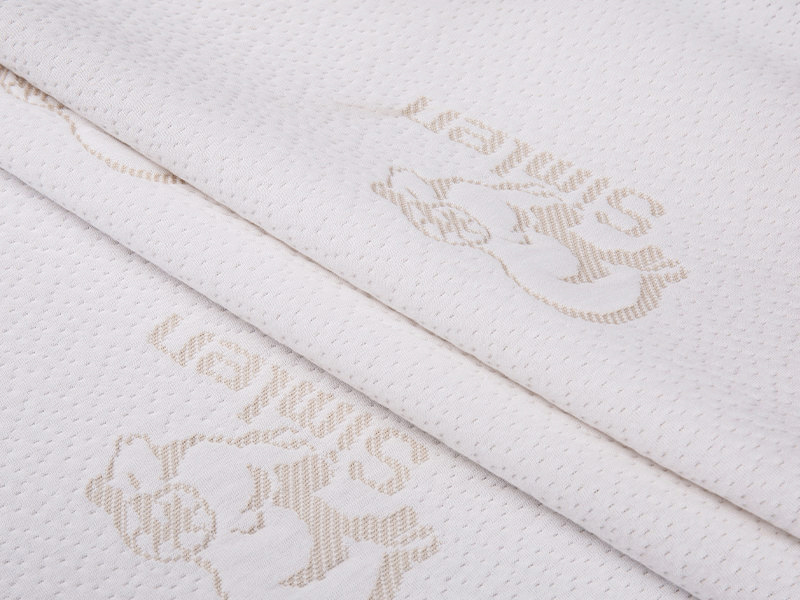
| Spring | Woven ticking built to withstand coil movement and repeated compression |
| Latex | Elastic ticking that maintains fit without restricting natural flex |
| Hotel and commercial | Quilted or heavy woven fabric rated for high-frequency use |
| Medical and healthcare | Functional ticking with antibacterial or fluid-resistant finishing |
Materials Behind the Fabric
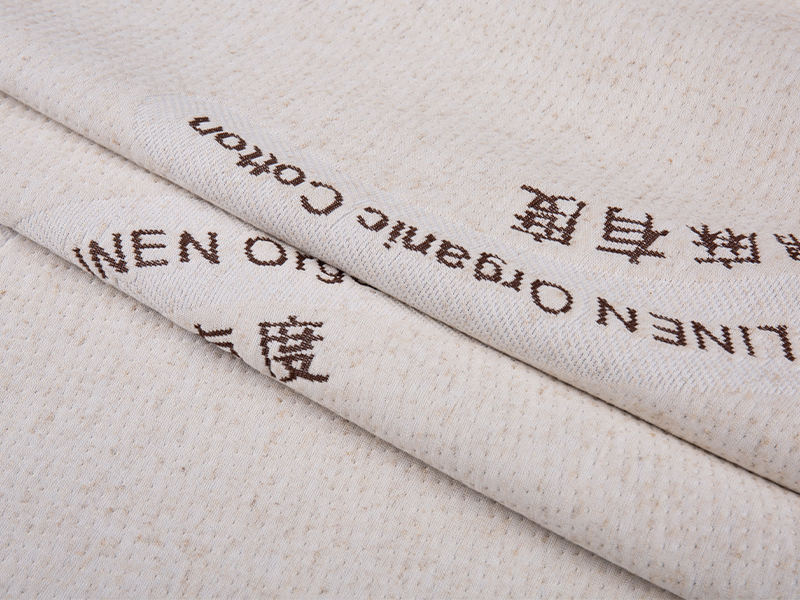
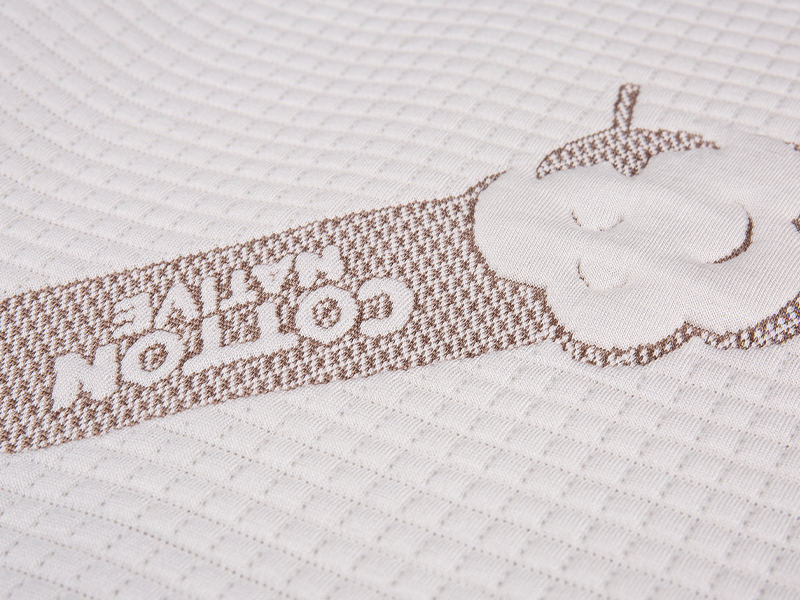
Most ticking runs on polyester for its durability and low cost, cotton for natural breathability and softness, or blended constructions that balance both. Recycled polyester ticking is gaining ground quickly as bedding brands respond to sustainability requirements without giving up performance.
Ticking vs Mattress Protector: Not the Same Layer
Mattress Ticking
- Permanent outer layer of the mattress itself
- Chosen for structure, comfort, and appearance
- Not designed to be removed or washed separately
Mattress Protector
- Removable layer added after manufacturing
- Chosen mainly for spill and allergen protection
- Designed for regular washing and replacement
Where Ticking Fabric Is Headed
Cooling and moisture-control finishes are moving from premium product lines into standard mattress builds, while eco-friendly and recycled fabric options are becoming a baseline expectation rather than a differentiator. Manufacturers are also fielding more requests for customized ticking specifications tied to specific mattress product lines.
Choosing the Right Cover for Your Production Line
The right mattress ticking cover comes down to matching fabric structure to mattress core type, confirming durability and breathability specs against the target market, and working with a supplier that can hold consistent quality across repeat production runs.