 English
 русский
 Español
 中文简体
中文简体
Article Directory
- 1 What Is a Mattress Ticking Cover
- 2 What Counts as Regular Fabric
- 3 Key Differences at a Glance
- 4 Durability and Abrasion Resistance
- 5 Structure and Weave Construction
- 6 Comfort, Breathability, and Moisture Management
- 7 Functional Finishes You Only Get on Ticking Fabric
- 8 Where Each Fabric Is Actually Used
- 9 How to Choose Between the Two
- 10 Frequently Asked Questions
A Mattress Ticking Cover and regular fabric are both textiles, but they are engineered for entirely different jobs. One is built to survive years of body pressure, friction, and repeated compression on a mattress surface. The other is built for appearance, drape, and general comfort in clothing, curtains, or upholstery. Mixing the two up during sourcing usually shows up later as premature wear, poor breathability, or a mattress cover that simply does not last.
What Is a Mattress Ticking Cover
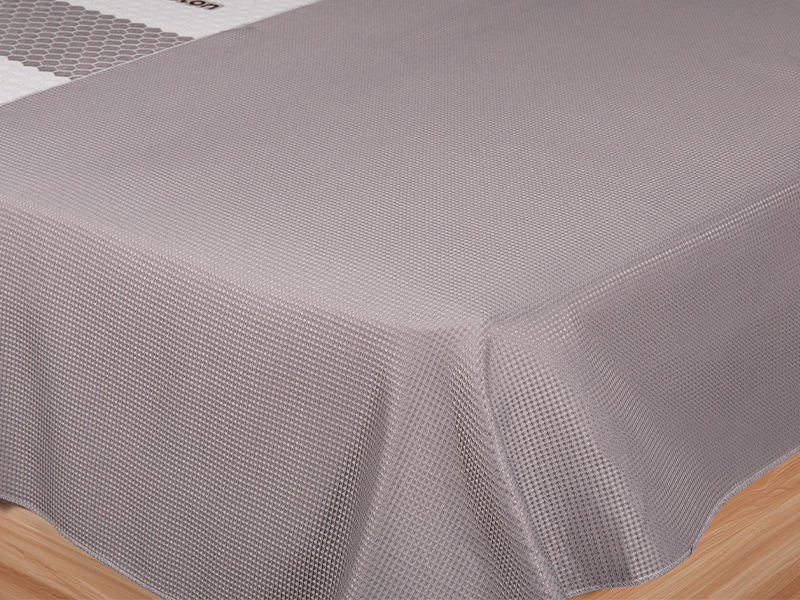
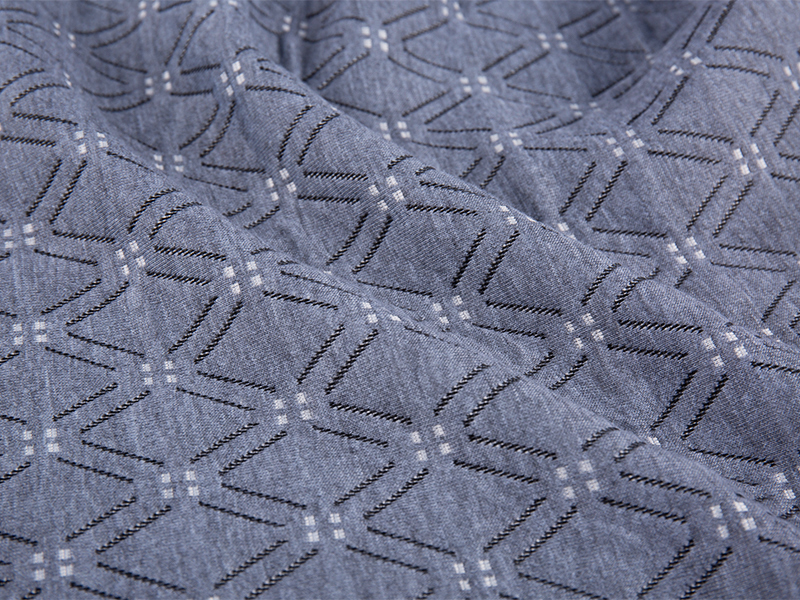
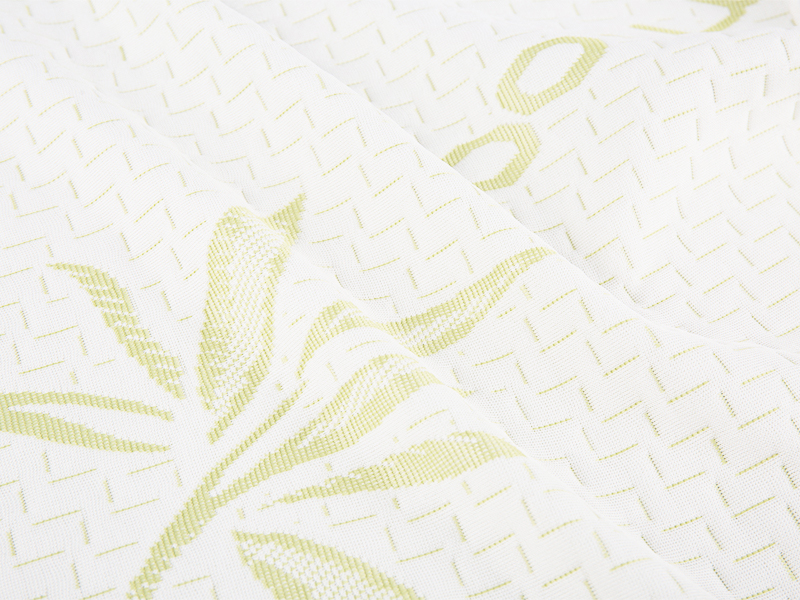
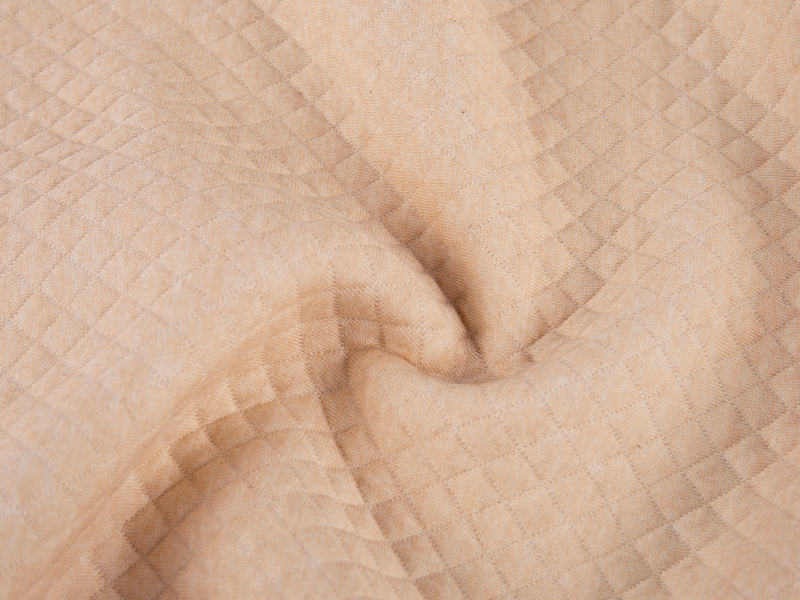
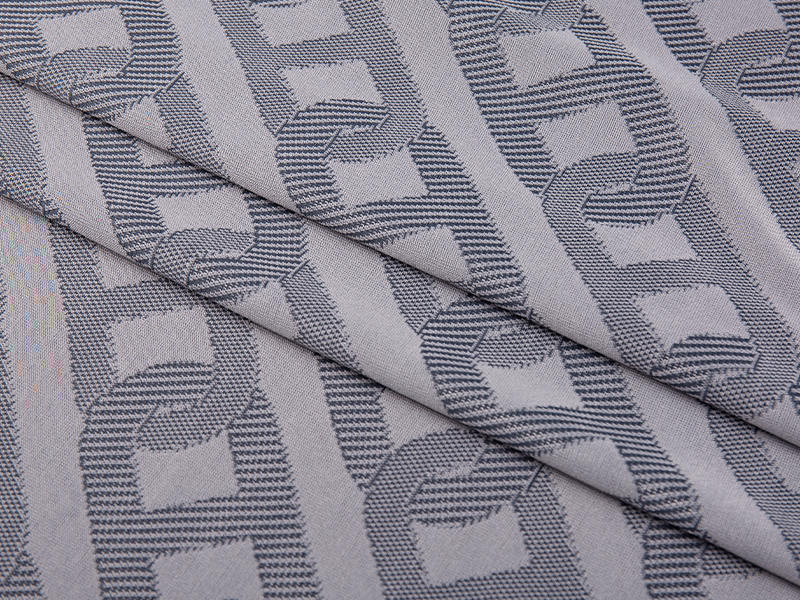
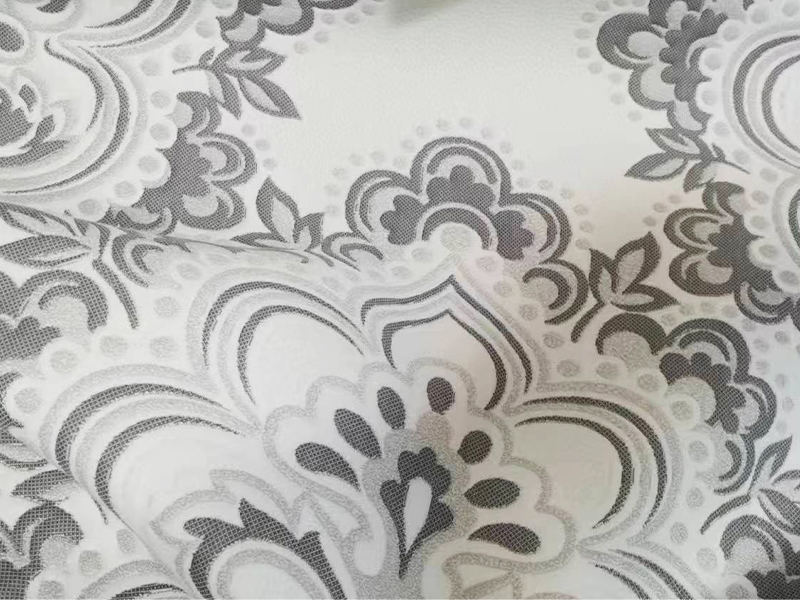
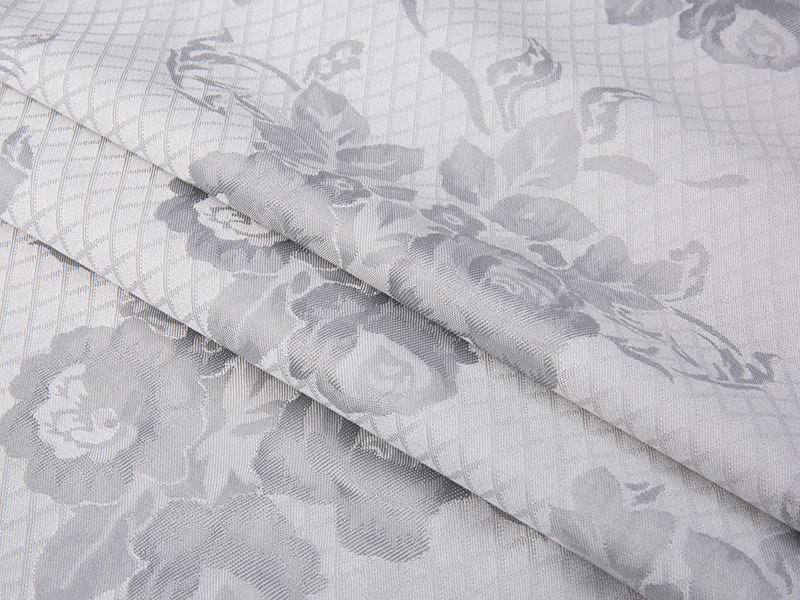
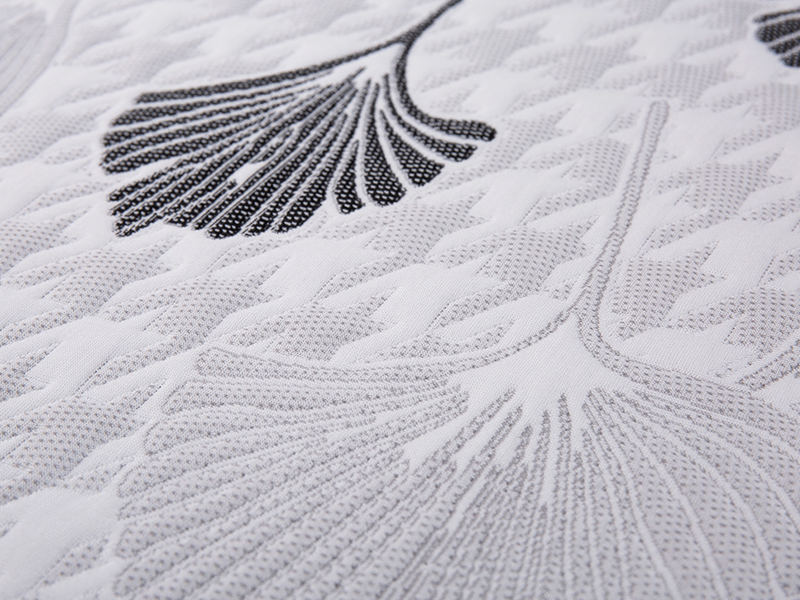
A Mattress Ticking Cover is the specialized textile that covers the outer layer of a mattress, usually the quilted surface directly under the sleeper. It protects the internal filling materials, improves appearance, and provides a breathable, comfortable sleeping surface. Common constructions include polyester, cotton, and polyester-cotton blended ticking, along with jacquard and knitted mattress fabrics.
What Counts as Regular Fabric
Regular fabric covers common textiles used for general applications such as apparel, curtains, and upholstery, including cotton, polyester, linen, and rayon. These materials are selected primarily for appearance, comfort, and general durability rather than for withstanding years of continuous compression.
Key Differences at a Glance
| Feature | Mattress Ticking Cover | Regular Fabric |
| Main application | Mattress surface covering | General textile applications |
| Abrasion resistance | Higher, built for friction | General purpose |
| Breathability | Specifically optimized | Varies by fabric |
| Dimensional stability | Important, holds shape | Less critical |
| Functional finishes | Common | Less common |
Durability and Abrasion Resistance
A mattress surface absorbs body pressure, friction, and repeated movement every single night. That is why a Mattress Ticking Cover is built with a stronger yarn structure, better abrasion resistance, and higher tensile strength than fabric intended for occasional contact. Regular fabric is rarely tested against continuous compression, since that is not what it was designed to handle.
Structure and Weave Construction
Ticking Fabric Construction
- Tight weave for stability
- Knitted structures for stretch and recovery
- Jacquard patterns built into the weave
- Engineered for quilting compatibility
Regular Fabric Construction
- Plain weave, twill, or lightweight knit
- Designed around drape and appearance
- Built for clothing or decorative use
- No quilting-specific requirements
Comfort, Breathability, and Moisture Management
Sleep generates heat, sweat, and moisture through the night, so a Mattress Ticking Cover is typically finished for moisture absorption, quick drying, and airflow through the weave structure. This directly reduces moisture buildup and keeps the sleeping surface more hygienic over time. Regular fabric tends to prioritize visual appearance and basic comfort instead.
Functional Finishes You Only Get on Ticking Fabric
Reduces odor and improves surface hygiene.
Supports a cleaner sleeping environment.
Improves temperature regulation overnight.
Adds a required safety layer for mattress products.
Where Each Fabric Is Actually Used
| Application | Mattress Ticking Cover | Regular Fabric |
| Mattress surface | Yes | No |
| Mattress quilting layer | Yes | Limited |
| Clothing | Limited | Yes |
| Upholstery | Sometimes | Yes |
How to Choose Between the Two
If the end product is a mattress, a Mattress Ticking Cover is the only reasonable choice. For general textile products like clothing or curtains, regular fabric fits both the cost and design intent better. In between those two clear cases, weigh durability, breathability, and softness requirements, and for mattress manufacturers specifically, confirm quilting compatibility, fabric width, and stability during sewing before committing to a roll.
Frequently Asked Questions
Can regular fabric be used as a mattress cover?
It can technically be sewn onto a mattress, but it lacks the abrasion resistance and dimensional stability needed to hold up under years of nightly compression.
What makes mattress ticking fabric more breathable?
Its weave or knit structure and finishing treatments are specifically chosen to manage airflow and moisture, rather than optimized purely for appearance.
Do all mattress ticking fabrics have antibacterial finishes?
No. Functional finishes like antibacterial, anti-mite, or cooling treatments are common but depend on the specific fabric and manufacturer specification.
Is jacquard fabric always mattress ticking?
Not necessarily. Jacquard patterns appear in both mattress ticking and decorative fabrics; what determines suitability is the underlying weave strength and finishing, not the pattern alone.