 English
 русский
 Español
 中文简体
中文简体
Article Directory
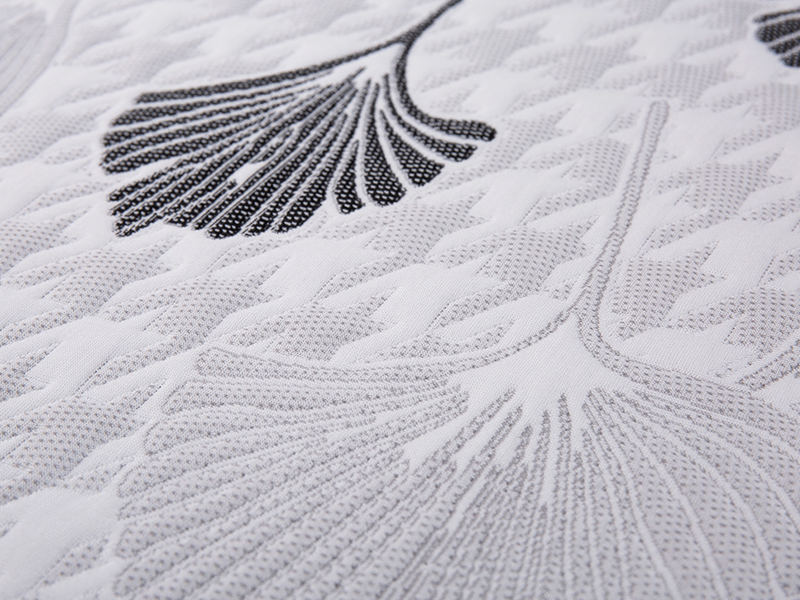
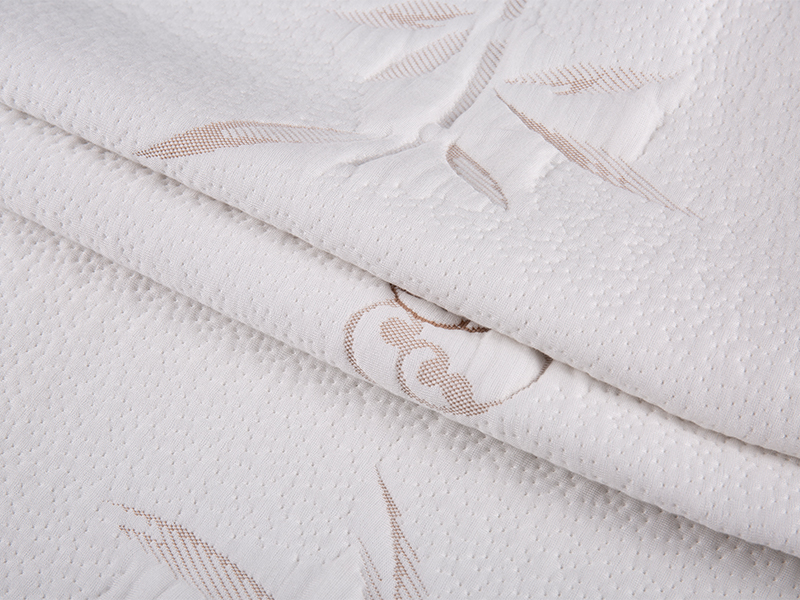
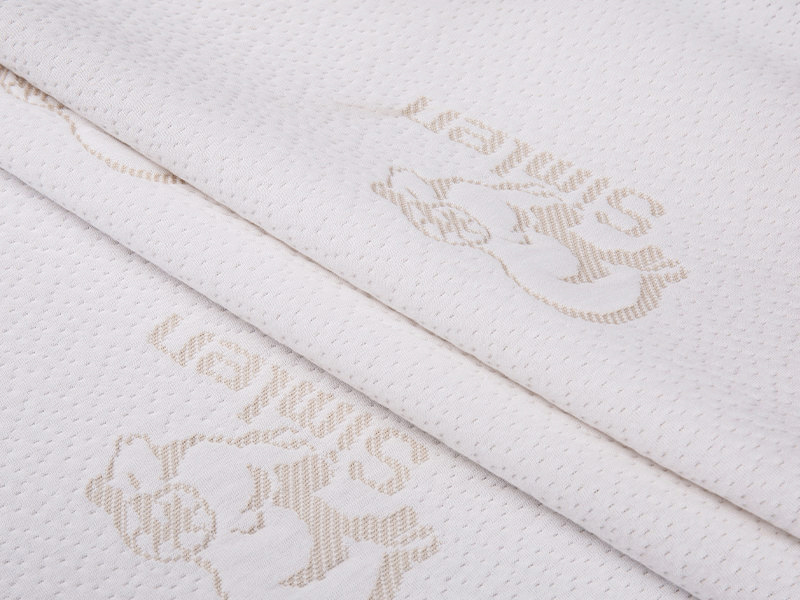
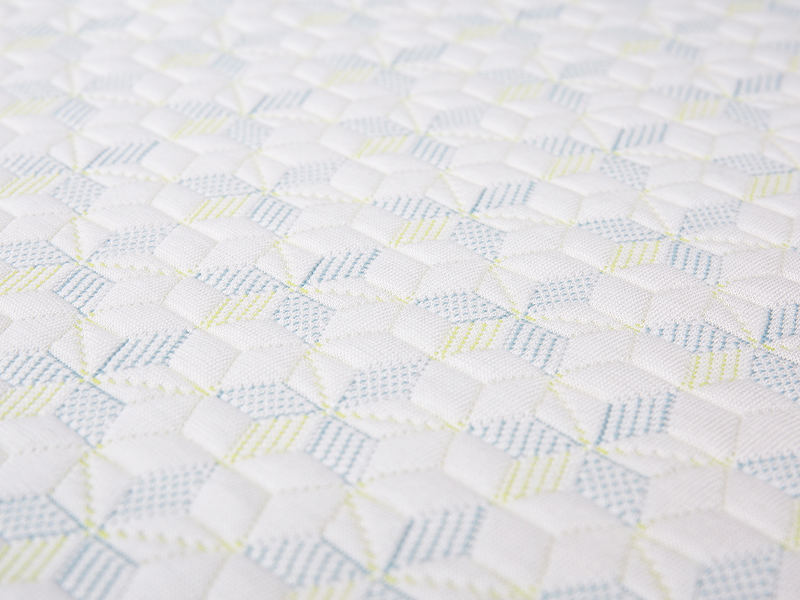
The ticking fabric wrapped around a mattress is not a passive component — it directly affects breathability, surface feel, dimensional stability, and how the mattress holds up across a decade of nightly use. Jacquard mattress fabric has become the benchmark specification for mid-range to premium mattresses precisely because its woven-in pattern provides structural integrity that printed or bonded alternatives cannot replicate. This guide answers the four questions buyers and specifiers ask most before committing to a fabric program.
Which Jacquard Fabric Lasts Longest?
Longevity in jacquard mattress ticking is determined by fiber type, yarn count, and weave density — not by visual complexity of the pattern alone. The constructions with the longest documented field service life share three common traits: high-tenacity yarns, tight interlacing structures, and stable finishing treatments.
Top Constructions Ranked by Durability
Martindale abrasion resistance exceeds 60,000 cycles. Dimensional stability rating of less than 1% shrinkage after five wash cycles at 60°C. The highest-performance option for mattresses in hotel, healthcare, and long-term rental environments. Breaking strength typically above 800 N in both warp and weft directions per ISO 13934-1.
Martindale performance of 40,000–55,000 cycles. The cotton content adds natural moisture wicking and a softer hand feel while the polyester skeleton preserves shape and abrasion resistance. The dominant construction in mid-to-premium residential mattress programs globally, balancing comfort and durability across a 10–12 year expected life.
Martindale rating of 25,000–35,000 cycles. The viscose content introduces a silk-like sheen and elevated surface softness, preferred for luxury-positioning mattresses where tactile premium is more important than maximum abrasion resistance. Requires more careful laundering — viscose weakens when wet.
Martindale performance of 15,000–25,000 cycles depending on yarn twist and weave density. Superior natural breathability and temperature regulation, with organic and GOTS certification available. Best suited for eco-positioned or climate-comfort mattresses where longevity takes second priority to natural material credentials.
What Fabric Suits Premium Mattresses?
Premium mattress positioning requires fabric specifications that perform across four simultaneous criteria: tactile luxury at first touch, visible pattern quality, functional breathability, and long-term structural integrity.
Construction Parameters for Premium Ticking
- Yarn Count 40s/2 or finer in both warp and weft — finer yarns produce tighter, smoother surfaces with higher pattern definition
- Warp Density Minimum 180 ends per 10 cm to prevent pilling and surface distortion under body weight cycling
- GSM 300–380 GSM for top panels; 240–280 GSM for side borders where flexibility is needed
- Weave Structure Double-faced jacquard or backed jacquard for high-relief three-dimensional pattern depth — a key visible differentiator from mid-market offerings
- Finish Moisture-wicking treatment (hydrophilic finish), anti-bacterial silver-ion treatment, and pre-shrunk calendering before cut-and-sew
The pattern repeat in a premium jacquard ticking should be designed with panel seam placement in mind. A 10–14 cm repeat aligns cleanly across top panel and border seams at standard mattress dimensions (90, 140, 160, 180 cm widths), eliminating pattern mismatch — a detail that visually separates premium from commodity product at point of sale.
How Durable Is Jacquard Fabric Compared to Alternatives?
Durability in mattress ticking is measured across four independent performance dimensions. Jacquard mattress fabric outperforms knitted, printed, and bonded alternatives across all four when correctly specified.
| Performance Metric | Woven Jacquard | Knitted Ticking | Printed Woven |
| Martindale Abrasion (cycles) | 40,000 – 60,000+ | 15,000 – 25,000 | 25,000 – 40,000 |
| Dimensional Stability (wash shrinkage) | Less than 1.5% | 3 – 6% | 1.5 – 2.5% |
| Pilling Resistance (ISO 12945-2) | Grade 4 – 5 | Grade 2 – 3 | Grade 3 – 4 |
| Pattern Durability | Permanent (woven-in) | N/A | Degrades with abrasion |
| Tear Strength (ISO 13937-2) | High (80 – 140 N) | Low (20 – 40 N) | Medium (50 – 90 N) |
How to Choose Mattress Fabric for Your Program
Selecting the right jacquard ticking specification requires matching five variables to your mattress category, price point, and target market requirements.
Frequently Asked Questions
Can jacquard mattress fabric be cleaned without removing it from the mattress?
Spot cleaning with a damp cloth and mild upholstery cleaner is the recommended method for in-situ cleaning. Most jacquard ticking is not designed for machine washing while on the mattress core. For removable covers using jacquard fabric, follow the care label — polyester-dominant jacquards typically tolerate 40–60°C machine wash, while viscose-content fabrics should be cold-washed or dry-cleaned to prevent shrinkage and surface distortion.
What GSM is considered standard for jacquard mattress ticking?
Industry standard for residential top panels is 280–340 GSM. Contract and hospitality specifications typically start at 320 GSM. Side border panels are commonly specified at 220–260 GSM to allow the fabric to conform around the mattress profile during assembly. Fabrics below 220 GSM are generally considered too light for any structural panel in a finished mattress.
Is jacquard mattress ticking available with sustainable certifications?
Yes. OEKO-TEX Standard 100 is the most widely available certification, confirming that both the fabric and its dyes test free of over 100 restricted substances. GOTS (Global Organic Textile Standard) certification is available for cotton-dominant jacquard constructions. Recycled polyester (rPET) jacquard ticking with GRS (Global Recycled Standard) certification is increasingly offered by mills responding to brand sustainability commitments.
How does jacquard ticking affect the overall mattress comfort feel?
Jacquard ticking contributes to comfort through two mechanisms. First, the fabric's hand feel — surface softness, temperature neutrality, and moisture management — creates the initial sensory impression the sleeper experiences. Second, the fabric's stretch resistance and dimensional stability influence how consistently the underlying comfort layers (foam, latex, springs) perform over time. A ticking that stretches or deforms under load effectively changes the compression profile of the mattress, reducing the accuracy of the support specification beneath it.