 English
 русский
 Español
 中文简体
中文简体
Article Directory
- 1 Types of Mattress Fabric and What They Mean for Care
- 2 Can You Use Fabric Softener on a Mattress Protector?
- 3 Can You Use Fabric Cleaner on a Mattress?
- 4 Should Mattress Covers Be Washed Before Using?
- 5 Complete Mattress Fabric Care Schedule: What to Do and When
- 6 Common Questions About Mattress Fabric Care
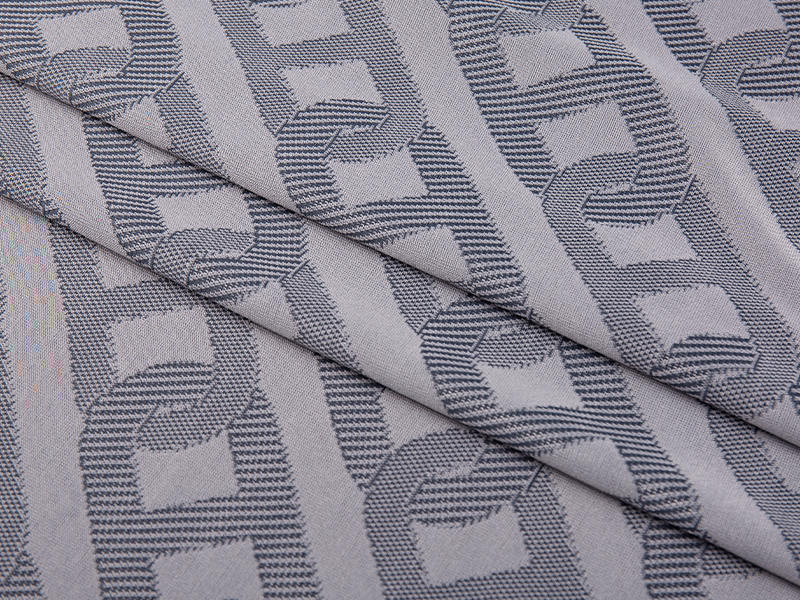
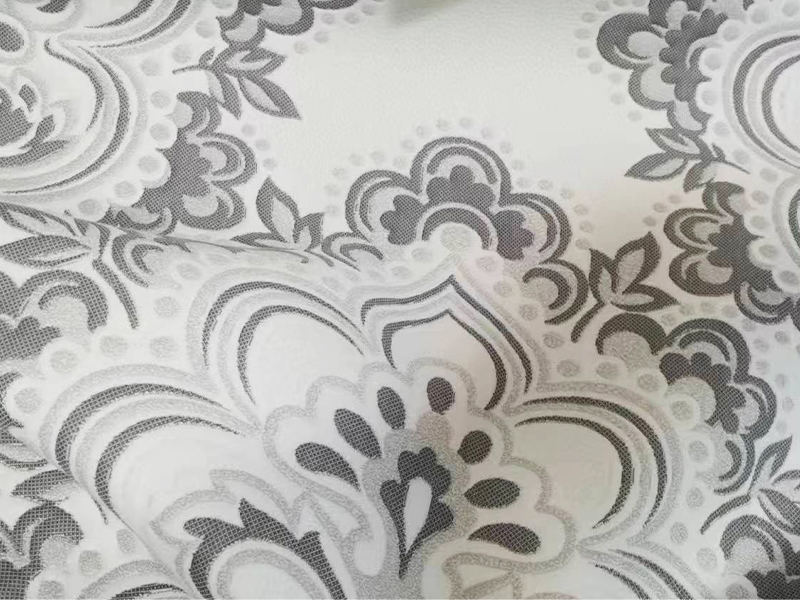
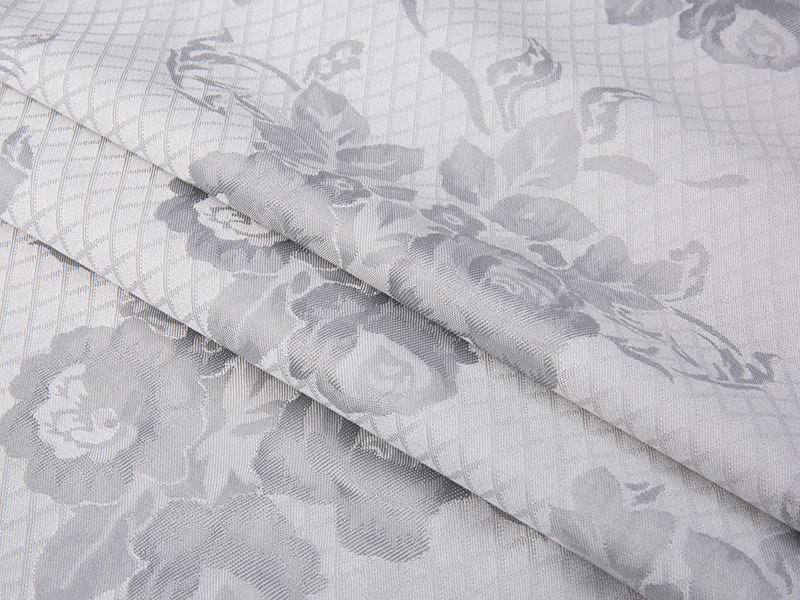
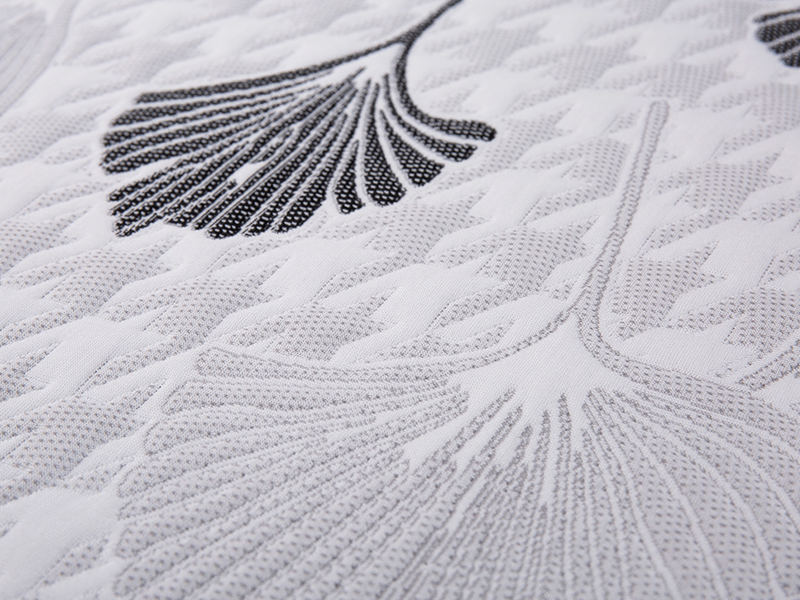
Mattress fabric is the woven or knitted textile that forms the outer sleeping surface of any mattress — it determines comfort, breathability, durability, and how well the mattress accepts and releases body heat. The fabric type directly affects how you should clean, protect, and maintain both the mattress itself and any covers or protectors placed over it. Getting the care wrong — using the wrong cleaner, saturating the cover with softener, or skipping a pre-wash — degrades the fabric's performance faster than ordinary wear does.
Types of Mattress Fabric and What They Mean for Care
Every mattress care decision — what to clean with, how to wash a cover, whether softener is safe — depends on which fabric is on the mattress or protector in question. These are not interchangeable. A knit polyester cover and a woven organic cotton panel require completely different handling, and confusing them is the most common source of fabric damage.
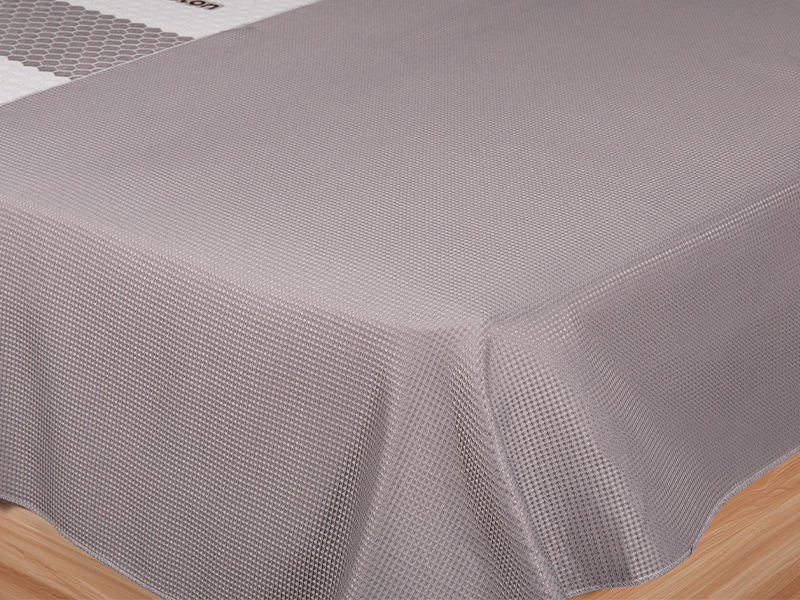
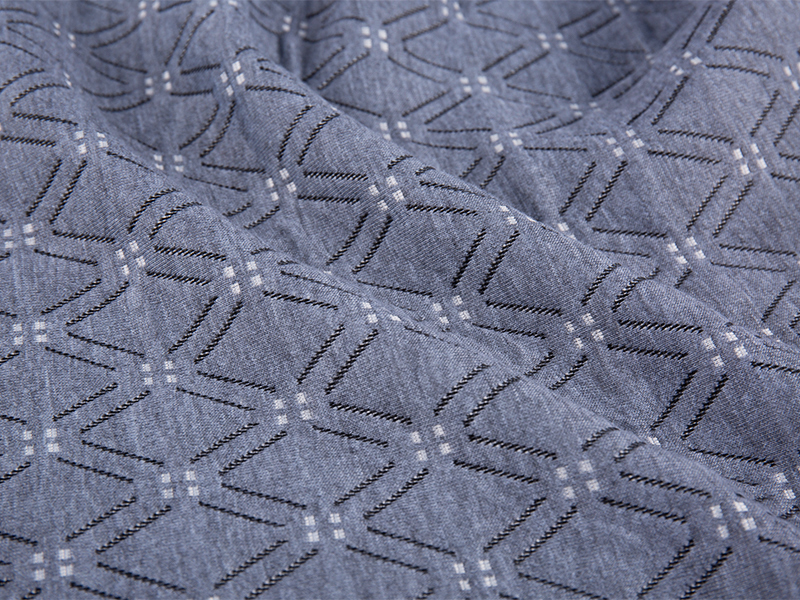
The dominant material in mid-market mattresses. Polyester knits are woven to allow air exchange while providing a smooth, durable sleeping surface. They accept most laundry detergents without damage, are resistant to shrinkage, and resist pilling longer than natural fibres. However, polyester absorbs and retains body oils more than natural fibres, which is why monthly vacuuming and bi-annual deodorising is recommended for polyester-topped mattresses.
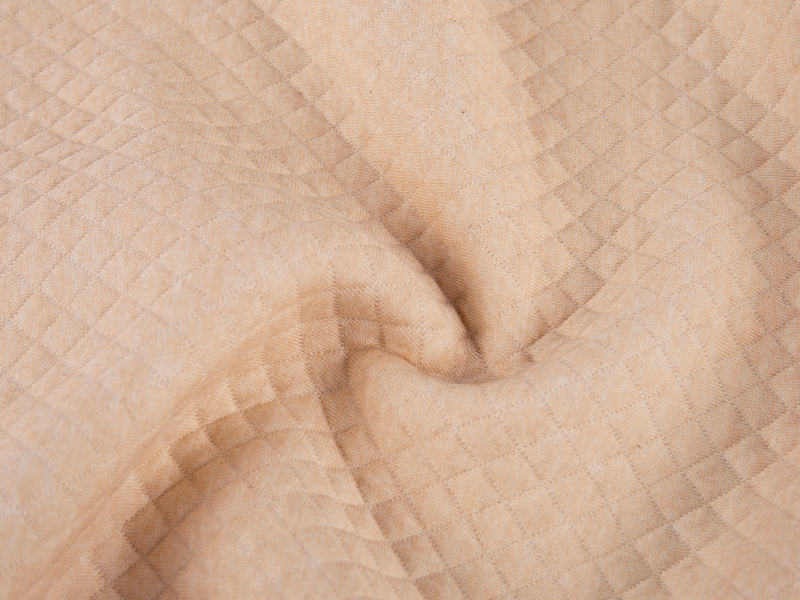
Used in premium and organic mattresses. Cotton quilted panels create depth and cushioning. Highly breathable and temperature-regulating. More susceptible to shrinkage and colour change with hot washing than synthetic options. High thread count cotton ticking (above 200 TC) is softer but less resistant to abrasion over time.
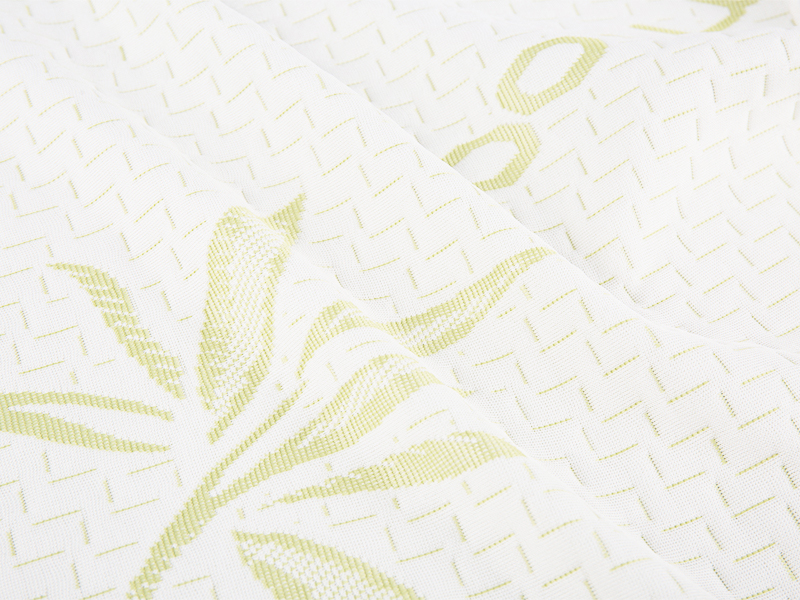
Bamboo viscose and lyocell (TENCEL) fibres are used in cooling mattress covers and premium pillow-top covers. They have naturally antimicrobial properties due to "bamboo kun" compounds, though this property diminishes with repeated washing. Extremely soft but sensitive to high heat and abrasive detergents.
Found in luxury and natural mattresses. Wool fibres naturally self-clean through a lanolin coating and absorb up to 30% of their weight in moisture before feeling damp. This makes wool ticking highly resistant to humidity and odour. It is also naturally flame-retardant, meeting EN 597-1/2 standard without chemical treatment.
TENCEL (brand name for lyocell) is produced through a closed-loop solvent spinning process, making it one of the most environmentally certified mattress fabrics available. It wicks moisture 50% more efficiently than cotton and resists bacteria by controlling moisture in the fabric. Popular in eco and medium-high end mattresses.
Found in high-end cooling mattresses. Micro-encapsulated PCM particles are embedded in the knit structure. These particles absorb heat as they change from solid to liquid state at body temperature (~33–36°C), then release heat as they re-solidify when the body moves away. Heat-damaged by excessive wash temperatures or tumble drying above 40°C, which ruptures the microcapsules.
Can You Use Fabric Softener on a Mattress Protector?
The direct answer is: for most mattress protectors, you should not use fabric softener — and this is one of the most consequential care mistakes that accelerates protector failure. The reason depends on what the protector is made of and what it is designed to do.
Why Fabric Softener Damages Waterproof Protectors
Most mattress protectors — particularly those with any waterproofing function — use either a polyurethane (PU) laminate membrane bonded to the fabric back, or a terry cotton surface treated with a water-repellent finish (DWR coating). Fabric softeners work by depositing a thin film of cationic surfactants on textile fibres, which makes them feel smoother and reduces static. This same film:
- Coats and clogs the microporous membrane of PU-laminated protectors, reducing breathability and — over multiple washes — causing the membrane to delaminate from the fabric. Delamination is irreversible and voids most manufacturer warranties.
- Neutralises DWR coatings on water-repellent cotton-terry protectors by coating the individual fibres, preventing the directional hydrophobic surface from repelling liquid effectively. A single softener wash can reduce DWR water repellency by 30–50%.
- Reduces the wicking efficiency of moisture-management fabrics (bamboo, Tencel, PCM) by physically blocking the capillary channels between fibres that give these materials their moisture-moving properties.
When Fabric Softener Is Acceptable
Fabric softener is only safe for mattress protectors and covers that meet all of the following criteria:
- The protector has no waterproof backing or laminated membrane
- The surface fabric is plain woven or knit cotton or polyester with no DWR treatment
- The care label explicitly states "fabric softener safe" or does not prohibit it
- The protector serves only a comfort or allergen-barrier function, not a liquid-barrier function
In practice, this means that simple cotton mattress pads without any waterproofing can safely use fabric softener. Anything marketed as "waterproof," "water-resistant," "moisture-wicking," or containing bamboo, Tencel, PCM, or other technical fibres should be washed without it.
| Protector Type | Fabric Softener | Risk If Used |
|---|---|---|
| Waterproof PU-laminated | Do Not Use | Membrane delamination, loss of waterproofing |
| DWR-treated terry cotton | Do Not Use | Permanent loss of water repellency |
| Bamboo or Tencel surface | Do Not Use | Blocked capillary wicking, reduced antimicrobial function |
| PCM / cooling fabric | Do Not Use | Blocked microcapsules, loss of cooling effect |
| Plain cotton mattress pad | Acceptable | Minor — slight reduction in absorbency over time |
| Quilted polyester pad (no backing) | Acceptable | Minimal risk if no technical finish present |
Can You Use Fabric Cleaner on a Mattress?
Yes, fabric cleaner can be used on a mattress — with important limitations that, if ignored, can cause damage far worse than the original stain. The mattress fabric is a fixed surface; unlike a removable cover, you cannot rinse excess cleaner away under running water, and moisture driven into the mattress core is essentially impossible to fully extract without industrial equipment.
Spray foam cleaners applied with a brush, worked into the stain with circular motion, then blotted away with a clean dry cloth — are the safest approach for mattress fabric. Foam delivers cleaning agents to the surface with minimal liquid penetration into the foam core below. Products containing enzymes (protease, lipase) are effective on protein-based stains (sweat, blood, urine) in a single application. Typical dwell time: 3–5 minutes before blotting.
One teaspoon of liquid laundry detergent in 500ml of cold water creates a mild cleaning solution suitable for most synthetic mattress fabrics. Apply with a barely damp cloth using blotting (not rubbing) motion. Rubbing spreads the stain and damages the weave structure of the fabric. For polyester and cotton-poly blend ticking, this method is safe on recent stains without risk of shrinkage or colour change.
Not a cleaner but an effective deodoriser that is completely safe on all mattress fabric types. Applied as a thin layer across the entire surface, left for 2–4 hours (or overnight for deeper penetration), then vacuumed away. Baking soda neutralises acidic odour compounds from sweat and skin oils. No moisture risk. Can be combined with a few drops of essential oil for scent (lavender has a secondary mild antimicrobial effect). Recommended every 2–3 months.
The single most damaging cleaning error. When the mattress core becomes wet, it cannot fully dry under normal conditions — particularly in memory foam, which has limited air circulation internally. Moist foam is an ideal environment for mould and mildew growth within 24–48 hours. Once mould establishes in a foam core, it cannot be cleaned out and the mattress must be replaced. Use as little liquid as possible and always allow the mattress to dry completely (minimum 4–6 hours in a ventilated room) before replacing covers.
While diluted hydrogen peroxide (3% solution) is occasionally recommended for blood stain removal on white or cream mattress ticking, bleach and strong oxidising agents permanently damage synthetic fibre coatings, degrade polyester tensile strength, and cause irreversible yellowing of foam if they penetrate the cover. Safe only on plain white natural cotton ticking as a last resort for biological stains.
Solvent-based cleaners (chlorinated solvents, strong acetone, mineral spirits) dissolve the adhesive bond between fabric and foam layers in mattresses where the cover is laminated or bonded rather than removable. They also degrade polyurethane foam in the comfort layer directly below the ticking. Never use upholstery solvent sprays designed for furniture on a mattress.
High-temperature steam at 100°C will kill dust mites (thermal death point 55–60°C) but introduces significant moisture and heat into the mattress. Heat above 50–60°C causes permanent compression set in memory foam comfort layers and can partially melt polyester binder fibres in the ticking weave, altering the fabric's texture permanently. Steam cleaning is only appropriate for very specific innerspring mattresses with easily drying constructions — not recommended for foam or hybrid mattresses without manufacturer confirmation.
Should Mattress Covers Be Washed Before Using?
Yes — washing a mattress cover or protector before its first use is not optional from a health and performance standpoint. This recommendation applies to covers of every quality level, from budget polyester protectors to luxury organic cotton toppers, and for specific technical reasons that affect both your health and the product's performance from day one.
Textile manufacturing involves dozens of chemical processing steps: weaving lubricants, anti-static agents, optical brighteners, formaldehyde-based crease-resist finishes (widely used on polyester-cotton blends), and fabric sizing agents that create the stiff "new" feel. These chemicals are not fully benign and can cause skin irritation, particularly in people with eczema or chemical sensitivities. A standard 40°C wash cycle removes the majority of these manufacturing residues — independent testing has shown that pre-washing reduces detectable formaldehyde residues in textiles by 50–80%.
Mattress covers are shipped in compressed packaging across international supply chains, often stored in warehouses for weeks or months. During this time, they accumulate dust, potential mould spores (particularly in sea-freight containers which experience humidity fluctuations), chemical vapours from co-packed goods, and occasionally rodent contamination in poorly managed storage environments. None of this is visible but all of it is avoidable with a single pre-wash before use.
Cotton and cotton-blend mattress covers typically shrink 3–8% in the first wash — higher for non-pre-shrunk fabrics from budget manufacturers. If you install a cover on your mattress, use it for several months, and then wash it for the first time, this initial shrinkage creates a cover that no longer fits the mattress correctly. A cover that fits over the corners under tension loses waterproofing performance at the seams and is more likely to shift during sleep. Pre-washing before installation establishes the true working dimensions of the cover on your specific mattress.
New textile products can trigger allergic responses in sensitive individuals even without identifiable contaminants. The combination of sizing chemicals, transport dust, and novel synthetic fibres creates a composite allergen load that affects a meaningful proportion of people with respiratory or dermatological sensitivities. A pre-wash at 60°C (for protectors rated for this temperature) reduces this load to near-zero before skin and respiratory system contact begins. For households with documented latex or chemical fibre allergies, pre-washing with a hypoallergenic detergent is standard practice.
How to Pre-Wash Different Types of Mattress Covers
| Cover Type | Wash Temp | Cycle | Detergent | Drying Method | Special Notes |
|---|---|---|---|---|---|
| Waterproof PU-backed protector | 40°C max | Gentle/Delicate | Mild, no enzymes | Low heat or air dry | Never tumble on high — membrane cracks from heat |
| Cotton terry pad (plain) | 60°C | Standard cotton | Regular; no bleach | Tumble medium or line dry | Expect 5–8% shrinkage on first wash; wash before fitting |
| Bamboo or Tencel cover | 30°C max | Delicate/Silk | pH-neutral, wool-safe | Air flat only | Heat causes irreversible fibre felting; never spin above 800 RPM |
| Wool or wool-blend topper | 30°C wool cycle | Wool/Hand wash | Wool-specific detergent | Roll in towel, air flat | Felt risk if agitated; reshape while damp; never tumble |
| Polyester quilted mattress pad | 40–60°C | Standard synthetic | Standard; no bleach | Tumble low–medium heat | Add two tennis balls to tumble drum to prevent clumping of fill |
Complete Mattress Fabric Care Schedule: What to Do and When
Maintaining mattress fabric — whether you are caring for the fixed mattress ticking directly or for removable covers and protectors — requires a consistent schedule rather than reactive spot-cleaning. The following schedule reflects the care standards used by hospitality professionals to maintain mattresses in high-use environments while preserving fabric integrity over a 7–10 year service life.