 English
 русский
 Español
 中文简体
中文简体
Not every mattress has fiberglass — but a significant number of budget and mid-range foam mattresses sold in the United States do contain a fiberglass fire barrier layer, and mattress fabric is the outer cover that either conceals or reveals that barrier depending on how it is constructed. The fiberglass, when present, is not in the sleeping surface fabric itself but in a sock or layer beneath it, used to meet the federal flammability standard 16 CFR Part 1633. Mattress Firm, as a retailer rather than a manufacturer, sells products from dozens of brands — some of which contain fiberglass and some of which do not. The safest approach is to check the specific mattress tag, not the retailer, and never remove the outer cover of any memory foam mattress without confirming its fire barrier construction first.
Does Every Mattress Have Fiberglass?
No — fiberglass is not present in every mattress. Whether a mattress contains fiberglass depends on three factors: the type of mattress, the price point, and the manufacturer's choice of fire barrier technology. Understanding this distinction prevents both unnecessary alarm about conventional mattresses and genuine risk from uninformed removal of covers on foam mattresses that do contain a fiberglass barrier.
| Mattress Type | Fiberglass Presence | Fire Barrier Alternative Used | Risk of Exposure |
|---|---|---|---|
| Budget foam / memory foam (under $500) | Common — present in many models | Fiberglass sock beneath outer cover | High if outer cover is removed |
| Mid-range foam (Zinus, Linenspa, Lucid) | Present in most models | Fiberglass inner sock with polyester outer cover | High if outer cover is removed |
| Premium foam (Purple, Casper, Tuft and Needle) | Typically absent | Wool batting, rayon/silica blend, or proprietary barrier | Low — fiberglass-free barrier materials |
| Traditional innerspring mattress | Typically absent | Cotton batting, wool, or FR-treated fabric | Very low — conventional fire barriers |
| Latex mattress (natural or synthetic) | Typically absent | Wool or FR-treated fabric barrier | Very low |
| Hybrid mattress (springs + foam layers) | Varies by price tier | Depends on manufacturer; check documentation | Moderate — confirm before cover removal |
The critical regulatory context is US federal standard 16 CFR Part 1633, which requires that all mattresses sold in the United States pass an open-flame test simulating a burning bedding scenario. Manufacturers must choose a fire barrier that meets this standard. Fiberglass (glass fiber) is inexpensive, thermally stable, and highly effective as a fire barrier — which is why low-cost foam mattress manufacturers adopted it widely in the 2010s. More expensive alternatives such as wool batting, silica-rayon blends, FR-treated cotton, or proprietary barrier technologies achieve the same compliance at significantly higher material cost, which is why their use correlates directly with mattress price.
Does Mattress Firm Use Fiberglass?
Mattress Firm is a mattress retailer — it does not manufacture mattresses. The brands sold through Mattress Firm include Sealy, Stearns and Foster, Beautyrest, Serta, Purple, Tempur-Pedic, and various private-label house brands. Whether any individual mattress contains fiberglass depends entirely on the specific brand and model, not on the fact that it was purchased from Mattress Firm.
Among the brands commonly sold at Mattress Firm:
-
01Tempur-Pedic: Does not use fiberglass fire barriers. Tempur-Pedic mattresses use a combination of FR-treated cover fabric and proprietary fire barrier materials. The outer covers on Tempur-Pedic mattresses can be removed for washing without releasing fiberglass particles. Tempur-Pedic explicitly states its fire barriers do not contain fiberglass in published product documentation.
-
02Purple: Uses a silica-based fire barrier (not fiberglass in the traditional sense) woven into a proprietary material. Purple has clarified in public statements that their barriers use silica yarn rather than loose glass fibers, and that covers can be removed for cleaning. However, individual model specifications should be confirmed at purchase as product lines change.
-
03Sealy and Beautyrest (innerspring and hybrid): Traditional innerspring models use conventional fire barriers without fiberglass. Some foam and hybrid models in lower price tiers may use fiberglass barriers — check the specific model's compliance documentation or contact the manufacturer directly before removing the outer cover.
-
04Mattress Firm private label and budget lines: Entry-level mattresses sold under Mattress Firm's house brands are more likely to use fiberglass barriers than premium branded models. For these products, the tag sewn to the mattress is the most reliable information source — look for any mention of glass fiber, fiberglass, or glass in the materials list.
How to Tell If Your Mattress Contains Fiberglass
Three methods allow reliable identification of fiberglass presence in a mattress without removing the cover:
-
01Read the mattress law tag carefully. Federal law requires that mattresses sold in the US carry a permanently attached label listing materials. The label is located on the side or bottom of the mattress and is typically white or yellow. If the materials list includes "glass fiber," "fiberglass," "glass," or "silica fiber," the mattress contains a glass-based fire barrier. The listing is required to include all materials above a defined weight percentage — a mattress with a significant fiberglass barrier layer cannot legally omit it from the tag.
-
02Check the manufacturer's website or contact customer service. Most major mattress manufacturers publish fire barrier material information in their product FAQs following the increased consumer awareness around fiberglass incidents from 2019 onwards. Search the manufacturer's website for the specific model number with the search term "fire barrier" or "fiberglass" — brands that have received complaints or inquiries about this issue typically address it explicitly in product documentation.
-
03Look for "do not remove cover" language on the mattress or packaging. Budget foam mattresses with fiberglass barriers commonly include warnings such as "do not remove outer cover" or "do not wash cover" in their care instructions. This language is a deliberate warning from manufacturers aware that cover removal releases the fiberglass barrier beneath. Its presence is a strong indicator of fiberglass content; its absence does not confirm fiberglass-free construction.
What Is Mattress Fabric and What Role Does It Play?
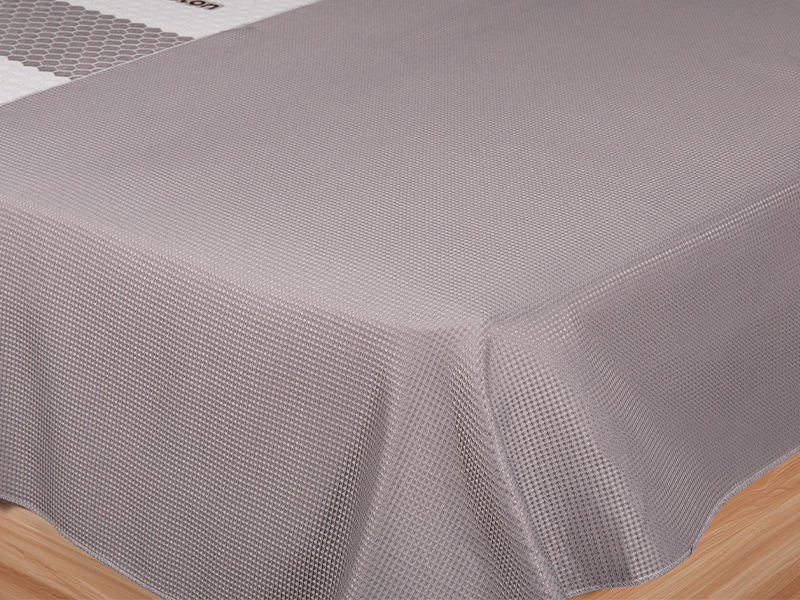
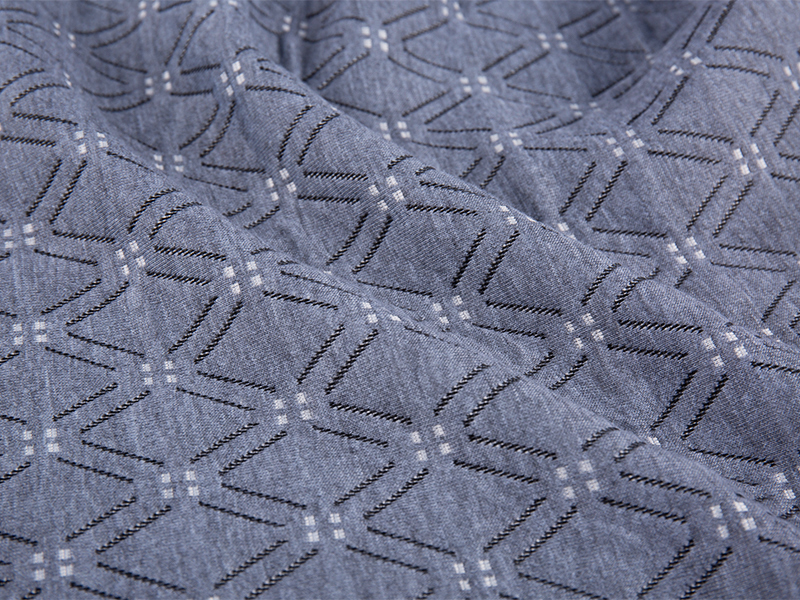
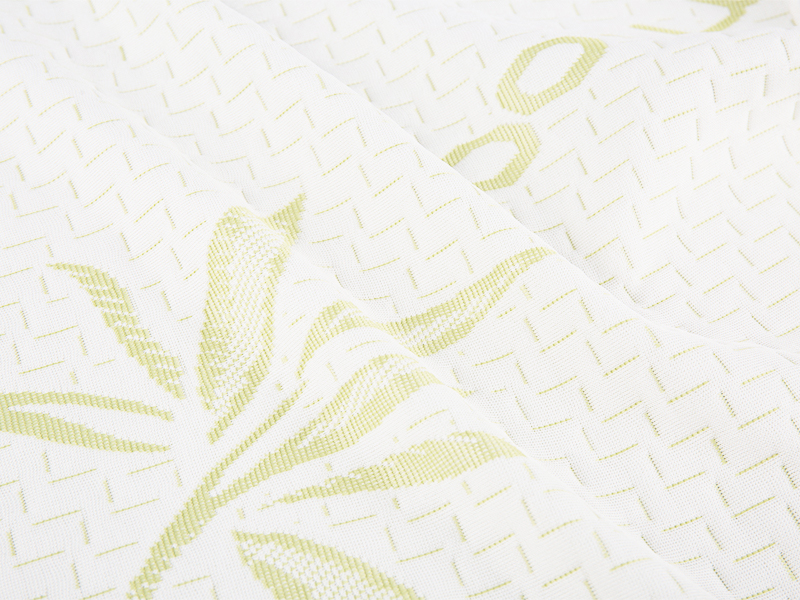
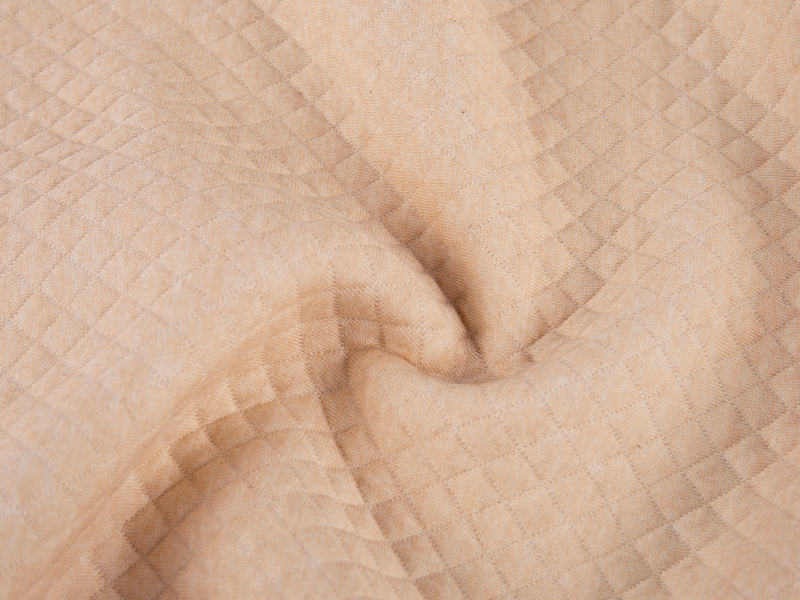
Mattress fabric refers to all textile components in a mattress construction — the outer sleeping surface cover (ticking), the quilted top panel, the side panels (border fabric), and any internal barrier or insulator layers. Each serves a distinct function in comfort, durability, and safety compliance:
| Fabric Layer | Position in Mattress | Material | Primary Function |
|---|---|---|---|
| Ticking (outer cover) | Outermost — sleeping surface | Knit polyester, polyester-cotton blend, bamboo-rayon blend | Comfort, aesthetics, containment of internal components |
| Quilted top panel | Top surface — bonded to ticking | Polyester fiberfill, foam, or wool quilted into cover fabric | Immediate pressure relief, soft hand feel at sleeping surface |
| Fire barrier / sock | Directly beneath outer cover | Fiberglass, wool, silica-rayon blend, FR-treated cotton | Fire resistance — regulatory compliance with 16 CFR 1633 |
| Damask border fabric | Side panels | Woven polyester or cotton-polyester jacquard | Structural edge definition, aesthetic finish, ventilation in some constructions |
| Insulator pad | Between comfort layers and coil system | Nonwoven polyester, recycled fiber pad, sisal | Prevents comfort foam from migrating into coil cavities; cushioning |
Outer Cover Fabric (Ticking) — What to Look For
The ticking fabric determines the immediate sleeping experience — its stretch, breathability, and thermal properties are felt directly through sheets and affect temperature regulation and pressure distribution at the sleep surface. Quality ticking fabrics in premium mattresses share several characteristics:
-
AFour-way stretch knit construction: A ticking fabric that stretches in all directions conforms to body contours rather than creating a flat tension surface that bridges over pressure points. This is particularly important in foam mattresses where the material below the ticking is pressure-conforming — a non-stretch ticking partially negates the contouring function of the foam beneath.
-
BPhase-change material (PCM) treatment or infusion: PCM-treated ticking fabrics absorb heat at the skin-fabric interface when body temperature rises above the PCM's transition temperature (typically 27–33 degrees Celsius), storing it as latent heat and releasing it as the sleeper cools. This active thermal buffering reduces the "sleeping hot" complaint associated with foam mattresses. The PCM is either applied as a coating to the fabric surface or infused into synthetic fibres during manufacturing.
-
CAntimicrobial treatment: Mattress ticking is in prolonged contact with the body during sleep — 6–8 hours nightly — during which perspiration, dead skin cells, and oils transfer to the fabric surface. Silver ion or zinc-based antimicrobial treatments inhibit bacterial and fungal growth in the ticking layer, reducing odour development and extending the hygienic life of the mattress between deep cleans. These treatments are standard in premium mattress ticking and are increasingly specified in mid-range products.
The Fiberglass Fire Barrier Problem — What Happens When It Is Exposed
Consumer complaints about fiberglass contamination from mattresses increased significantly after 2019, driven primarily by buyers who removed the zip-off outer cover of foam mattresses — often to wash it — without awareness that a loose fiberglass sock or layer was immediately beneath it. The consequences of releasing a fiberglass mattress barrier into a bedroom environment are significant and documented:
-
01Airborne glass fiber dispersal throughout the room: Fine glass fibers from a disturbed mattress barrier become airborne and settle on all horizontal surfaces in the room — furniture, carpets, clothing in open wardrobes, bedding, and flooring. Fibers below 3.5 microns in diameter are invisible to the naked eye and remain suspended in air for extended periods. Complete decontamination of a bedroom after a major fiberglass release typically requires professional cleaning of all textiles, hard surfaces, HVAC filters, and ductwork serving the room.
-
02Skin and mucous membrane irritation: Glass fibers in the respirable size range cause dermal irritation (itching, redness), eye irritation, and upper respiratory irritation upon exposure. These symptoms are typically self-resolving within 24–48 hours after exposure ends, but repeat exposure in a contaminated room before decontamination is complete perpetuates symptoms. Children and individuals with respiratory sensitivities are more severely affected.
-
03Mattress becomes unusable without the outer cover: A fiberglass-barrier mattress without its outer cover cannot be safely slept on — the barrier material is not a sleeping surface and direct contact with it produces immediate and severe skin irritation. The mattress must be replaced if the outer cover is lost or damaged beyond repair, as replacement covers are not commonly available for budget foam mattresses.
Fiberglass-Free Fire Barrier Alternatives Used in Quality Mattress Fabric
Premium mattress manufacturers achieve 16 CFR Part 1633 compliance without fiberglass using materials that are safe to handle, durable, and compatible with washable outer covers. The main alternatives each have distinct performance characteristics:
| Alternative Fire Barrier | Material | Performance | Consumer Safety | Cost Tier |
|---|---|---|---|---|
| Wool batting | Natural wool fiber, typically 1–2 oz/sq yd | Excellent — wool chars without igniting, self-extinguishing | Completely safe — cover removable | Premium |
| Silica-rayon blend yarn | Woven or knit silica and rayon | Very good — silica provides thermal stability | Safe — fused into fabric structure, does not release loose fibers | Mid to premium |
| FR-treated cotton or polyester | Natural or synthetic fiber with flame retardant chemical finish | Good — meets 1633 at appropriate application rates | Safe — no particulate release | Mid-range |
| Modacrylic fiber batting | Synthetic fiber with inherent flame resistance | Very good — fiber is non-igniting at standard temperatures | Safe — soft, non-irritating fiber | Mid to premium |
| Fiberglass sock (loose) | Woven fiberglass fabric formed into a mattress-shaped sock | Excellent — very effective fire barrier | Hazardous if outer cover removed — releases loose glass fibers | Budget |
What to Do If You Have Already Removed a Fiberglass Mattress Cover
If the outer cover of a fiberglass-containing mattress has been removed and glass fibers have been dispersed into the bedroom environment, the following steps minimise ongoing exposure and contamination spread:
-
01Immediately close the bedroom door and seal the gap at the base with a towel to prevent fibers from spreading to the rest of the home through air currents and foot traffic. Remove clothing worn in the contaminated room directly into a sealed plastic bag before leaving the room.
-
02Do not use a standard vacuum cleaner on the contaminated surfaces — standard vacuums without HEPA filtration exhaust fine glass fibers back into the air. Use a vacuum with a certified HEPA filter only, or arrange professional cleaning. Do not use a leaf blower, fan, or any device that generates airflow in the room before fiber settlement is complete (at least 2 hours of undisturbed settling time).
-
03Wash all bedding, clothing, and soft furnishings from the room separately from other household laundry, using the machine's self-cleaning cycle after each contaminated load. Dry outside if possible; check that the dryer exhaust vent does not recirculate into the home.
-
04Contact the mattress manufacturer about replacement or cover replacement. Some manufacturers supply replacement covers for fiberglass mattresses under warranty or for purchase. If the cover cannot be replaced and the mattress cannot be safely used, document the incident thoroughly (photographs, communications with the manufacturer, receipts) before disposing of the mattress, as this documentation supports any warranty or consumer protection claim.