 English
 русский
 Español
 中文简体
中文简体
Article Directory
- 1 1. Durability and Compression Recovery in the Bed-in-a-Box Lifecycle
- 2 2. Fire Safety and Chemical Compliance (FR Standards)
- 3 3. Production Efficiency and E-commerce ROI
- 4 Conclusion: The Strategic Choice for E-commerce
- 4.1 Frequently Asked Questions (FAQ)
- 4.1.1 1. Is Polyester mattress fabric breathable enough for "hot sleepers"?
- 4.1.2 2. How does Rongli ensure the sustainability of its synthetic fabrics?
- 4.1.3 3. Does the fabric smell after vacuum unboxing?
- 4.1.4 4. How to clean polyester mattress fabric without damaging the surface?
- 4.1.5 5. Can I get customized polyester mattress fabric designs for my brand?
- 4.2 Industry References
- 4.1 Frequently Asked Questions (FAQ)
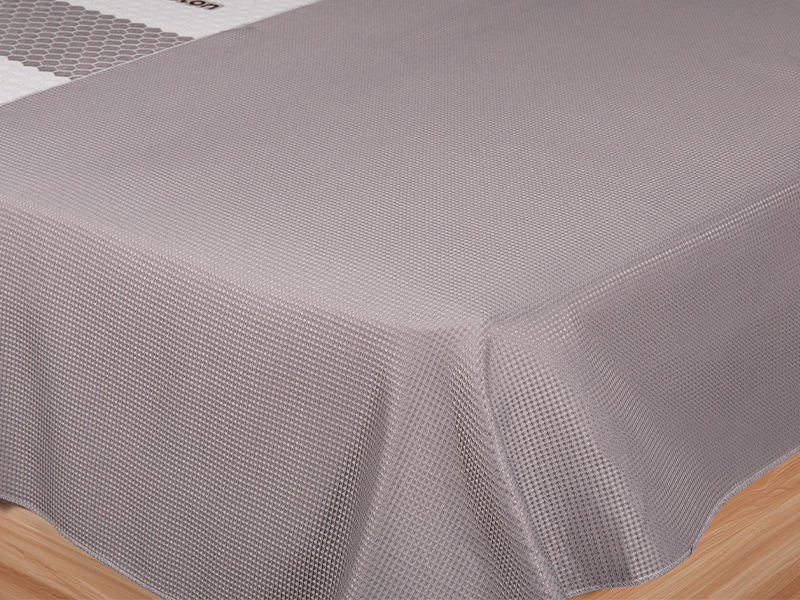
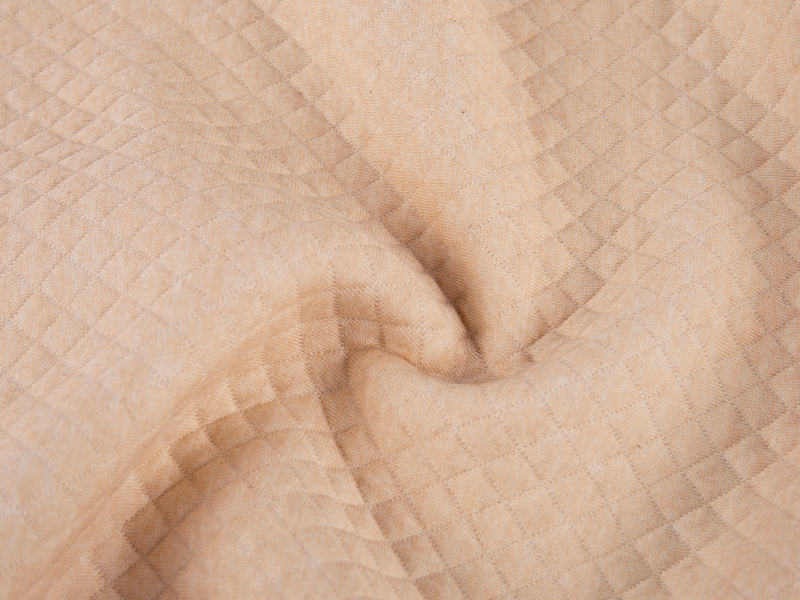
The rapid expansion of the direct-to-consumer (DTC) mattress industry has revolutionized textile requirements. In the "bed-in-a-box" model, the Polyester mattress fabric serves as the primary interface between the consumer and the engineering of the core. Established in 1989, Hangzhou Xiaoshan RongLi Clothing Co., Ltd. has stood at the forefront of modern mattress fabric innovation for over three decades. Covering 100,000 square meters and equipped with advanced waving machinery from West Germany and Italy, our "Rongli" trademark is synonymous with quality, having passed ISO9001:2000, EU REACH, and Oeko-Tex Standard 100. For e-commerce brands, selecting between a 100% Polyester mattress fabric and natural blends is a decision that impacts everything from compression recovery to long-term Return on Investment (ROI).
1. Durability and Compression Recovery in the Bed-in-a-Box Lifecycle
The "bed-in-a-box" logistics chain subjects textiles to extreme mechanical stress during vacuum compression and roll-packing. A high-performance knitted mattress fabric for e-commerce must exhibit excellent "creep resistance"—the ability to return to its original dimensions without permanent deformation. When comparing polyester vs cotton mattress fabric durability, polyester filaments possess a significantly higher tensile strength and elastic recovery rate, which prevents the "wrinkling" effect common in natural fibers after unboxing. Furthermore, how to clean polyester mattress fabric is a major selling point for e-commerce consumers, as its hydrophobic nature resists staining and moisture absorption better than hydrophilic natural blends. For manufacturers, utilizing a durable polyester mattress ticking ensures that the product reaches the end-user in pristine condition, regardless of transit time.
Mechanical Property Comparison
- Polyester Filaments: High crystallinity leads to superior dimensional stability during high-pressure compression.
- Natural Blends (Cotton/Bamboo): Prone to fiber crushing and localized "set" wrinkles when compressed for extended periods.
| Technical Attribute | Natural Blends (Cotton/Wool) | Polyester Mattress Fabric (High-Grade) |
| Compression Recovery | Moderate (Risk of permanent creasing) | Excellent (Rapid shape retention) |
| Tensile Strength | Low to Moderate | High (Engineered for tension) |
| Pilling Resistance | Variable (Depends on staple length) | Superior (Filament-based) |
2. Fire Safety and Chemical Compliance (FR Standards)
In the global market, particularly Europe and America, mattress textiles must meet stringent fire retardancy (FR) regulations. Modern fire retardant polyester mattress fabric is engineered with FR additives at the molecular level, ensuring permanent protection. When comparing FR properties of polyester vs natural fibers, synthetic fibers can be modified to melt away from heat sources, whereas untreated natural fibers act as fuel. Understanding REACH compliant mattress fabric standards is crucial for global e-commerce; all Rongli fabrics pass EU REACH and Oeko-Tex inspections, ensuring they are free from harmful substances. The benefits of 100% polyester mattress fabric also include its inherent resistance to biological threats, such as mold and dust mites, which is a significant factor in breathable polyester fabric for mattresses marketed toward allergy-sensitive demographics.
Safety and Compliance Sequence
- Polymer Additive Integration: Introducing flame-resistant phosphorus compounds during the extrusion of Polyester mattress fabric yarns.
- Inspection and Certification: Testing for EU REACH compliance and Oeko-Tex Standard 100 to ensure low VOC emissions.
- Mechanical Testing: Assessing mattress fabric pilling resistance through Martindale or Pilling Box methods.
| Compliance Factor | Untreated Natural Blends | Sustainable polyester mattress fabric |
| Flame Retardancy | Poor (Highly flammable) | Inherent or Treated (Class A/B) |
| Allergen Resistance | Low (Can harbor organic growth) | High (Inhospitable to dust mites) |
| Chemical Safety | Requires organic certification | Certified (Oeko-Tex/REACH) |
3. Production Efficiency and E-commerce ROI
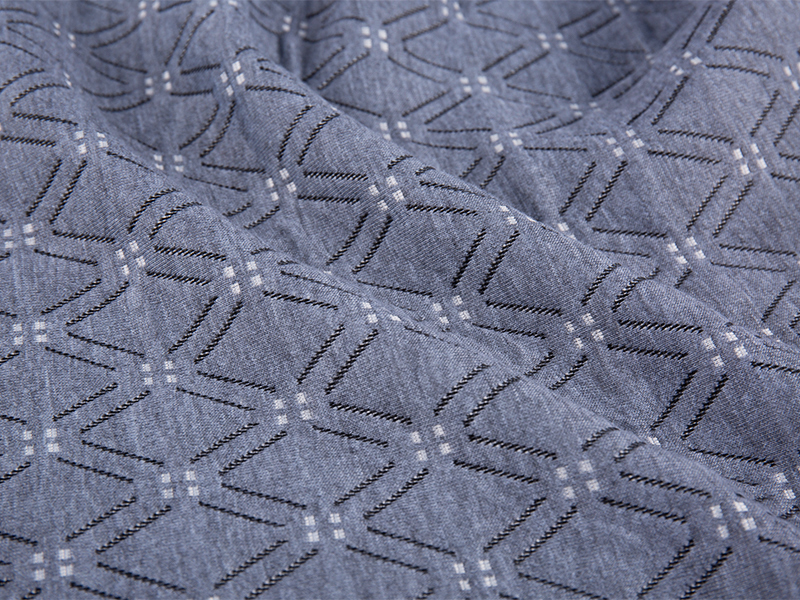
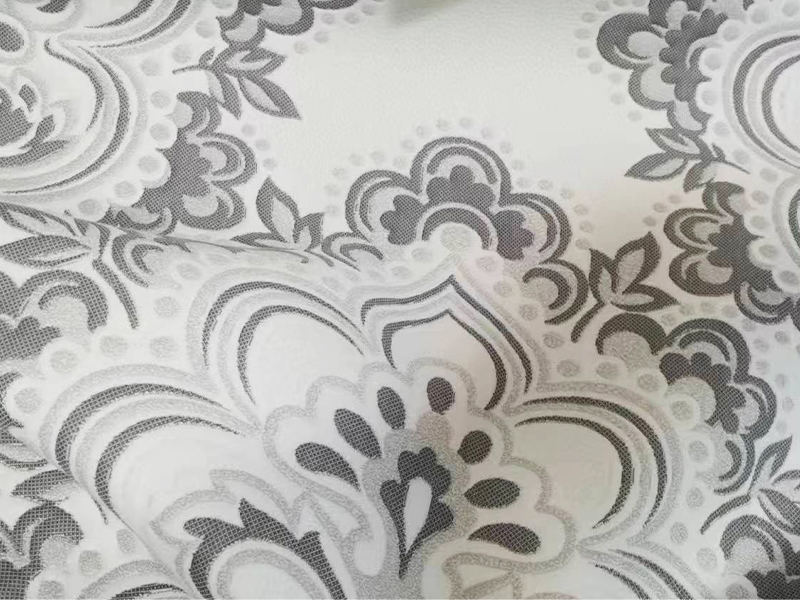
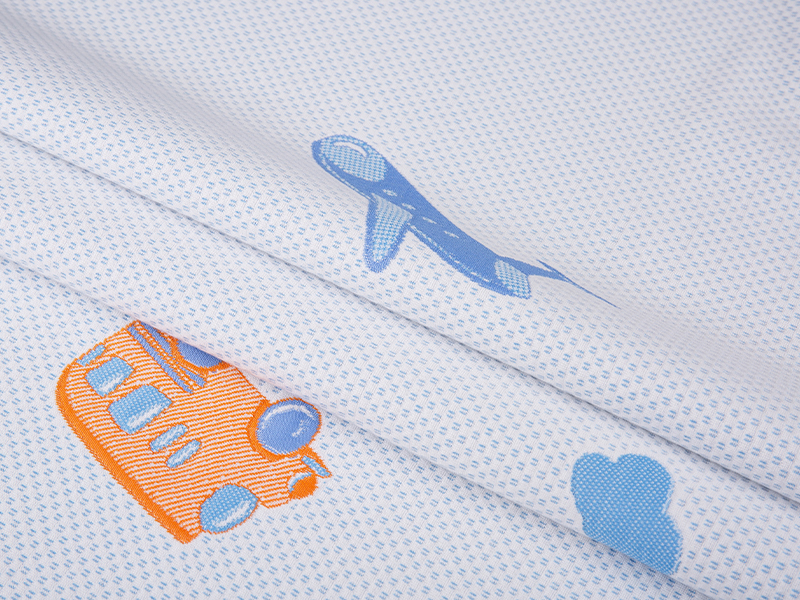
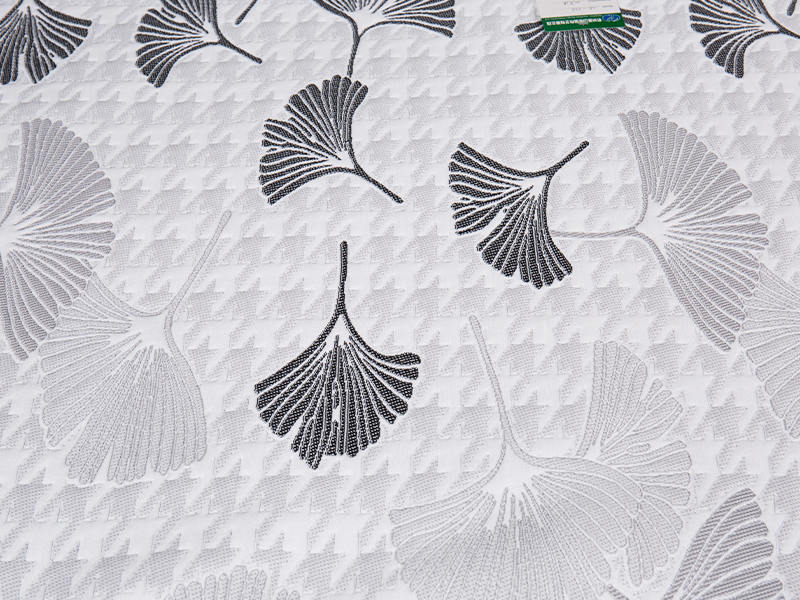
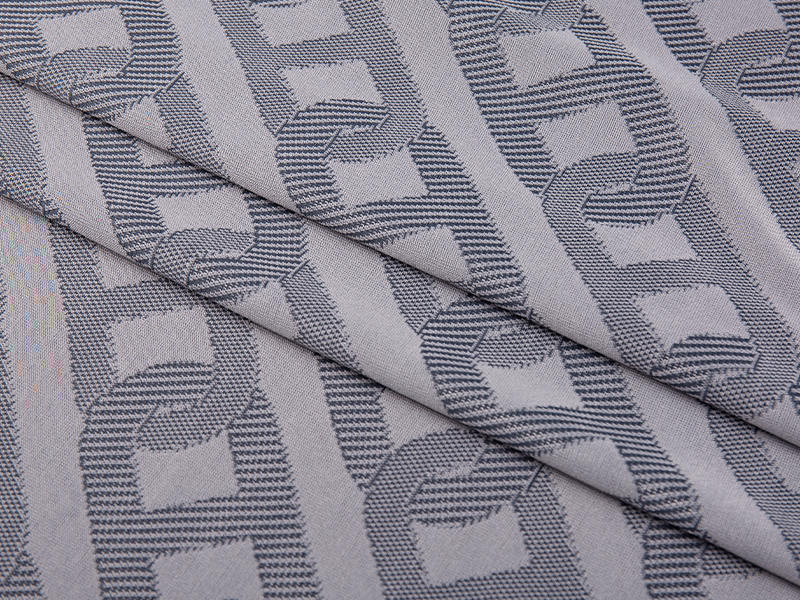
For high-volume bed-in-a-box brands, the wholesale polyester mattress fabric prices offer a decisive ROI advantage. Polyester's compatibility with high-speed Italian and West German jacquard machinery allows for intricate designs and customized polyester mattress fabric designs without the frequent thread breaks associated with short-staple natural yarns. When evaluating ROI for polyester mattress textiles, one must consider the lower return rates due to fabric failure. Furthermore, thermal transfer printed mattress material techniques work best on polyester, allowing brands to offer fashionable, high-resolution aesthetics that are vital for visual marketing. As a leading knitted mattress fabric manufacturer, Rongli helps clients balance the "luxury feel" of natural blends with the technical superiority and cost-efficiency of modern synthetics.
Conclusion: The Strategic Choice for E-commerce
While natural blends appeal to a specific eco-luxury niche, Polyester mattress fabric remains the superior choice for the bed-in-a-box market's ROI. Its resilience under compression, inherent safety compliance, and manufacturing versatility make it an indispensable tool for e-commerce growth. Hangzhou Xiaoshan RongLi Clothing Co., Ltd. continues to stick to our managing conception of "Technology, innovation, honesty and development," providing the global mattress industry with the high-specification materials required for the modern era.
Frequently Asked Questions (FAQ)
1. Is Polyester mattress fabric breathable enough for "hot sleepers"?
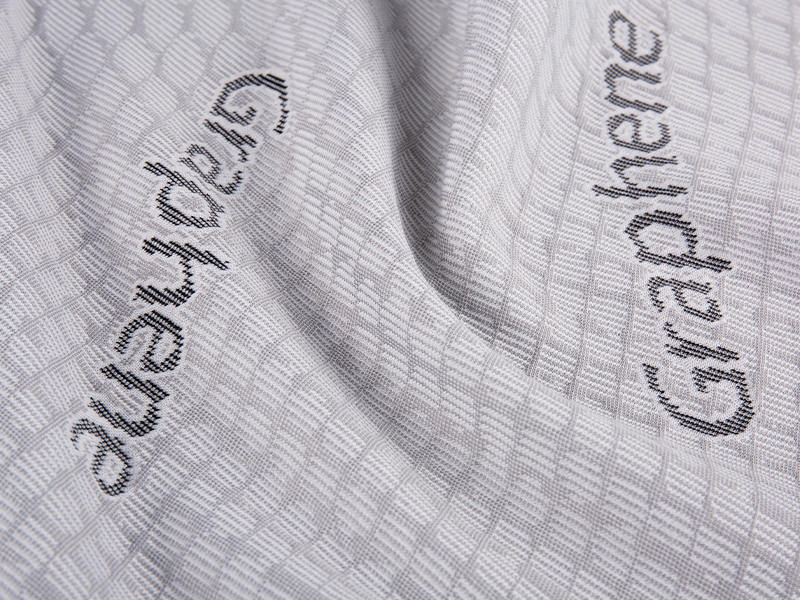
Yes. Modern engineering allows for breathable polyester fabric for mattresses using 3D knitting techniques and moisture-wicking finishes that often outperform traditional cotton in air permeability tests.
2. How does Rongli ensure the sustainability of its synthetic fabrics?
Our sustainable polyester mattress fabric options include GRS-certified recycled yarns, and all production follows ISO9001 quality systems and German Hein Stan Oeko-Tex standards to minimize environmental impact.
3. Does the fabric smell after vacuum unboxing?
By using REACH compliant mattress fabric standards, we ensure that our textiles have minimal off-gassing. Any initial "new fabric" scent typically dissipates within hours.
4. How to clean polyester mattress fabric without damaging the surface?
Because polyester is durable, it can usually be spot-cleaned with mild detergent. Its low absorption rate prevents liquid from seeping into the core foam layers.
5. Can I get customized polyester mattress fabric designs for my brand?
Absolutely. With advanced jacquard and thermal transfer printing machinery, we can produce a wide variety of fashionable styles tailored to your brand's specific identity.
Industry References
- Standard 100 by OEKO-TEX®: General Requirements for Textile Testing.
- ISO 9001:2015: Quality management systems.
- ASTM D4970: Standard Test Method for Pilling Resistance and Other Related Surface Changes of Textile Fabrics.
- Rongli Technical Whitepaper: "Elastic Recovery of Synthetic Filaments in Vacuum-Packed Bedding" (2025).