 English
 русский
 Español
 中文简体
中文简体
Article Directory
- 1 Why Cotton Sets the Standard for Pillow Fabric
- 2 Key Material Requirements for Cotton Pillow Fabric
- 3 Comfort Requirements: Breathability, Moisture Management, and Feel
- 4 Durability and Care Specifications
- 5 Safety and Certifications for Cotton Pillow Fabric
- 6 Selection Criteria for Manufacturers and Hospitality Buyers
- 7 Frequently Asked Questions
A hotel buyer once rejected a pillow line because the ticking failed a 50-wash internal test after only 12 cycles. The fill was fine; the cotton pillow fabric was the weak point. For manufacturers, hospitality directors, and bedding importers, the fabric shell determines whether a pillow feels breathable, stays smooth, and survives commercial laundering.
Why Cotton Sets the Standard for Pillow Fabric
Cotton pillow fabric is the reference material because it balances four measurable properties: air permeability, moisture regain, low static, and versatility in weave constructions.
Staple cotton fibers absorb up to 8 percent of their weight in moisture vapor before feeling damp, while polyester sits near 0.4 percent. That difference is why cotton covers do not stick to skin during the first hours of sleep. Cotton also carries a neutral pH and accepts high-heat laundering, which matters for hygiene protocols.
What Cotton Brings to the Pillow Construction
Unlike synthetic shells, cotton can be woven into percale, sateen, twill, and jersey knit, giving manufacturers a separate lever for hand feel and durability. Long-staple cotton varieties increase tearing strength, while shorter staple fibers can create surface fuzz that pills faster.
Key Material Requirements for Cotton Pillow Fabric
Cotton pillow fabric specification begins with three numbers: staple length, yarn count, and GSM.
For a hospitality-grade pillow shell, mills typically specify Ne 40/2 or Ne 60/2 combed cotton yarns in a plain woven construction at 120 to 140 GSM. Ne 40/2 means two yarns of metric cotton count 40 plied together; the higher the number, the finer the yarn and the smoother the cloth. A dense construction may use 200 to 300 threads per inch, but the fabric must still pass an air-permeability threshold above 80 mm/s to avoid a hot sleep surface.
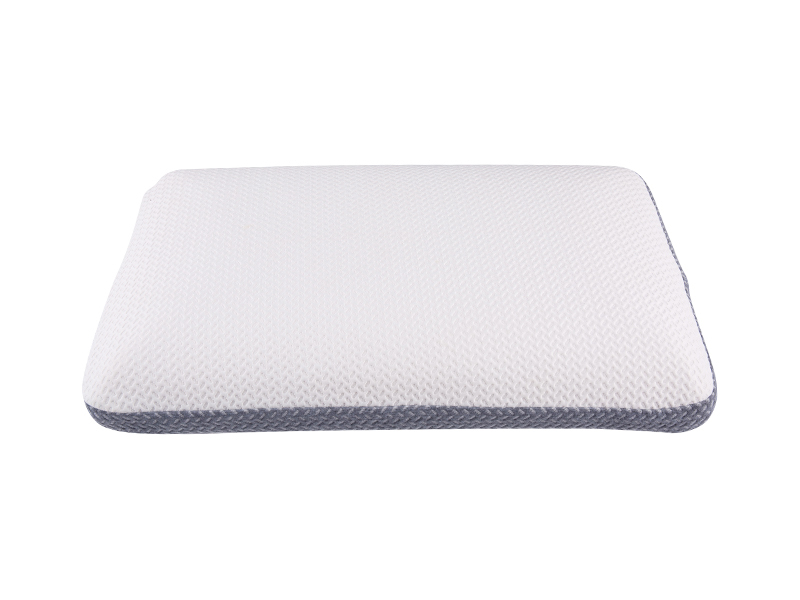 Industrial-Grade Cotton Pillow Fabric from RongLiThis high-density cotton pillow fabric offers a down-proof mechanical finish and is certified under Oeko-Tex and REACH. It suits hospitality use, addressing the preceding discussion on yarn count, weave density, and air permeability for comfortable pillow shells.View Product →
| End Use | Weave | GSM | Yarn Count |
| Hotel standard pillow | Percale | 120 to 140 | Ne 40/2 |
| Premium residential pillow | Sateen | 150 to 170 | Ne 60/2 |
| Baby pillow ticking | Knit jersey | 150 to 180 | Ne 30/1 |
Finishing matters as much as weaving. Bio-polish or singeing removes protruding cotton fibers, raising Martindale abrasion and reducing pilling. If the supplier uses resin finishes to control shrinkage, request a residual formaldehyde test and confirm it is below the Oeko-Tex restricted limit.
Comfort Requirements: Breathability, Moisture Management, and Feel
Comfort in cotton pillow fabric is the result of three measurable factors: air permeability, moisture vapor transmission, and surface friction against skin.
Air permeability is usually reported in mm/s at 100 Pa pressure drop. For pillow ticking, an acceptable range is 80 to 200 mm/s; below that, the pillow traps body heat. Moisture management also depends on the finishing chemicals added. A pure physical finish with no hydrophobic coating keeps the natural wicking path of the cotton fiber intact.
Cotton Pillow Fabric
- Natural moisture absorbency
- Low skin irritation
- Good heat tolerance in laundry
- Requires careful anti-pilling finishing
Polyester Pillow Fabric
- More resistant to pilling in low-grade finishes
- Dries faster after washing
- Lower moisture regain
- May need hydrophilic finishes
Surface feel is not subjective: a coefficient of friction above a comfortable threshold creates friction marks on the cheek and encourages side sleepers to reposition at night. A singed, combed cotton surface with a balanced weave lowers that interface discomfort.
Durability and Care Specifications
A cotton pillow fabric must survive at least 50 industrial wash cycles without failing the surface or seams, and pilling resistance should stay above grade 4 in the Martindale test.
Contract laundries use high-alkaline detergents and water at 75 degrees C, which strip weak finishes and accelerate shrinkage. Therefore, suppliers need to state a maximum shrinkage of 3 percent or less after five washes, and a tensile strength that keeps needle holes from tearing during pillow manufacturing.
How to Run a Quick Wash Test
- Cut a 30 by 30 cm sample and mark reference points at the center.
- Wash at 75 degrees C with standard industrial detergent for 30 minutes.
- Measure dimensions after five wash-dry cycles; reject samples that exceed 3 percent shrinkage.
- Grade pilling with a Martindale tester after 5,000 cycles; require grade 4 or higher.
Safety and Certifications for Cotton Pillow Fabric
Cotton pillow fabric sold into bedding and hospitality markets must come with a restricted substance document and either an Oeko-Tex Standard 100 certificate or a REACH declaration from the supplier.
Standard 100 sets limits for formaldehyde, heavy metals, pesticides, and colorant carcinogens in all components. Because pillows sit against the face for six to eight hours per night, buyers should ask for the certificate of the final textile, not just the fiber certificate. REACH certification covers the full EU chemical safety framework and is a separate document.
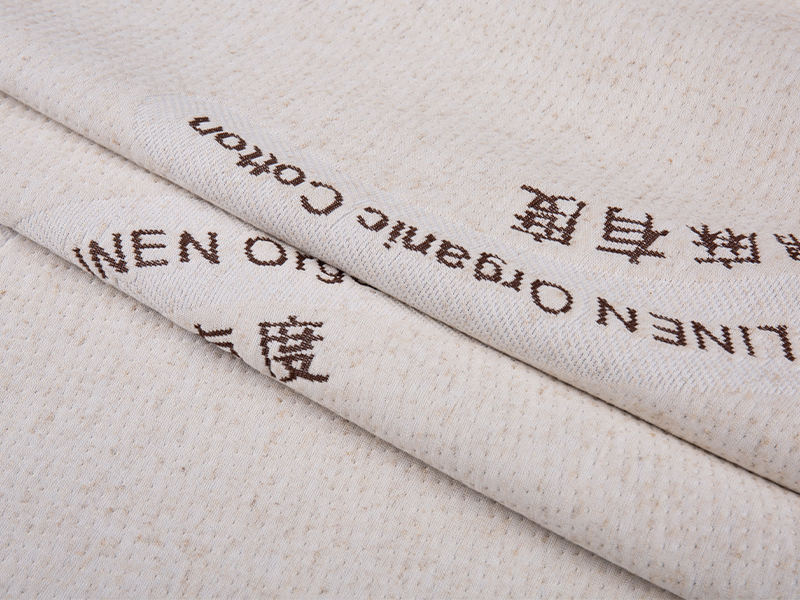 GOTS-Certified Organic Cotton Mattress FabricThis organic mattress fabric is produced through a GOTS-certified supply chain with circular knit or jacquard constructions. It fits the surrounding focus on certification limits and traceability, helping buyers verify final textile certificates for safe, compliant bedding.View Product →
For organic construction, the fabric must also carry a fibre traceability document from the gin to the spinning mill. We detail the full process in our Oeko-Tex cotton fabric guide, including test methods and common fail points.
Selection Criteria for Manufacturers and Hospitality Buyers
Select a cotton pillow fabric supplier by requesting a technical datasheet, a wash-test report, and a physical swatch set before the first order.
A credible supplier will publish GSM variance within 5 percent of the stated value, shade control under 7.0 CIELAB units across lots, and provide a yarn count check for every batch. The factory should also state whether they run under an ISO 9001 quality system and what machinery they use for weaving and finishing. An established mill such as Hangzhou Xiaoshan RongLi Clothing Co., Ltd. can provide these documents directly and has produced cotton pillow fabric under certified quality systems since 1989.
- Datasheet with fiber composition, yarn count, GSM, and weave density
- Independent lab report for pilling, shrinkage, and colorfastness
- Oeko-Tex certificate or REACH declaration covering the final fabric
- Proof of consistent color management across production lots
- Production capacity and lead time aligned with your launch calendar
Frequently Asked Questions
Is 100% cotton always the best pillow fabric?
No. A 100% cotton shell is the starting point, but blends with a small percentage of elastane or polyester can improve recovery and reduce wrinkling in contract laundry. Cotton remains the base because of moisture and comfort; blend content is a performance modification, not a downgrade.
What thread count is good for cotton pillow fabric?
For a woven pillow shell, a thread count between 200 and 300 is sufficient for durability and breathability. Numbers above 400 are often associated with sateen hand feel but may reduce air permeability, so the specification must include mm/s airflow, not only thread count.
Can cotton pillow fabric go in an industrial washing machine?
Yes, provided the fabric has a pre-shrink finishing and a colorfastness rating of at least 4. Industrial washing at 75 degrees C is a standard test used by hotels and institutional buyers, and the fabric specification should explicitly state the number of supported wash cycles.
Does organic cotton matter for pillow fabric?
Organic cotton eliminates pesticide residue concerns in the agricultural phase and is necessary for products carrying organic claims. For most contract buyers, the more important certificate is Oeko-Tex, because it covers the finished fabric, including dyes and finishing chemicals.