 English
 русский
 Español
 中文简体
中文简体
Article Directory
- 1 The Technical Imperative of OEKO-TEX Certification in 2026
- 2 Engineered Breathability and Moisture Management
- 3 Sustainable Durability: The Long-Term B2B Advantage
- 4 Frequently Asked Questions (FAQ)
- 4.1 1. What makes OEKO-TEX Standard 100 different from organic certification?
- 4.2 2. Can high-density cotton jacquard handle the weight of heavy mattresses?
- 4.3 3. Is 100% cotton fabric suitable for fire-retardant requirements?
- 4.4 4. Why is moisture-wicking important for a mattress protector?
- 4.5 5. Do you offer customized patterns for wholesale orders?
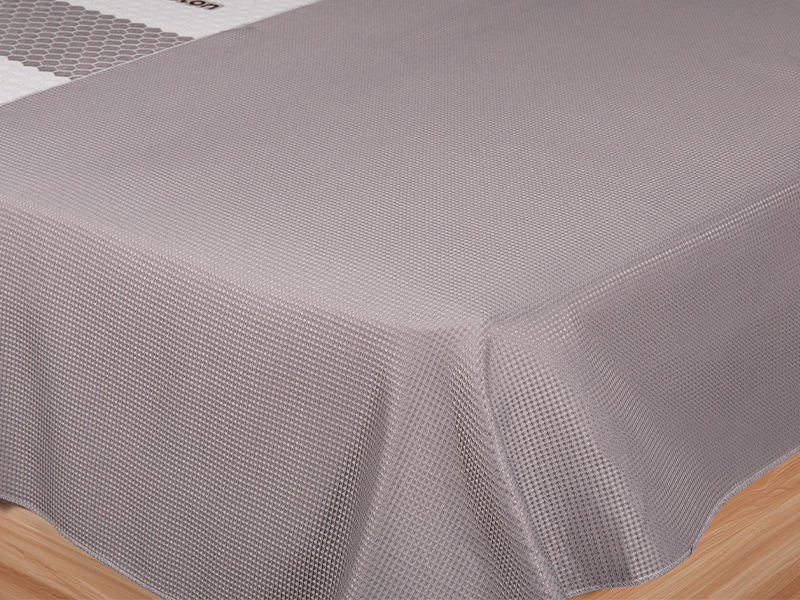
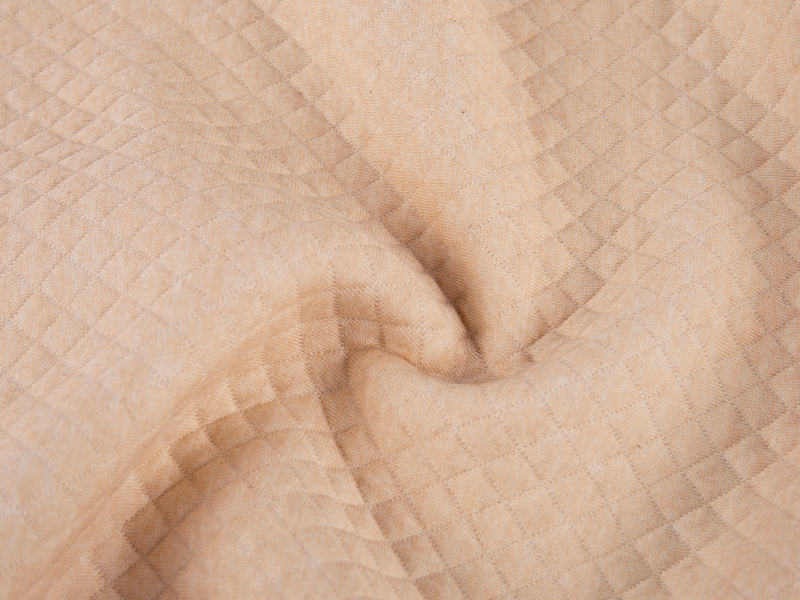
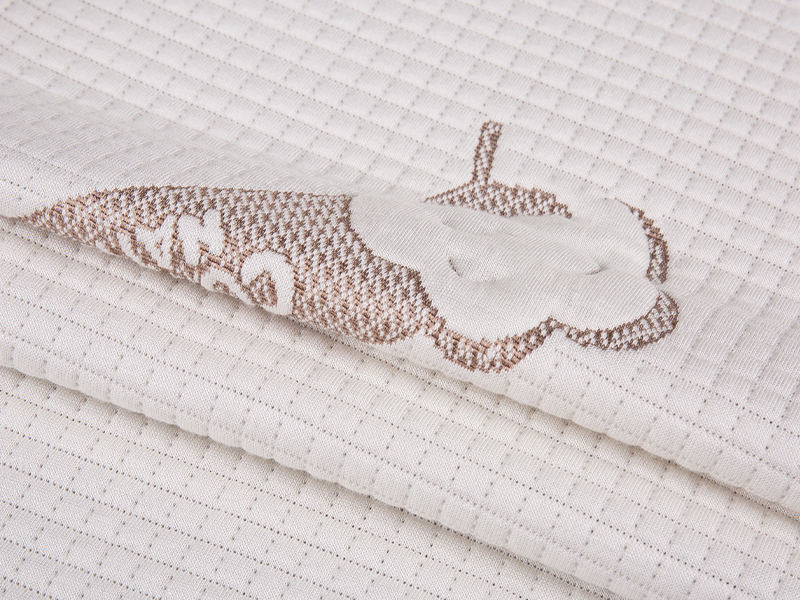
As we enter 2026, the global bedding industry is undergoing a paradigm shift where "luxury" is no longer defined solely by thread count, but by the intersection of ecological integrity and advanced textile engineering. For high-end bedding brands and B2B distributors, the choice of Cotton mattress fabric is the most critical touchpoint for consumer health and brand reputation. Hangzhou Xiaoshan RongLi Clothing Co., Ltd., established in 1989, has stood at the forefront of this evolution for over three decades. Operating across a 100,000 ㎡ facility and honored as an "AAA enterprise," we integrate German and Italian weaving technology to produce mattress textiles that meet the world's most stringent safety standards. Our commitment to OEKO-TEX Standard 100 cotton mattress ticking ensures that every yard of fabric is free from harmful substances, positioning our partners to lead in the competitive eco-luxury segment.
The Technical Imperative of OEKO-TEX Certification in 2026
In the current market, chemical transparency is non-negotiable. The OEKO-TEX Standard 100 is not merely a label; it is a comprehensive testing regime for regulated and non-regulated substances that may be harmful to human health. According to the 2025 Annual Report by the International Association for Research and Testing in the Field of Textile and Leather Ecology (OEKO-TEX), the criteria for "Product Class I" (articles for babies and toddlers) have been tightened to include stricter limit values for recycled materials and PFAS-free requirements. Utilizing OEKO-TEX Standard 100 cotton mattress ticking allows brands to bypass the risks of volatile organic compound (VOC) off-gassing, which is a major concern for modern consumers. While standard fabrics may satisfy basic regulatory requirements, certified textiles provide a verified barrier against allergens and skin irritants.
Source: OEKO-TEX - New Regulations 2025/2026 for Standard 100
Comparison: Standard Cotton Fabric vs. OEKO-TEX Certified Fabric
Standard cotton fabrics often retain traces of heavy metals or formaldehyde from the dyeing and finishing stages, whereas OEKO-TEX certified fabrics undergo rigorous laboratory testing to ensure chemical neutrality.
| Criteria | Standard Cotton mattress fabric | OEKO-TEX Certified Cotton mattress fabric |
| Formaldehyde Testing | Minimal or inconsistent testing | Strictly regulated below 16 ppm (Class I) |
| PFAS & Phthalates | May contain residual processing aids | Verified PFAS-free and phthalate-safe |
| Skin Sensitivity | Potential for contact dermatitis | Dermatologically safe for prolonged skin contact |
| Supply Chain Verification | Opaque chemical inputs | Full traceability of dyestuffs and auxiliaries |
Engineered Breathability and Moisture Management
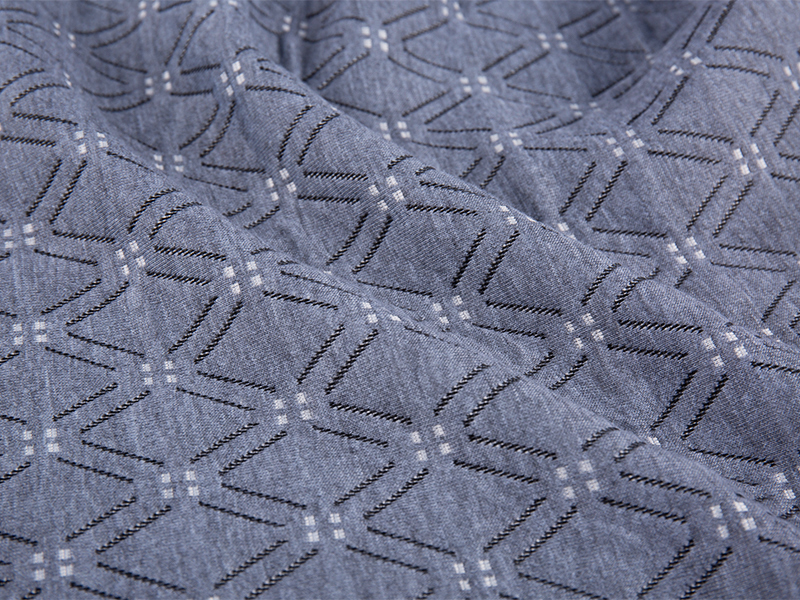
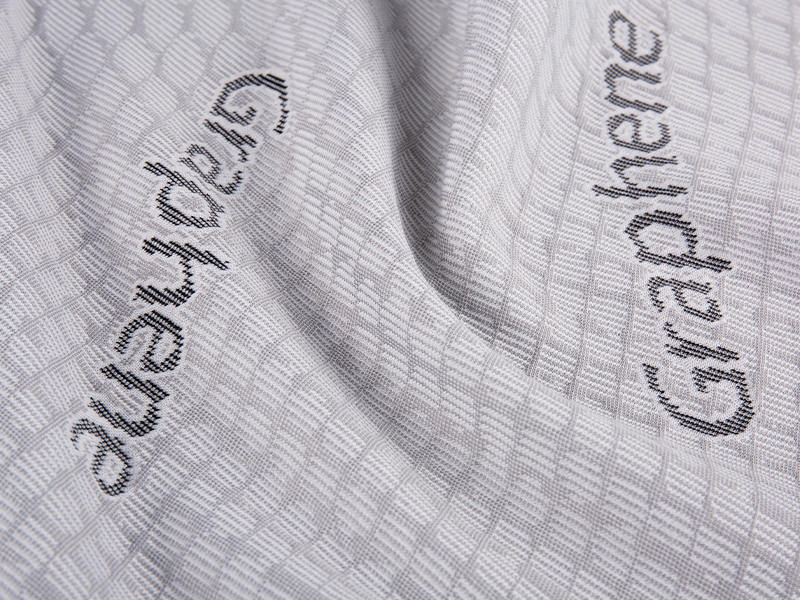
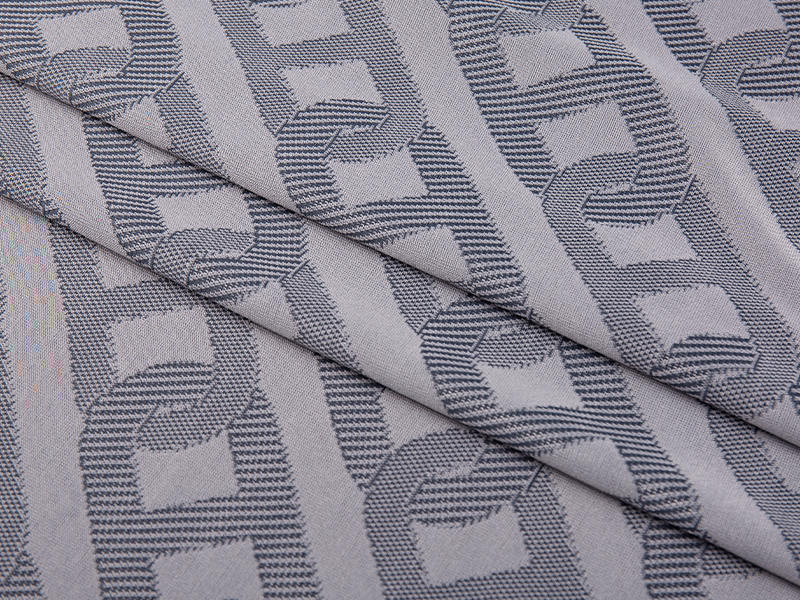
The luxury consumer of 2026 demands "thermal neutrality" during sleep. Cotton mattress fabric is naturally superior to synthetic alternatives due to its cellulose structure, which allows for high moisture vapor transmission. By selecting a breathable 100% cotton mattress protector fabric, manufacturers can significantly reduce the "micro-climate" humidity that accumulates between the sleeper and the mattress. According to the 2024 Textile Exchange Market Report, high-density cotton knits and jacquards have shown a 25% better moisture-wicking capability than standard polyester blends, making them the ideal choice for high-end cushions and mattresses. Our advanced weaving machinery from West Germany allows RongLi to produce high density cotton jacquard mattress fabric that maintains structural integrity while maximizing airflow.
Source: Textile Exchange - Materials Market Report 2024/2025
Thermal Performance Comparison
Synthetic fabrics tend to trap heat, leading to sleep disruption, while high-density cotton facilitates evaporative cooling through its hollow fiber lumen.
| Property | Polyester/Synthetic Blends | High density cotton jacquard mattress fabric |
| Air Permeability | Low (Traps heat) | High (Encourages convection) |
| Hydrophilic Nature | Hydrophobic (Sweat pools on surface) | Hydrophilic (Moisture is absorbed and released) |
| Static Electricity | High (Can attract dust mites) | Negligible (Naturally anti-static) |
Sustainable Durability: The Long-Term B2B Advantage
For B2B procurement, durability is a functional requirement of sustainability. A durable organic cotton mattress fabric for hotels must withstand rigorous use and repeated cleaning without losing its tactile softness or "Rongli trademark" luster. As an ISO9001:2000 accredited company, RongLi ensures that our tatting and knitting materials are engineered for longevity. In the 2026 market, durability is seen as the ultimate form of waste reduction; a fabric that lasts twice as long effectively halves the environmental footprint of the mattress over its lifecycle. Furthermore, our wholesale eco-friendly cotton mattress fabric complies with EU REACH regulations, ensuring that our European and American partners can import with total confidence in environmental compliance.
- Advanced Weaving: We use precision machinery to ensure uniform tension and superior pilling resistance.
- Diverse Varieties: From thermal transfer prints to intricate jacquards, we cater to fashionable global styles.
- Global Reputation: Our products are trusted in Japan, Korea, the Middle East, and beyond.
- Integrated R&D: We continuously innovate to combine traditional cotton comfort with modern high-performance finishes.
Frequently Asked Questions (FAQ)
1. What makes OEKO-TEX Standard 100 different from organic certification?
While organic certifications (like GOTS) focus on how the cotton is grown, OEKO-TEX Standard 100 focuses on the safety of the finished Cotton mattress fabric, ensuring no harmful chemicals remain after the dyeing and finishing processes.
2. Can high-density cotton jacquard handle the weight of heavy mattresses?
Yes. Our high density cotton jacquard mattress fabric is engineered with a high tensile strength specifically designed for the manufacturing of heavy luxury mattresses and sofa cushions.
3. Is 100% cotton fabric suitable for fire-retardant requirements?
Natural cotton can be treated with eco-friendly fire retardants to meet international safety standards (such as BS7177 or CFR 1633) while maintaining its OEKO-TEX certification status.
4. Why is moisture-wicking important for a mattress protector?
A breathable 100% cotton mattress protector fabric prevents moisture from seeping into the core of the mattress, which protects the internal materials from mold and extends the life of the entire sleep system.
5. Do you offer customized patterns for wholesale orders?
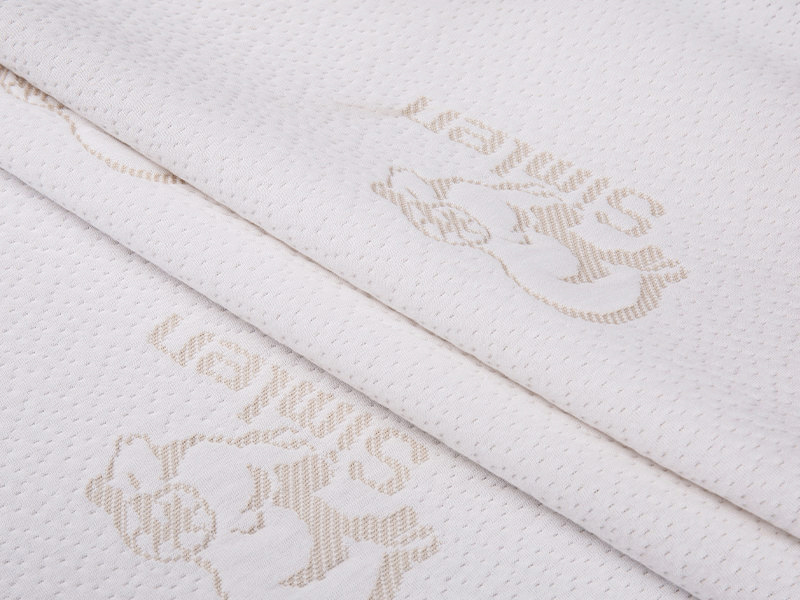
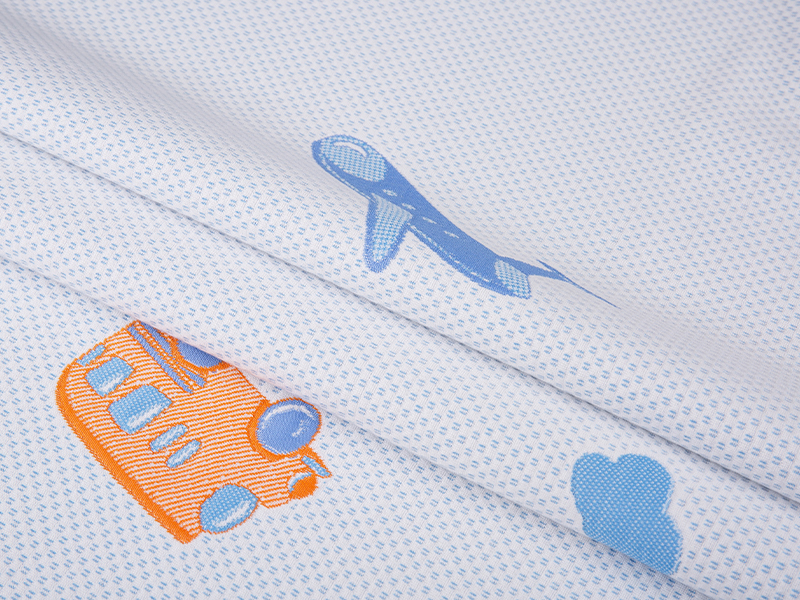
Absolutely. As an integrated design and production facility, we provide wholesale eco-friendly cotton mattress fabric with customizable jacquard patterns and thermal transfer prints to match your brand's unique aesthetic.