 English
 русский
 Español
 中文简体
中文简体
Article Directory
Two regenerated cellulosic fabrics sit side by side on a mattress ticking supplier's swatch rack: bamboo viscose and Tencel lyocell. Both are soft, breathable, and marketed under the eco umbrella, yet they behave differently during cutting, sewing, laundering, and years of nightly use. The choice determines whether a mattress cover wicks sweat or traps it, resists pilling or fuzzes, and survives repeated washing or loses shape.
What Are Bamboo and Tencel Mattress Fabrics?
Bamboo mattress fabric is a regenerated cellulosic textile produced by dissolving bamboo pulp into a viscous solution and extruding it as fiber, while Tencel is the commercial name for lyocell fiber made from eucalyptus wood pulp through a closed-loop solvent process.
In mattress ticking, both materials replace synthetic polyester covers with a natural-fiber feel. The bamboo route usually produces a looser, warmer hand, whereas Tencel yields a smooth, crisp surface that drapes cleanly over foam and spring cores. Manufacturers often spec either fabric at 180 to 250 GSM for upholstered mattress covers.
Core distinction: bamboo viscose and Tencel are both cellulosic fibers, but bamboo is typically made by the viscose process, while Tencel uses the lyocell process. That processing difference, not the plant source alone, drives most of the performance gap.
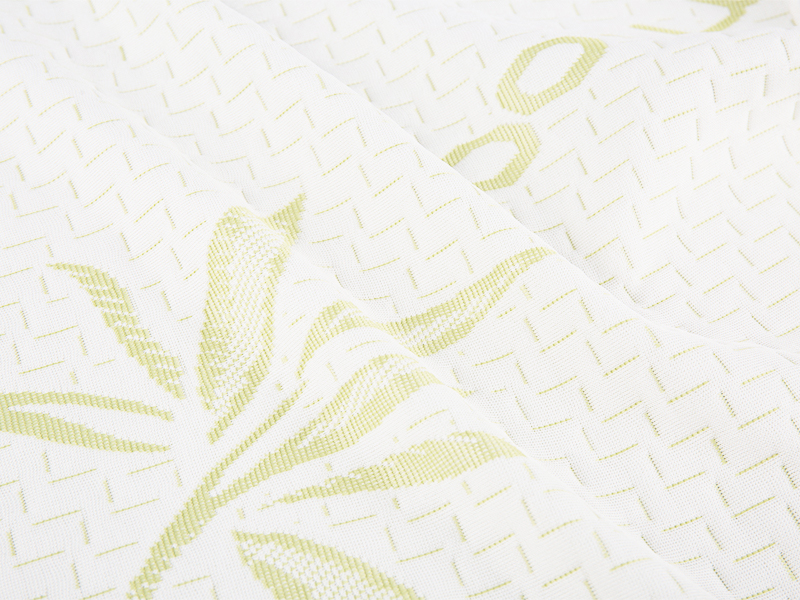
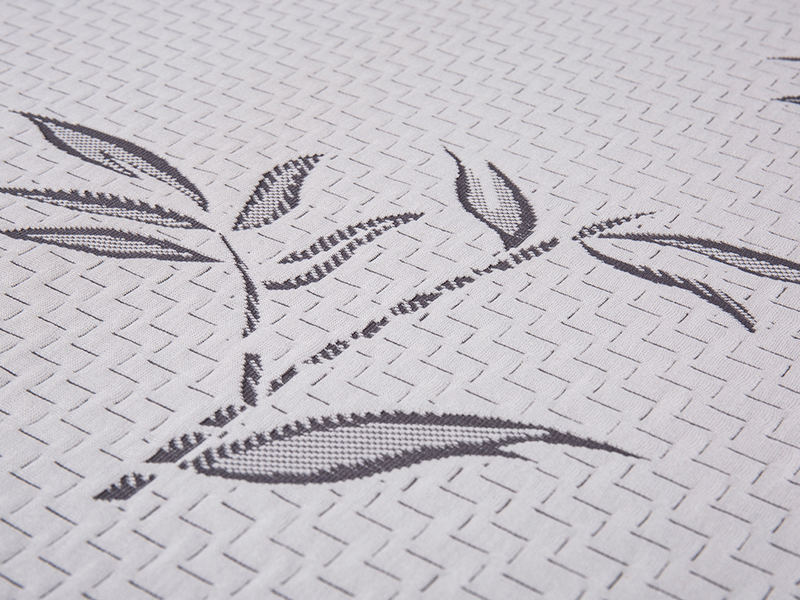
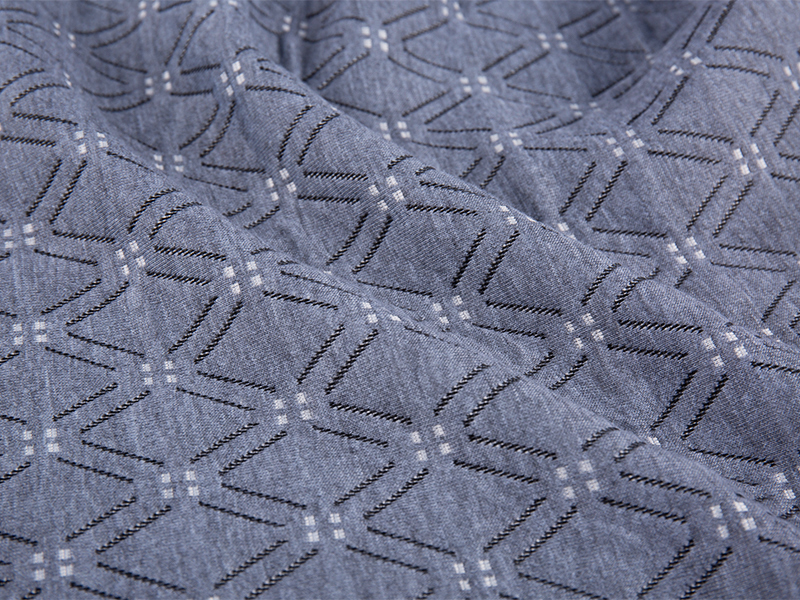
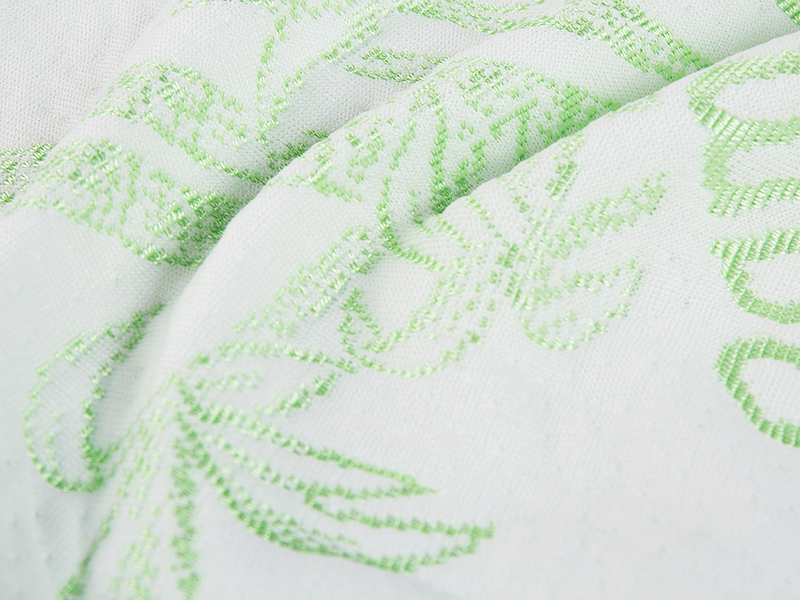 Bamboo Knitted Mattress Fabric with Antimicrobial and Moisture-Wicking PropertiesThis bamboo-derived fabric stands out for its micro-gap structure that enhances breathability and moisture absorption. It contains natural bamboo kun for antimicrobial action, and offers customizable blends and weights suitable for mattress ticking applications.View Product →
Material Origins and Fiber Structure
The raw material explains only part of the story: bamboo grows quickly with little irrigation, and eucalyptus plantations are managed specifically for pulp. The fiber chemistry is where the two diverge.
Bamboo viscose goes through an alkaline steeping and carbon disulfide treatment that breaks cellulose into a soluble compound, which is then spun and regenerated. Tencel lyocell dissolves wood pulp directly in an amine oxide solvent and spins it through dry-jet wet spinning, aligning the polymer chains more uniformly.
Bamboo Viscose
- Source: fast-growing bamboo grass
- Process: viscose route with caustic soda and carbon disulfide
- Fiber crystallinity: moderate, molecular chains less aligned
- Wet strength: loses 50 to 60 percent of dry strength
- Hand feel: plush, fuzzy, slightly warm
Tencel Lyocell
- Source: eucalyptus wood pulp from managed plantations
- Process: lyocell route with amine oxide, 99 percent solvent recovery
- Fiber crystallinity: high, polymer chains highly oriented
- Wet strength: retains roughly 85 percent of dry strength
- Hand feel: smooth, crisp, silk-like
The physical structure dictates durability: Tencel's highly crystalline fibers resist breaking and fibrillation, while bamboo's softer structure trades long-term strength for an immediately plush touch.
Performance Comparison: Moisture, Breathability, and Temperature Control
Moisture vapor transmission rate is the single most useful number when comparing ticking fabrics, and at the same GSM, Tencel lyocell moves sweat vapor away from the skin faster than bamboo viscose.
Both fibers absorb moisture into their structure instead of leaving it on the surface, which is why cellulosic ticking feels drier than polyester. Bamboo viscose holds up to 13 percent of its own weight in moisture; Tencel absorbs about 11.5 percent but releases it to the air more efficiently, keeping the sleeping surface in a stable comfort range.
| Property | Bamboo Viscose | Tencel Lyocell |
| Moisture regain | 12 to 13 percent | About 11.5 percent |
| Moisture vapor transmission | High | Higher, faster release |
| Wet strength | Moderate | Excellent |
| Pilling tendency | Moderate | Low |
| Hand feel | Plush and soft | Smooth and cool |
| Dimensional stability | Fair | Excellent |
| Relative price | Lower | Higher |
For hot sleepers, the practical difference is small but measurable: Tencel ticking reaches a stable microclimate faster because its fibrillar surface wicks and evaporates sweat vapor more quickly than bamboo viscose at the same construction weight.
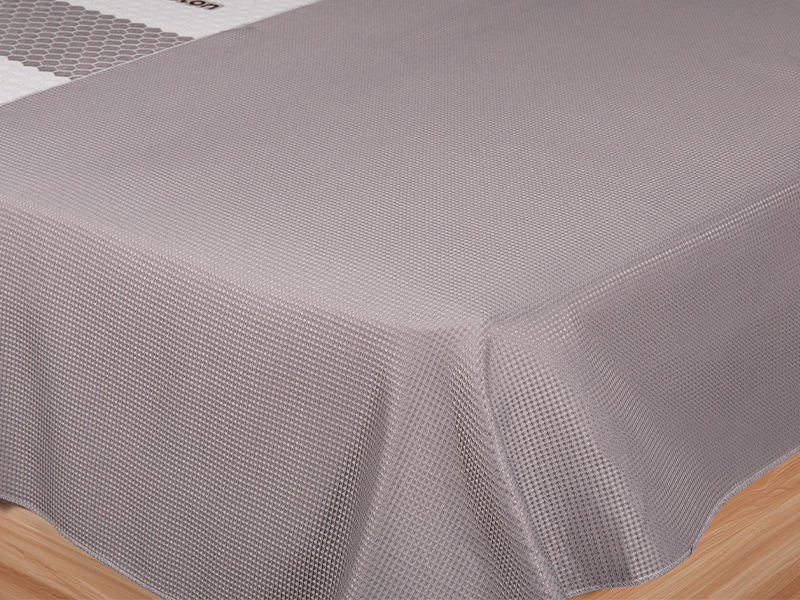
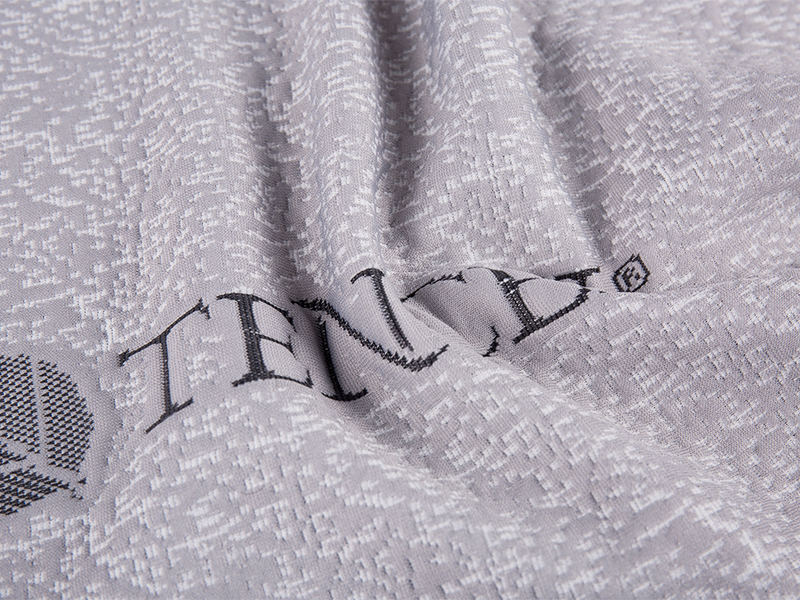
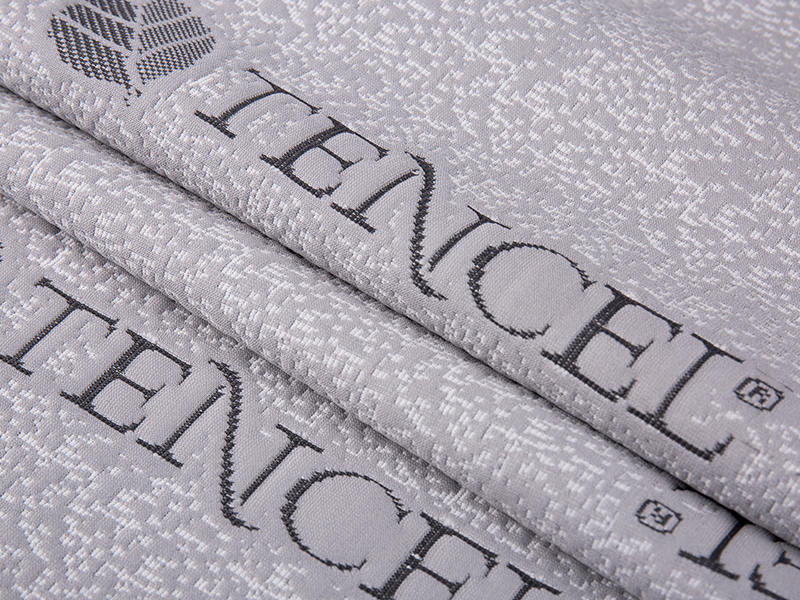 Tencel Lyocell Mattress Fabric with High Strength and Moisture ManagementEngineered via a closed-loop process, this lyocell fabric features hydrophilic fibrils that rapidly wick sweat, supporting a dry sleep microclimate. Its wet and dry tensile strength ensures dimensional stability through repeated washing and compression.View Product →
Durability, Pilling, and Hand Feel
Tencel lyocell is the stronger fiber, and that advantage shows up in pilling tests and seam integrity, especially after the cover is washed and dried repeatedly.
Higher wet strength means fewer fibers break during laundering, and fewer broken fibrils means less pilling. Bamboo viscose starts softer, but its surface roughens with friction; the mattress cover develops a washed-out, fuzzy texture over time.
- Pilling resistance: Tencel's smooth fiber surface resists fuzzing; bamboo viscose shows pills earlier.
- Laundering: Tencel handles warm water and gentle machine cycles; bamboo viscose needs cool water and mild detergent.
- Abrasion: Tencel passes higher Martindale rub counts; bamboo wears at a lower threshold.
- Initial feel: Bamboo feels plush and cozy; Tencel feels smooth and cooling.
Martindale abrasion threshold for a 220 GSM Tencel mattress ticking before visible change; bamboo viscose at the same weight typically fuzzes at 15,000 to 20,000 rubs.
Sustainability and Certifications
Tencel lyocell has the stronger environmental case on paper because the closed-loop lyocell process recovers more than 99 percent of the solvent, whereas the conventional viscose route used for most bamboo fabric releases processing chemicals unless the mill invests in recovery systems.
Bamboo's sustainability claim rests on the plant itself: it grows fast, tolerates drought, and needs little pesticide input. But the processing chemistry undermines that story. Buyers who want verifiable environmental credentials should request Oeko-Tex Standard 100 certification and EU REACH compliance documents from the mill, and prefer suppliers that disclose their solvent recovery rate.
Hangzhou Xiaoshan RongLi Clothing Co., Ltd., a mattress fabric manufacturer with more than three decades of production experience, supplies both bamboo and Tencel lyocell mattress fabrics that carry Oeko-Tex Standard 100 certification and meet EU REACH requirements. The company also offers a range of eco-friendly mattress fabrics for brands that need documented compliance.
Certification is the tie-breaker: Oeko-Tex Standard 100 and EU REACH compliance confirm that the finished fabric is free from harmful levels of regulated substances, regardless of which fiber carries the claim.
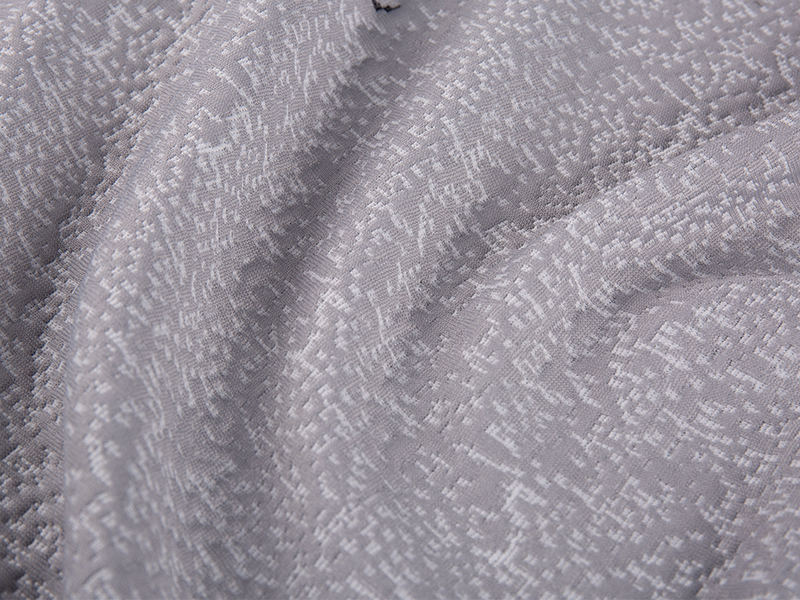 Tencel Lyocell Pillow Fabric with Smooth Fiber and Humidity ControlThis pillow fabric uses nanofibril structure to absorb 50% more water vapor than cotton, keeping the surface dry and cool. Naturally hypoallergenic and static-free, it maintains a silk-like sheen and integrity after repeated laundering.View Product →
How to Choose Between Bamboo and Tencel
Define the mattress's market position first, because bamboo and Tencel serve different price points; bamboo viscose fits value and mid-range lines, while Tencel supports premium and performance claims.
Match the fabric to the selling story: an entry-level model needs a soft hand and lower cost; a flagship line needs documented durability, cooling performance, and eco-credentials. Reviewing the full mattress ticking fabric collection helps align the cover material with the bed's intended retail position.
Define the mattress segment
Set the retail price, target climate, and marketing message before touching swatches.
Set performance benchmarks
Specify Qmax for cooling, Martindale rubs for abrasion, and a maximum shrinkage of 3 percent after launder.
Test finished covers
Sew complete mattress covers, launder them in production conditions, and inspect seams, pilling, and color change.
Verify compliance documents
Request Oeko-Tex Standard 100 certificates, REACH declarations, and fiber content statements from the mill.
Compare supply conditions
Check minimum order quantities, lead time, and shade consistency across dye lots.
Fast decision rule: if the mattress story centers on silky eco-luxury, choose Tencel. If it centers on soft natural comfort at a competitive price, bamboo viscose is the pragmatic pick.
Frequently Asked Questions
Is bamboo or Tencel better for hot sleepers?
Tencel lyocell moves moisture vapor away from the skin slightly faster, which makes it the more effective option for humid nights and hot sleepers. Bamboo viscose feels cool to the touch initially, but its lower moisture vapor transmission rate at the same GSM makes the microclimate harder to stabilize during long sleep periods.
Does bamboo mattress fabric pill more than Tencel?
Yes. Bamboo viscose fibers are less crystalline and break more easily under abrasion and washing, which forms pills on the cover surface. Tencel lyocell's aligned molecular structure and smooth surface resist fibrillation, so tightly woven Tencel ticking keeps its appearance longer.
Are bamboo and Tencel mattress fabrics both eco-friendly?
Both start from renewable biomass, but the manufacturing process decides the environmental impact. Tencel lyocell uses a closed-loop process with 99 percent solvent recovery. Bamboo viscose is sustainable only when the mill operates certified closed-loop viscose technology; otherwise, the chemical processing is a legitimate concern.
What GSM should a bamboo or Tencel mattress fabric have?
For upholstered mattress covers, the practical range is 180 to 250 GSM. Lightweight 180 to 200 GSM covers work well for summer or guest bedding, while 220 to 250 GSM provides more cushioning, better abrasion resistance, and a more premium hand feel for daily-use mattresses.
The right fiber depends on your mattress segment, target price, and the performance claims you need to document.