 English
 русский
 Español
 中文简体
中文简体
Article Directory
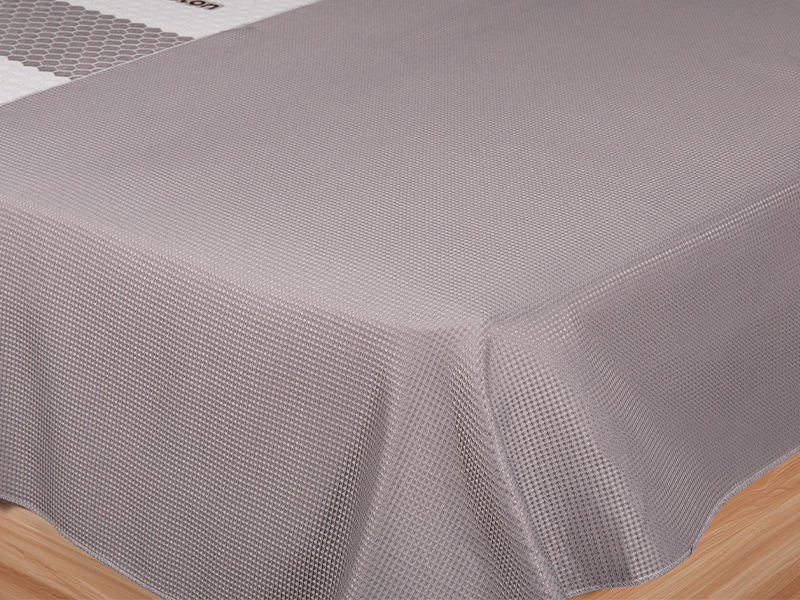
Every mattress lives or dies by its cover. Mattress Ticking Fabric takes more daily stress than almost any other textile in the home, so its manufacturing process has to lock in durability, breathability, and softness at every stage, from yarn selection through the final quality inspection.
What Mattress Ticking Fabric Does
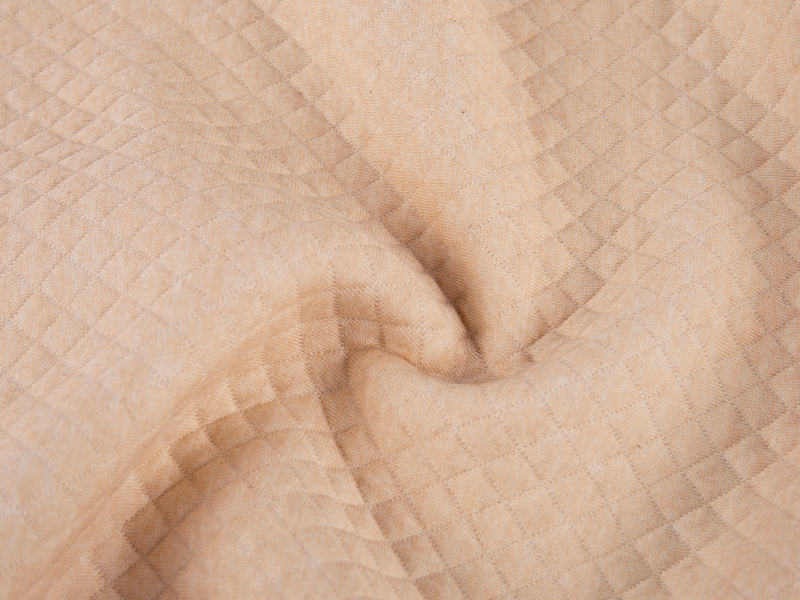
Beyond covering the mattress, this fabric protects the internal materials, shapes the sleeping surface's comfort, and carries most of the visual appeal of the finished product. Fiber choice sets the baseline for all three.
| Polyester | Durable and easy-care |
| Cotton | Soft and breathable |
| Polyester-Cotton Blend | Balanced performance |
| Recycled Polyester | Sustainable option |
Choosing a Fiber: Durability vs Softness
Polyester leads on durability, abrasion resistance, and color retention, which is why it dominates commercial and hotel mattress production. Cotton trades some of that toughness for natural softness and moisture absorption. Blended yarn splits the difference, pulling polyester's strength and cotton's comfort into one fabric.
Illustrative Durability Score by Fiber (out of 10)
Knitted vs Woven Structure
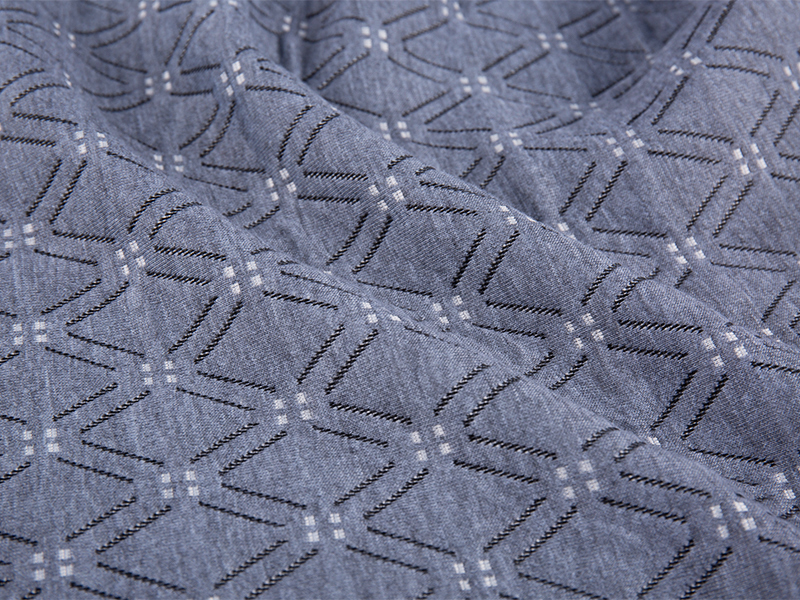
Knitting interlocks yarn loops for a stretchier, softer surface well suited to memory foam mattresses. Weaving crosses warp and weft yarns for higher dimensional stability and a stronger structure, more common on traditional and high-strength mattress covers.
From Yarn to Finished Roll: The Manufacturing Process
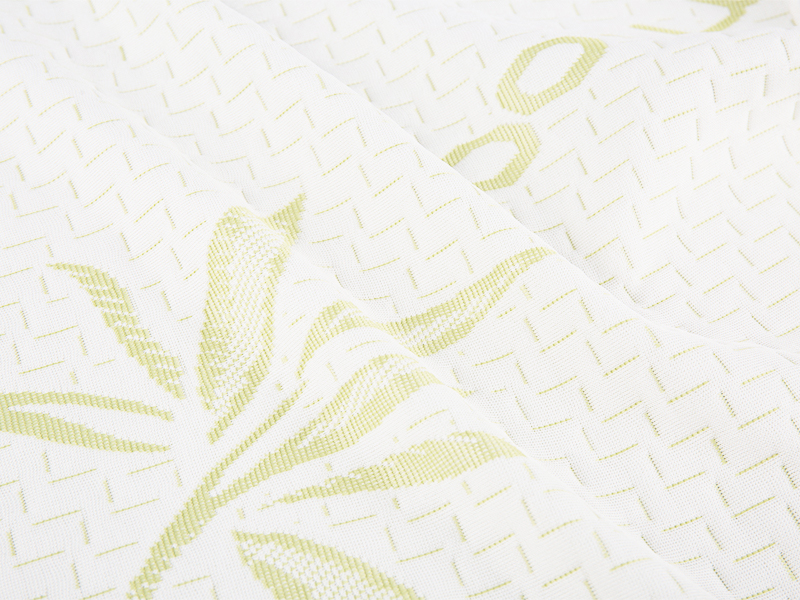
Yarn preparation, winding, cleaning, and tension adjustment, sets the foundation for a uniform fabric structure before weaving or knitting even starts. Dyeing and, where the design calls for it, jacquard or digital printing come next, followed by functional finishing that turns a plain textile into a fabric built for a specific mattress application.
Functional Finishing Treatments
Quality Testing Before Shipment
A batch of Mattress Ticking Fabric doesn't ship until it clears physical, appearance, and functional testing, since a defect caught after quilting is far more expensive than one caught on the roll.
Illustrative Quality Test Priority (out of 10)
Where Manufactured Fabric Ends Up
Hotel bedding leans hardest on durability and easy maintenance under high turnover. Healthcare bedding prioritizes hygiene performance and easy cleaning above almost everything else. Customized bedding programs can adjust pattern, color, fiber composition, and functional treatment together for a specific brand or use case.
Frequently Asked Questions
What is mattress ticking fabric made from?
Common materials include polyester, cotton, polyester-cotton blends, and recycled polyester, each chosen for a different balance of durability, softness, and sustainability.
Is knitted or woven mattress fabric better?
Neither is universally better. Knitted fabric offers more elasticity and softness, while woven fabric offers higher dimensional stability and structural strength.
What finishing treatments improve mattress fabric?
Antibacterial, anti-mite, moisture-wicking, and cooling finishes are the most common, each targeting hygiene, comfort, or temperature regulation.
What quality tests does mattress ticking fabric go through?
Manufacturers typically test tensile strength, abrasion resistance, color fastness, shrinkage control, and fabric weight before shipment.