 English
 русский
 Español
 中文简体
中文简体
Article Directory
How Cotton Mattress Fabric Manufacturing in an OEM Plant Works
When a mattress factory specifies "cotton mattress fabric," the decision goes far beyond fibre content. Two materials can both be labelled 100% cotton, yet perform completely differently depending on how the yarn was prepared, whether the fabric was woven or knitted, and which finishing steps were applied. These choices set the price, the hand feel, and the way the fabric behaves during quilting, foam lamination, and years of use. That is why a practical OEM cotton mattress fabric manufacturing guide starts with the manufacturing route, not just the fibre.
Yarn Preparation: Combed vs. Carded Cotton
The first quality divider is the yarn. Combed cotton removes short fibres before spinning, producing a smoother, stronger yarn with a cleaner surface and lower pilling risk. Carded cotton is cheaper, but the surface is usually fuzzier and more prone to abrasion marks. For mattress surfaces that will be quilted, tufted, or printed, most OEM buyers specify combed cotton. If your supplier cannot tell you which yarn type is in their standard construction, that is already a signal to dig deeper.
Weaving and Knitting: Two Different Performance Profiles
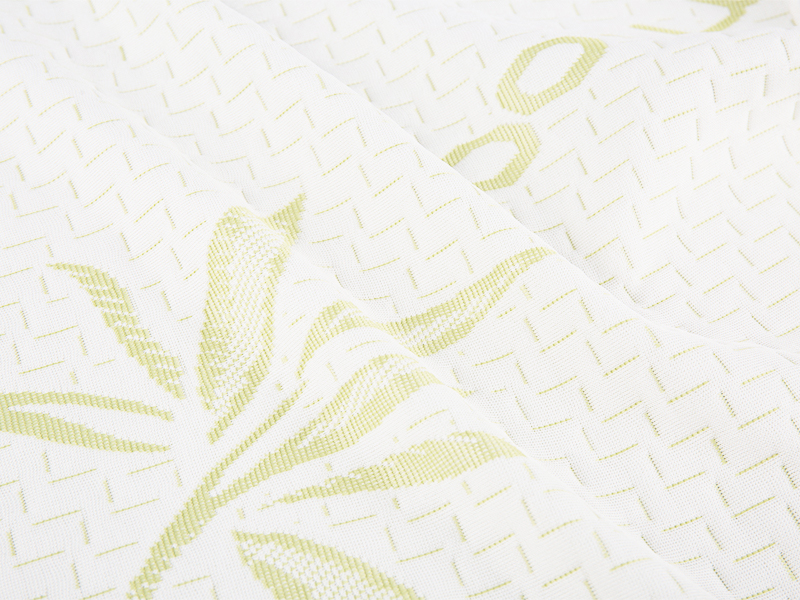
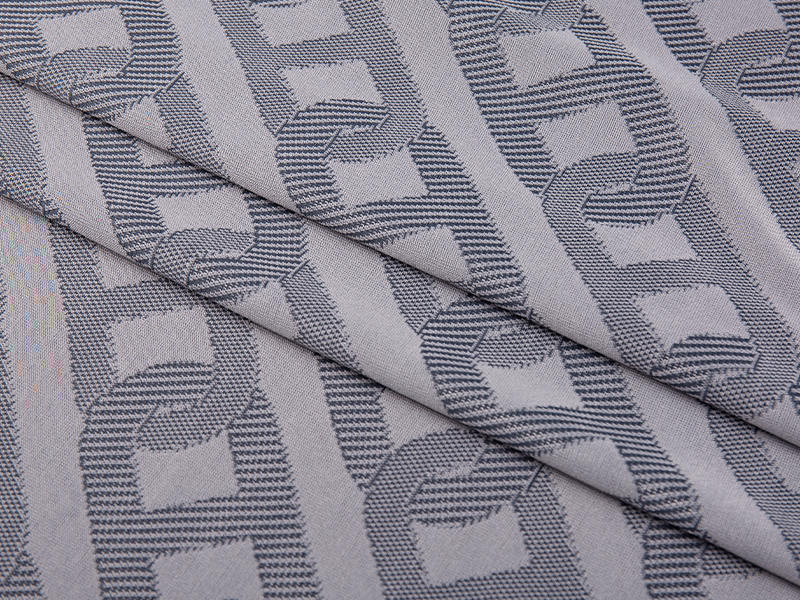
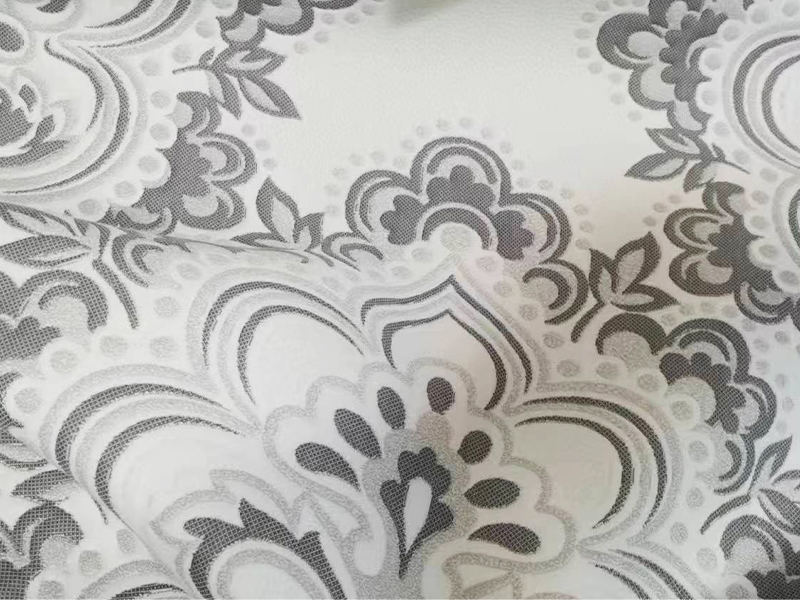
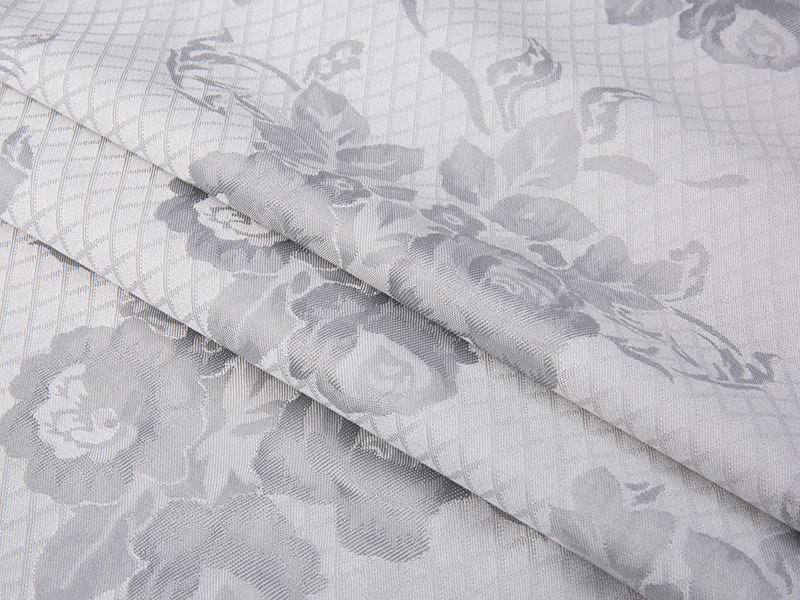
Woven cotton mattress fabrics are tighter, more dimensionally stable, and more resistant to distortion. That is why woven constructions remain the default for mattress ticking and top panels. Knitted cottons, such as single jersey or double knit, are softer and stretchier, which makes them a common choice for removable mattress covers and comfort layers. Jacquard versions of both structures create patterns inside the fabric itself, so the design does not singe, peel, or fade in later finishing.
Finishing Steps That Decide How the Fabric Behaves
A cotton fabric fresh from the loom or knitting machine is still unstable. It can shrink, distort, or produce a fuzzy surface unless the mill applies the right finishing sequence: desizing, pre-shrinking, heat setting, possibly mercerising for strength and lustre, then dyeing, printing, and pilling control. Pre-shrinking matters most for fitted covers. The fabric also needs to lie flat so that the pattern alignment stays straight when the mattress factory runs it through a quilting machine. In an OEM relationship, these process details should be visible on the supplier's technical datasheet.
Key Cotton Mattress Fabric Specifications for OEM Buyers
Start your enquiry with clear parameters rather than vague adjectives like "premium" or "soft." The following specification points control most of your cost, production efficiency, and field performance.
| Parameter | Typical Range | Why OEM Buyers Should Verify It |
|---|---|---|
| Grammage (GSM) | 180–300 g/m² | Low GSM is less expensive but gives a thinner, less stable panel; high GSM increases comfort but raises cost per metre. |
| Yarn Count | Ne 20–Ne 60 | Higher count feels finer against the skin but can lower tear strength in automated quilting processes. |
| Fabric Width | 160–280 cm | Width must match the mattress factory’s cutting and quilting line to avoid wasted edge trim. |
| Construction | Plain, twill, knit, jacquard | The structure defines dimensional stability, stretch, durability, and whether patterns need printing or are woven in. |
For most standard adult mattresses, a 100% combed cotton fabric with 220–260 g/m² and a twill or knitted construction provides a balanced workhorse specification. Buyers can see a practical version of this in our cotton mattress fabric range, which covers multiple constructions in the mid-weight segment.
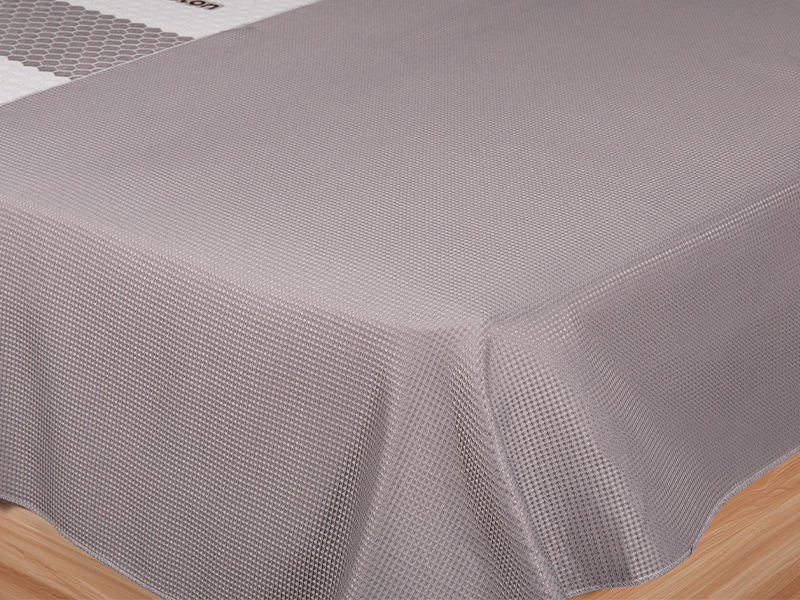
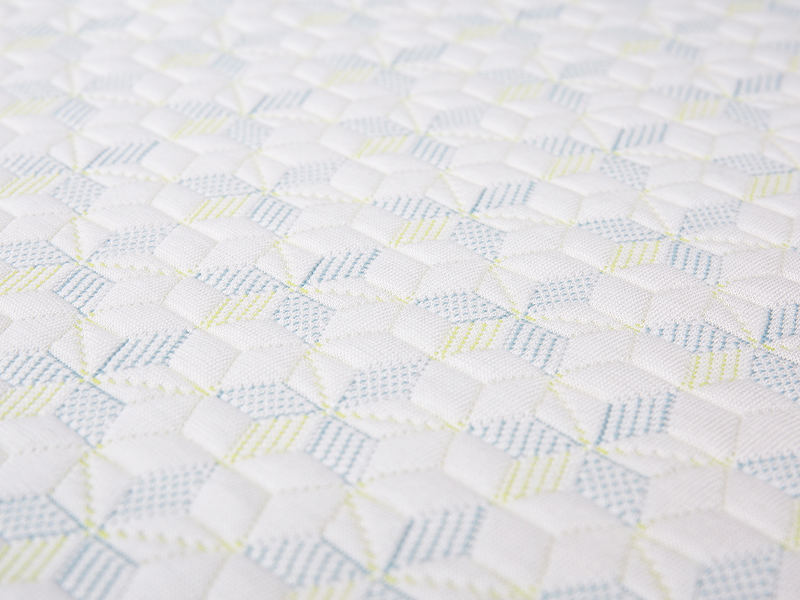 Custom ODM/OEM Cotton mattress fabric Manufacturers, FactoryHangzhou Xiaoshan RongLi Clothing Co., Ltd. Is China ODM/OEM Cotton mattress fabric Manufacturers and Factory, We Offer Custom Cotton mat...View Product →
Cotton is not always the right answer by itself. For hot-sleep positioning, a hybrid structure that combines cotton with synthetic cooling fibres is a common route; evaluating cooling mattress fabric options early in development avoids a costly switch after sampling has started.
Quality Tests and Common Cotton Mattress Fabric Defects
The fastest way to judge an OEM cotton mattress fabric supplier is to ask which tests are performed, which equipment is used, and which acceptance levels are applied. The answer should be specific, not a brochure sentence.
Test Results Worth Reading Before Bulk Production
- Pilling resistance: normally tested by abrasion cycles; Grade 3–4 on a 1–5 scale is a practical minimum for mattress surfaces.
- Dimensional stability: shrinkage above 3% will create wrinkles or misalignment in quilted or fitted covers.
- Colour fastness to light and rubbing: critically important for printed or dyed cotton surfaces that will be exposed to body oils and cleaning routines.
- Tensile and tear strength: the fabric must survive tension on automated quilting lines without edge tearing or distortion.
Defects That Are Too Often Missed
- Fabric bowing or skewing, where the pattern or the weft is not perpendicular to the selvedge.
- Shade variation between rolls in the same production batch.
- GSM variation from the start of the roll to the core, which changes the feel after quilting.
- Creases or rope marks that reappear during quilting even if the surface looks flat at inspection.
For infant and toddler lines, the quality criteria are not the same as for adult beds. Hygiene, washability, and low chemical residues usually become primary requirements; that is why many buyers turn to washable and hygienic baby mattress fabric constructions rather than adapting a general-purpose adult fabric.
Certification and Compliance for Cotton Mattress Fabrics
Certification is not a decoration on a website. It is the buyer’s proof that the production route will match the required legal and brand standards. In cotton mattress fabric, three systems matter most.
- OEKO-TEX Standard 100: screens for harmful substances in the final fabric and is widely recognised in bedding and children’s product markets.
- EU REACH: sets chemical limits that affect dyeing, finishing, and auxiliary agents across the supply chain.
- ISO 9001: covers the factory’s quality management system and batch-to-batch consistency rather than the material itself.
Cotton carries an extra compliance dimension because pesticide residues and processing chemicals can remain in the fibre. A supplier who can document these steps gives the mattress brand a serious advantage at retail level. For a practical review of the current standards, it is worth reading the latest OEKO-TEX cotton mattress fabric requirements before drawing up an enquiry list.
When the marketing claim depends on a naturally grown fibre, buyers usually move to certified organic cotton. The chain from field to fabric must be traceable and supported by the right documents. That scenario is covered in our organic cotton mattress fabric supply, which is built around documentation as much as material quality.
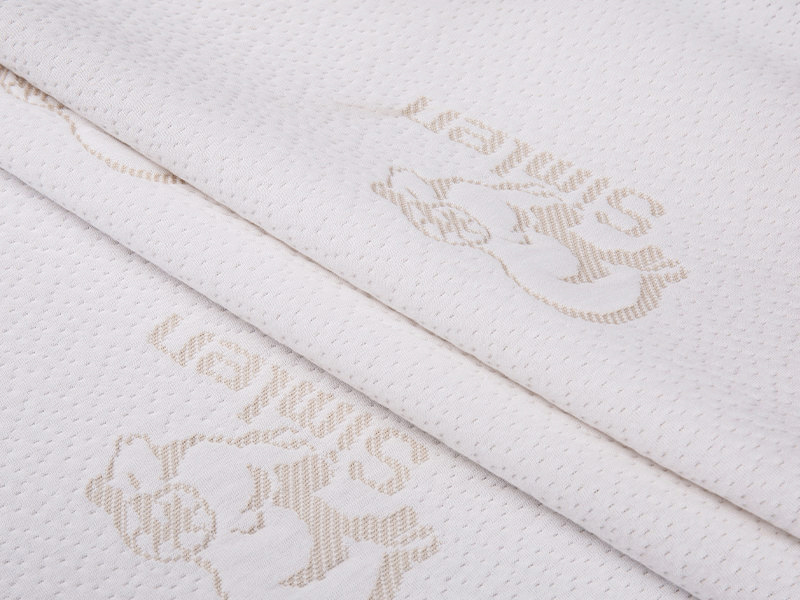
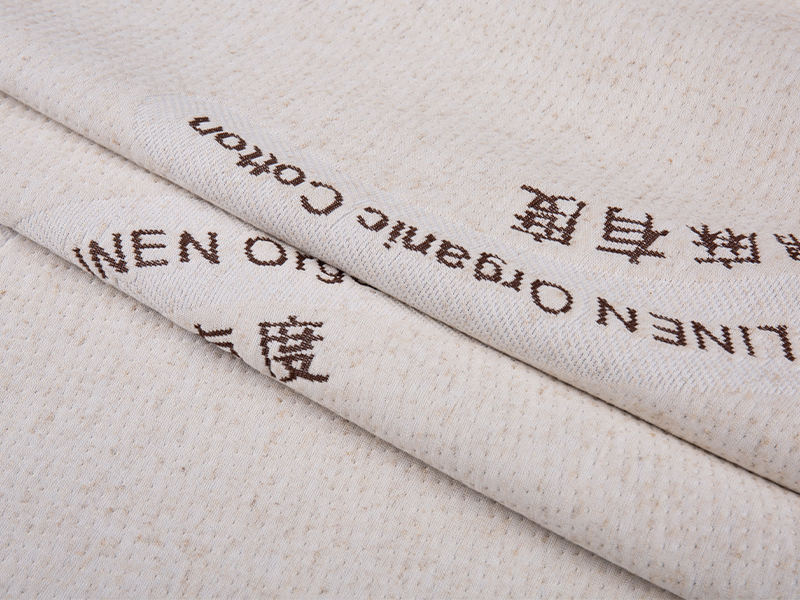 Custom ODM/OEM Organic cotton mattress fabric Manufacturers, FactoryHangzhou Xiaoshan RongLi Clothing Co., Ltd. Is China ODM/OEM Organic cotton mattress fabric Manufacturers and Factory, We Offer Custom Or...View Product →
How to Choose an OEM Cotton Mattress Fabric Supplier
Selecting a supplier is more reliable when you audit specific capabilities instead of looking only at sample aesthetics.
- Request a technical datasheet with every sample. It should include GSM, fabric width, yarn count, construction, finish recipe, and the relevant test reports.
- Confirm the sampling cycle. The supplier should offer one round of pre-production samples plus a full-scale strike-off before bulk.
- Verify repeatability. Ask for production reference rolls and, if possible, inspect two rolls with the same article number to compare shade and handle.
- Check how finishing is controlled. Watch for differences between laboratory samples, pilot rolls, and bulk production.
- Clarify lead time, minimum order quantity, and whether the supplier can hold committed inventory for tight delivery schedules.
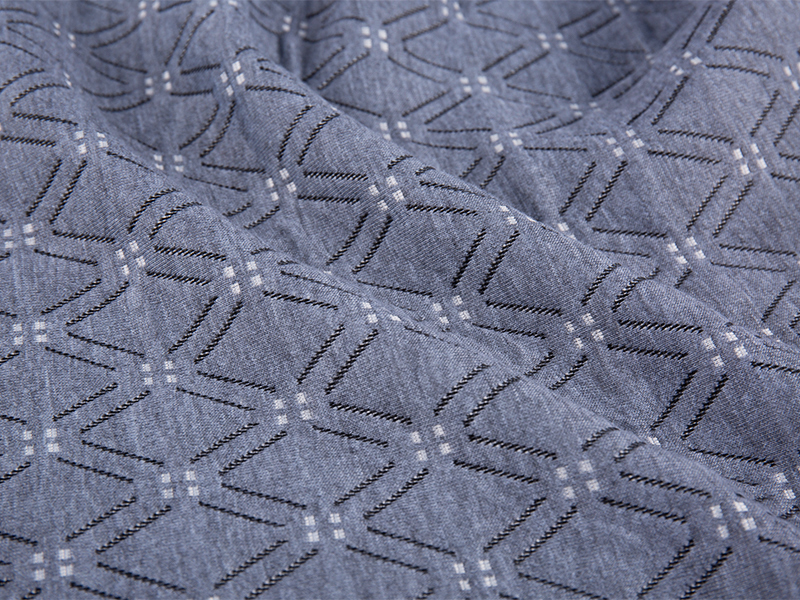
If the design brief includes a decorative woven pattern, jacquard is often the most reliable structure because the pattern is locked inside the yarn interlacing rather than printed on the surface. For OEM volume, the production route can be shortened when the mill already operates a dedicated jacquard mattress fabric line with proven repeatability.
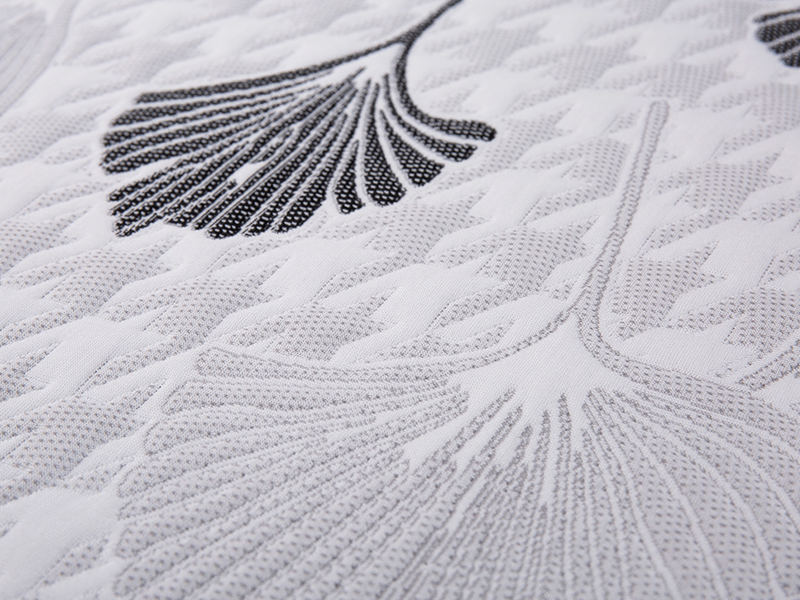 Custom ODM/OEM Jacquard mattress fabric Manufacturers, FactoryHangzhou Xiaoshan RongLi Clothing Co., Ltd. Is China ODM/OEM Jacquard mattress fabric Manufacturers and Factory, We Offer Custom Jacquard...View Product →
Final advice: cotton mattress fabric is not a commodity to buy by price alone. The yarn grade, construction, finish, and compliance evidence determine whether the mattress delivers the expected comfort level in the showroom and holds up over years in the home. Define the specification, verify the process, and treat certifications as documentation rather than decoration.