 English
 русский
 Español
 中文简体
中文简体
Article Directory
- 1 Why "Reliable" Is Hard to Verify From a Website or Brochure
- 2 Start With Certifications That Reduce Compliance Risk
- 3 Check the Physical Specifications That Affect Finished Bedding
- 4 Sample Review: Where Most Suppliers Win or Lose Trust
- 5 Confirm Capacity, Lead Time, and the Commitment Behind the Quotation
- 6 A Practical Way to Evaluate a New Cotton Mattress Fabric Manufacturer
In 2023, a mattress factory in Vietnam approved a cotton ticking sample from a new supplier, signed a contract for 8,000 meters, and received a batch that was 35 g/m² lighter than the approved sample. The fabric also shrank beyond the agreed 3% limit during the first production run. The line had to be re-cut, the order was delayed by three weeks, and the buyer absorbed the cost difference. This kind of failure rarely happens because a manufacturer cannot produce cotton mattress fabric. It happens because nobody verified whether the manufacturer could hold specifications consistently across a bulk order.
That is the core question behind "reliable" when sourcing cotton mattress fabric. A reliable manufacturer is not the one with the most attractive sample or the lowest quote. It is the one whose production process, quality control, and documentation can be checked, measured, and confirmed before you commit a large order. The reliable supplier also owns the capabilities that reduce your risk: stable raw material sourcing, calibrated looms or knitting machines, clear spec sheets, in-house inspection, and the willingness to put commitments in writing.
The practical way to evaluate a cotton mattress fabric manufacturer is to follow four steps: verify certifications, check physical specifications, inspect how samples are made, and confirm production capacity. Each step removes a different kind of risk.
Why "Reliable" Is Hard to Verify From a Website or Brochure
A manufacturer's website can show clean workshops, imported looms, and a long product list. What it cannot show is whether the fabric coming off those looms next month will match the fabric you approved last week. Cotton mattress fabric is especially sensitive to inconsistency because cotton is a natural fiber. Yarn count, staple length, weaving or knitting tension, dye bath temperature, and finishing compounds all affect the final product. A small change in any variable can shift the GSM, the hand feel, the shrinkage rate, or the color.
Therefore, reliability in cotton mattress fabric manufacturing is not a marketing attribute. It is an operational outcome. A reliable manufacturer controls the variables through documented processes, calibrated equipment, regular testing, and clear communication about what they can and cannot guarantee.
Start With Certifications That Reduce Compliance Risk
The first screen should be objective and documented. Certifications tell you which standards a manufacturer has already been audited against. For cotton mattress fabric sold into bedding and furniture supply chains, three certifications matter most:
- Oeko-Tex Standard 100 – verifies that the finished fabric does not contain harmful levels of regulated substances. This is a product-level certification and directly relevant to fabric that will sit close to the skin.
- EU REACH compliance – confirms that chemicals used in production meet European chemical safety requirements. This is increasingly important for manufacturers exporting to Europe or selling to brand owners who do.
- ISO 9001 – a quality management system certification. It indicates that the factory has documented procedures for production, inspection, and corrective action.
Ask for the actual certificates, not just a mention on the website. A reliable manufacturer will share the certificate number, the issuing body, and the scope of certification. You can then verify the validity and check whether the certified scope includes the specific fabric you intend to buy.
If you are sourcing for a brand that targets organic claims, you should also ask whether the manufacturer offers an organic cotton line with independently verified fiber origin. Many factories list "organic cotton" in their product catalog, but fewer can show the chain-of-custody documentation. For this reason, it is worth comparing the organic cotton mattress fabric options from a manufacturer against the certifications they can present. The same logic applies to the Oeko-Tex requirements for cotton mattress fabric, which are updated periodically and worth reviewing before you finalize a specification.
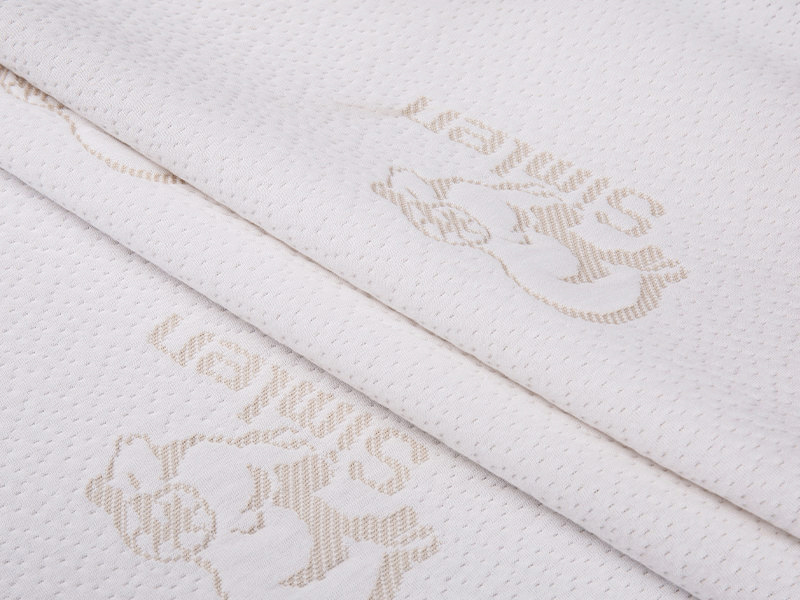
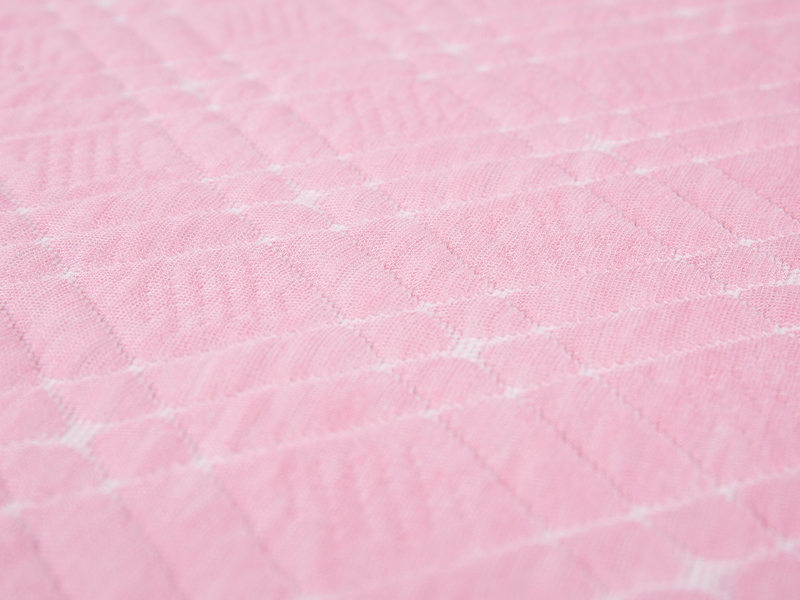
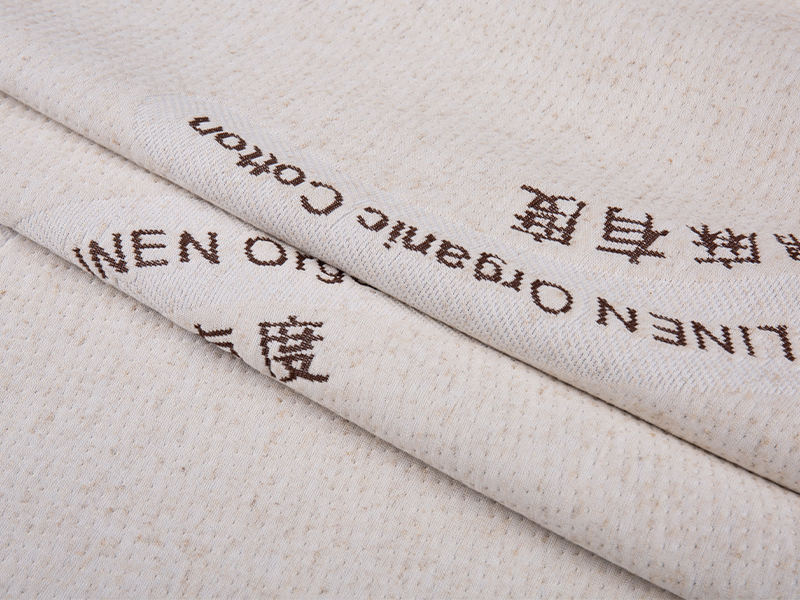 Custom ODM/OEM Organic cotton mattress fabric Manufacturers, FactoryHangzhou Xiaoshan RongLi Clothing Co., Ltd. Is China ODM/OEM Organic cotton mattress fabric Manufacturers and Factory, We Offer Custom Or...View Product →
Mill vs. Trading Company: Know Who You Are Actually Dealing With
Reliability also depends on whether you are dealing with the factory that produces the fabric or a trading company that resells it. A direct manufacturer can control yarn sourcing, knitting or weaving parameters, finishing formulas, and inspection. A trading company can only pass along whatever information the factory gives them. That extra layer adds risk when specifications go wrong.
Ask for a clear company profile: factory address, production equipment, floor area, and which process steps are done in-house versus outsourced. A manufacturer that does its own weaving or knitting, dyeing, and finishing can give you more consistent answers about process control.
Check the Physical Specifications That Affect Finished Bedding
Certifications tell you a manufacturer has passed certain audits. They do not tell you whether the fabric will perform in your mattress production line. That requires looking at concrete specifications. When comparing cotton mattress fabric suppliers, the following metrics should be on your checklist:
| Specification | What to Check | Why It Matters |
|---|---|---|
| GSM (grams per square meter) | Typically 180–300 g/m² for mattress ticking; heavier for quilted or upholstered products | Determines thickness, hand feel, and whether the fabric will match your product weight assumptions |
| Yarn count | Combed cotton, often 40S or 60S for mattress applications | Lower yarn count can feel coarse; higher count improves touch but may affect durability if not constructed well |
| Shrinkage | Usually ≤3–5% in washing, depending on finishing | Excess shrinkage causes the mattress cover to pull out of shape after the first wash or humid exposure |
| Pilling rating | Typically ≥4 on the Martindale scale after testing | Pilling ruins the surface appearance and reduces perceived quality |
| Color fastness | Grades for rubbing, perspiration, and light exposure | Poor fastness leads to dye transfer, faded appearance, and customer complaints |
A reliable manufacturer should be able to provide these values in writing, along with the test method used. If a supplier cannot specify shrinkage or pilling resistance, they have not measured it. You will then bear the risk of discovering those failures only after production.
The relationship between yarn quality, thread count, and durability is one of the most common sources of misunderstanding in cotton mattress fabric procurement. If you want to avoid approving a sample that looks great but fails in bulk, read how thread count and yarn quality affect cotton mattress fabric durability. This also helps you ask the right questions during the RFQ stage.
For most spring mattresses and foam mattress applications, a mid-weight cotton fabric in the 200–260 g/m² range provides a reasonable balance of comfort, dimensional stability, and production efficiency. If the manufacturer's range fits your target, review the available cotton mattress fabric options to see what construction styles they can actually produce.
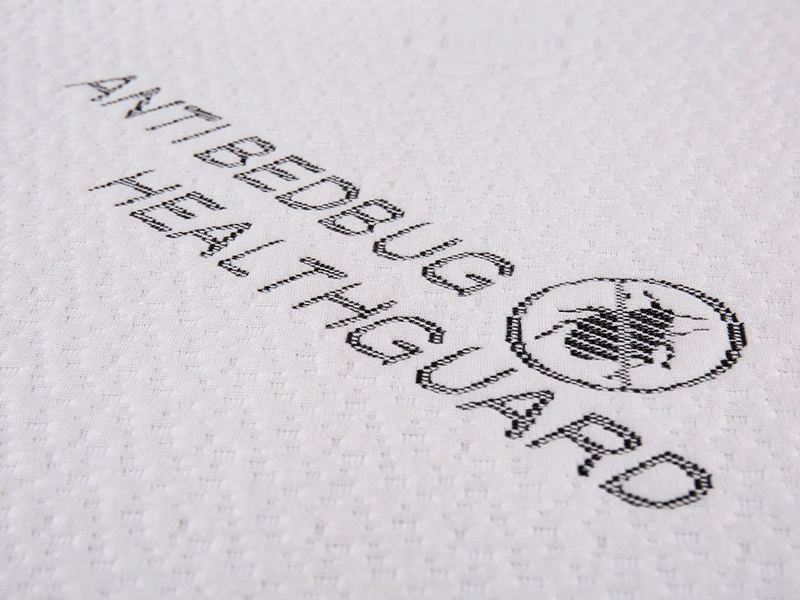
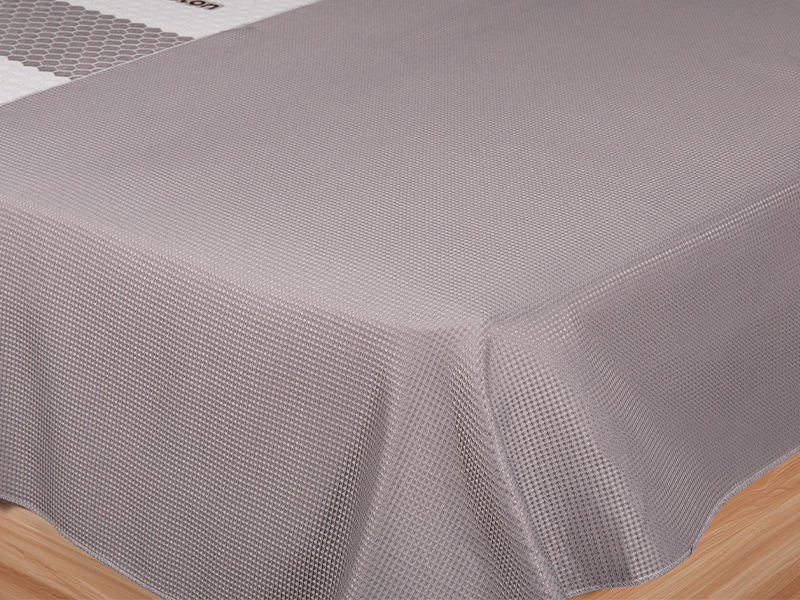
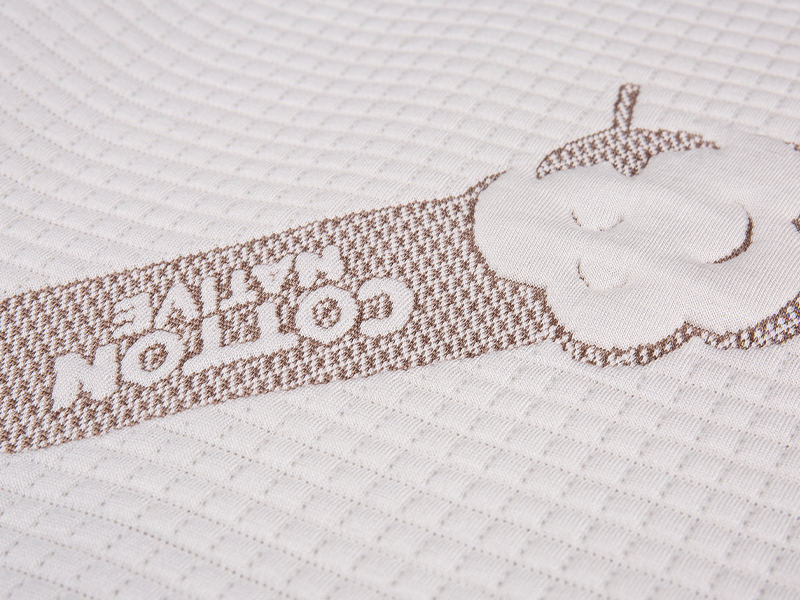
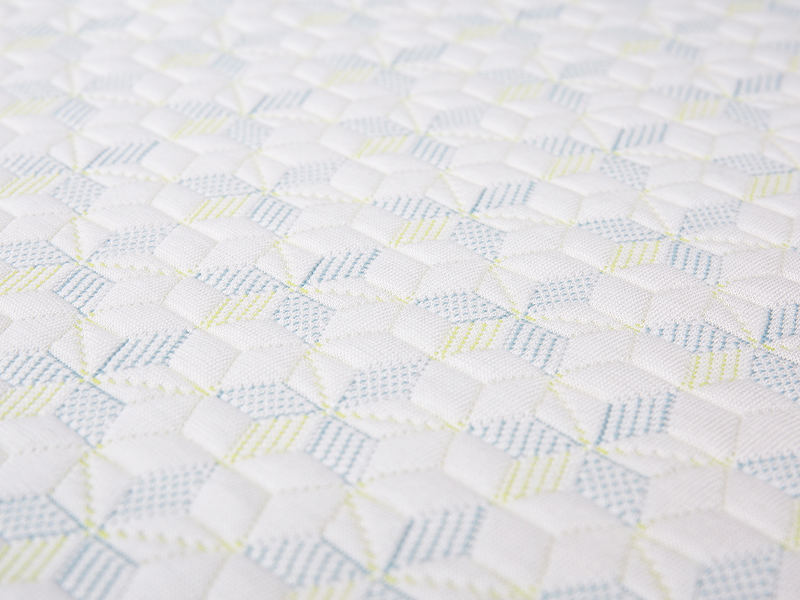 Custom ODM/OEM Cotton mattress fabric Manufacturers, FactoryHangzhou Xiaoshan RongLi Clothing Co., Ltd. Is China ODM/OEM Cotton mattress fabric Manufacturers and Factory, We Offer Custom Cotton mat...View Product →
Knitted vs. Woven Cotton: The Construction Choice
Cotton mattress fabric is made in two fundamental constructions, and the choice affects both performance and supplier capability:
Knitted cotton fabric offers stretch, softness, and a close fit around foam layers. It is commonly used for mattress covers on foam and hybrid mattresses. It is easier to get a smooth, envelope-style fit, but the supplier must control loop structure carefully to avoid distortion.
Woven cotton fabric is firmer, more dimensionally stable, and more resistant to stretching out of shape. It is often used in mattress ticking, quilted panels, and products where a crisp, structured surface is desired. Woven constructions also take decorative jacquard patterns well, which is relevant if you are selecting a patterned outer layer. Comparing a jacquard mattress fabric against a plain knitted option can clarify which aesthetic and performance trade-off you want for your product line.
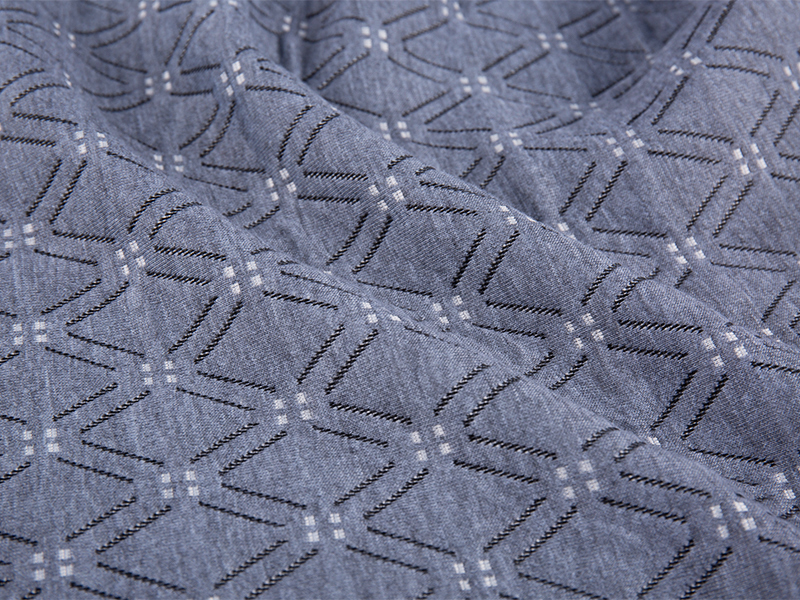
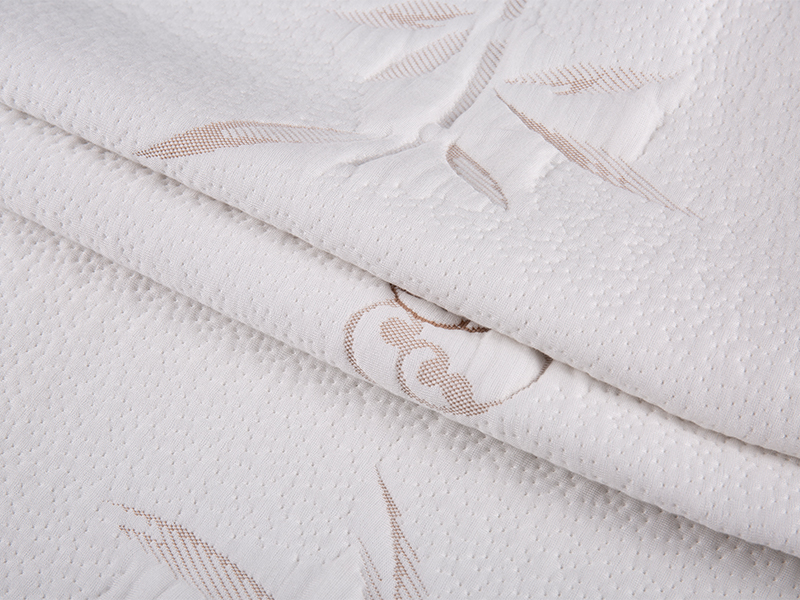
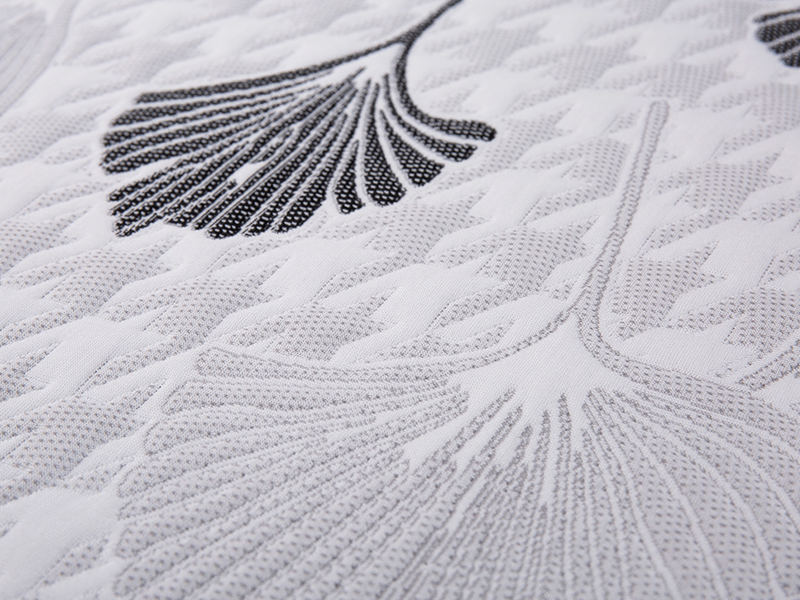 Custom ODM/OEM Jacquard mattress fabric Manufacturers, FactoryHangzhou Xiaoshan RongLi Clothing Co., Ltd. Is China ODM/OEM Jacquard mattress fabric Manufacturers and Factory, We Offer Custom Jacquard...View Product →
Sample Review: Where Most Suppliers Win or Lose Trust
The sample is the only physical evidence you will get before committing to a bulk order. A reliable cotton mattress fabric manufacturer treats sample approval as a technical exercise, not a sales exercise. That means they will document the sample's specifications, describe the production parameters, and tell you what could change in mass production.
When reviewing samples, do not just look at the surface. Measure the GSM yourself. Check the shrinkage by washing a small swatch. Rub the surface to see whether fibers start pilling. Stretch it in both directions to see how much recovery it offers. These simple checks often expose differences between a sample made under controlled conditions and a fabric that a factory can reproduce consistently.
Lighting also matters. A fabric viewed under warm showroom lighting can appear completely different under daylight or retail lighting. Ask for a larger piece, not a tiny swatch, and evaluate it under multiple light sources.
What to Ask for in the Sample Phase
- A specification sheet for the sample: composition, GSM, yarn count, construction, finishing, shrinkage, color fastness.
- Photo or video documentation of the production run that made the sample.
- The expected tolerance range for the bulk order, not just the sample's measured value.
- Lead time for re-testing or adjusting the formula if the sample fails your internal check.
If a manufacturer resists providing tolerances, that is a red flag. Tolerances are not a sign of weakness; they are a sign of process awareness. A supplier who says "we will just match the sample" without explaining how is making a promise they cannot control. The supplier's commitment to process transparency is the difference between a vendor and a reliable partner.
For a deeper practical walkthrough, see how to identify cotton mattress fabric quality through fabric details before you sign off on a bulk order.
Confirm Capacity, Lead Time, and the Commitment Behind the Quotation
A manufacturer can be technically excellent but commercially unreliable if they cannot deliver on time. Before selecting a supplier, ask about production capacity, current order load, and typical lead times for both sample development and bulk production. For cotton mattress fabric, the lead time usually depends on whether the yarn and dyeing capacity are available at the time of your order. A direct manufacturer with weaving, knitting, and finishing in-house is better positioned to respond to short lead times than one that depends on external finishing partners.
Also check the MOQ policy. A supplier that offers a low MOQ may be more flexible, but ask how that affects pricing and lead time. Conversely, a supplier with a high MOQ may have stronger economies of scale but could leave you with excess inventory if your product changes. The right MOQ is the one that allows you to test the manufacturer without staking your entire production plan on an unverified relationship.
A Practical Way to Evaluate a New Cotton Mattress Fabric Manufacturer
Given the risks described above, the most reliable process for a first engagement is to use a staged commitment:
Start with a small test order
Limit the first order to a quantity you can afford to lose if it fails. Use this order to verify batch-to-batch consistency against the approved sample. Measure the GSM, shrinkage, and color fastness when the fabric arrives. If the first order passes, you gain valuable evidence that the manufacturer's process control works.
Escalate gradually based on verified results
After one or two successful small orders, you can scale up with more confidence. The manufacturer has now demonstrated consistent behavior, not just attractive promises. This approach costs a little more time upfront but avoids the far larger cost of a failed bulk shipment.
Keep documentation as your record
Store every specification sheet, test report, and email confirmation. When disputes arise months later, documentation is the only objective basis for resolution. A reliable manufacturer also keeps its own records, so you should expect their documentation to match yours.
Ultimately, choosing a reliable cotton mattress fabric manufacturer is less about finding a perfect supplier and more about verifying evidence of controllability. The certifications, the spec sheet, the sample behavior, and the trial order are all checkpoints that allow you to measure reliability instead of guessing at it. That is the difference between buying fabric from a name on a quotation and building a supply relationship you can scale.